

SHAOLIN PARTNER FORMS
Shaolin partner forms are an important training method in Shaolin Kung Fu, specifically designed for two or more practitioners to engage in simulated combat. By mimicking real combat scenarios, these forms enhance the fighting skills and responsiveness of the practitioners. Partner forms strictly follow the principle of “where there is an attack there must be a defense, and where there is defense there must be a counterattack.” Through structured practice, practitioners learn to apply these techniques flexibly and unpredictably, allowing them to master practical combat skills with the dynamic interchange of offense and defense.
SHAOLIN PARTNER FORMS
Shaolin partner forms are an important training method in Shaolin Kung Fu, specifically designed for two or more practitioners to engage in simulated combat. By mimicking real combat scenarios, these forms enhance the fighting skills and responsiveness of the practitioners. Partner forms strictly follow the principle of “where there is an attack there must be a defense, and where there is defense there must be a counterattack.” Through structured practice, practitioners learn to apply these techniques flexibly and unpredictably, allowing them to master practical combat skills with the dynamic interchange of offense and defense.
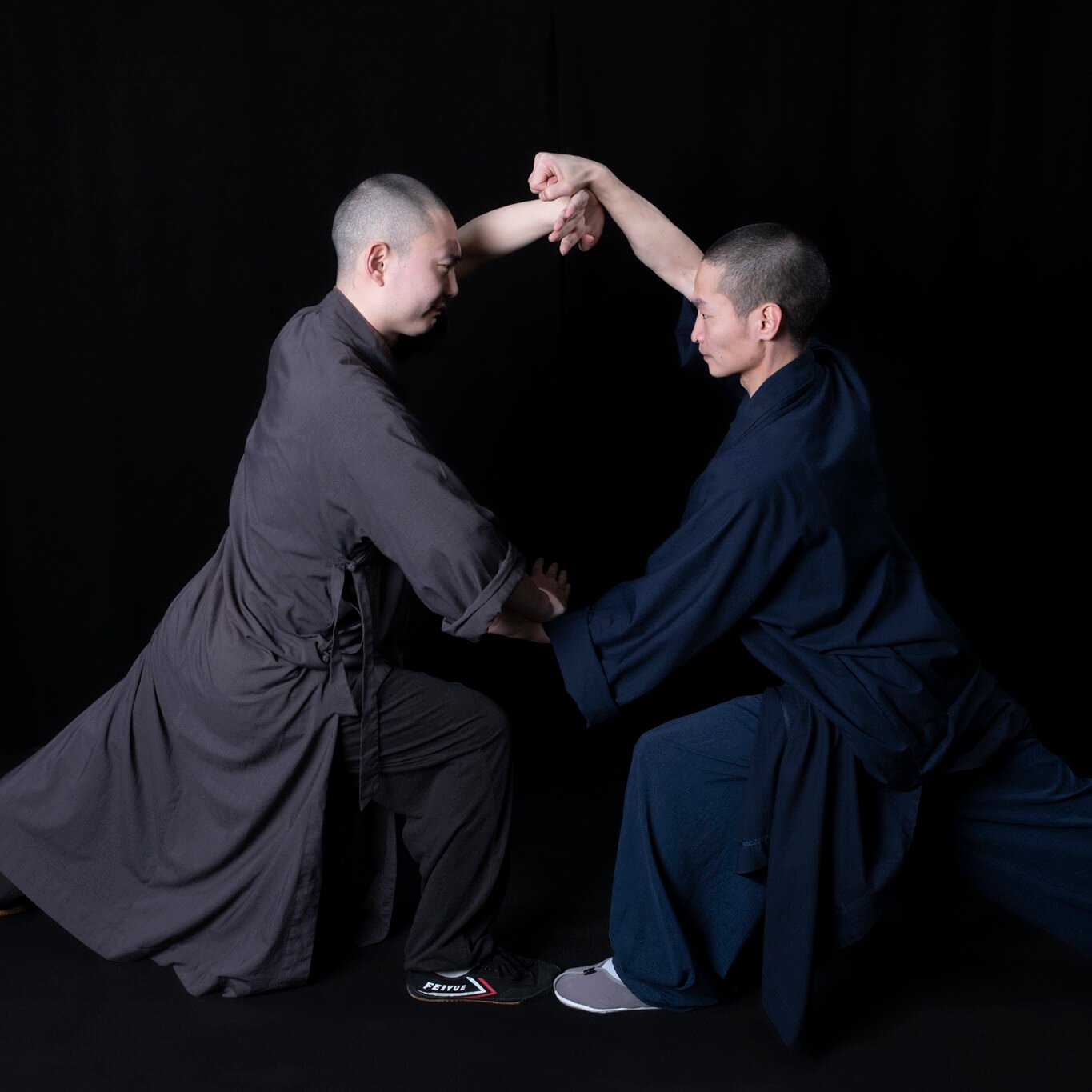
Shi San Quan
This partner form is based on the fist form Shi San Quan (see Shaolin Fist Forms) and has been developed into a two-person combat system that combines offensive and defensive techniques.
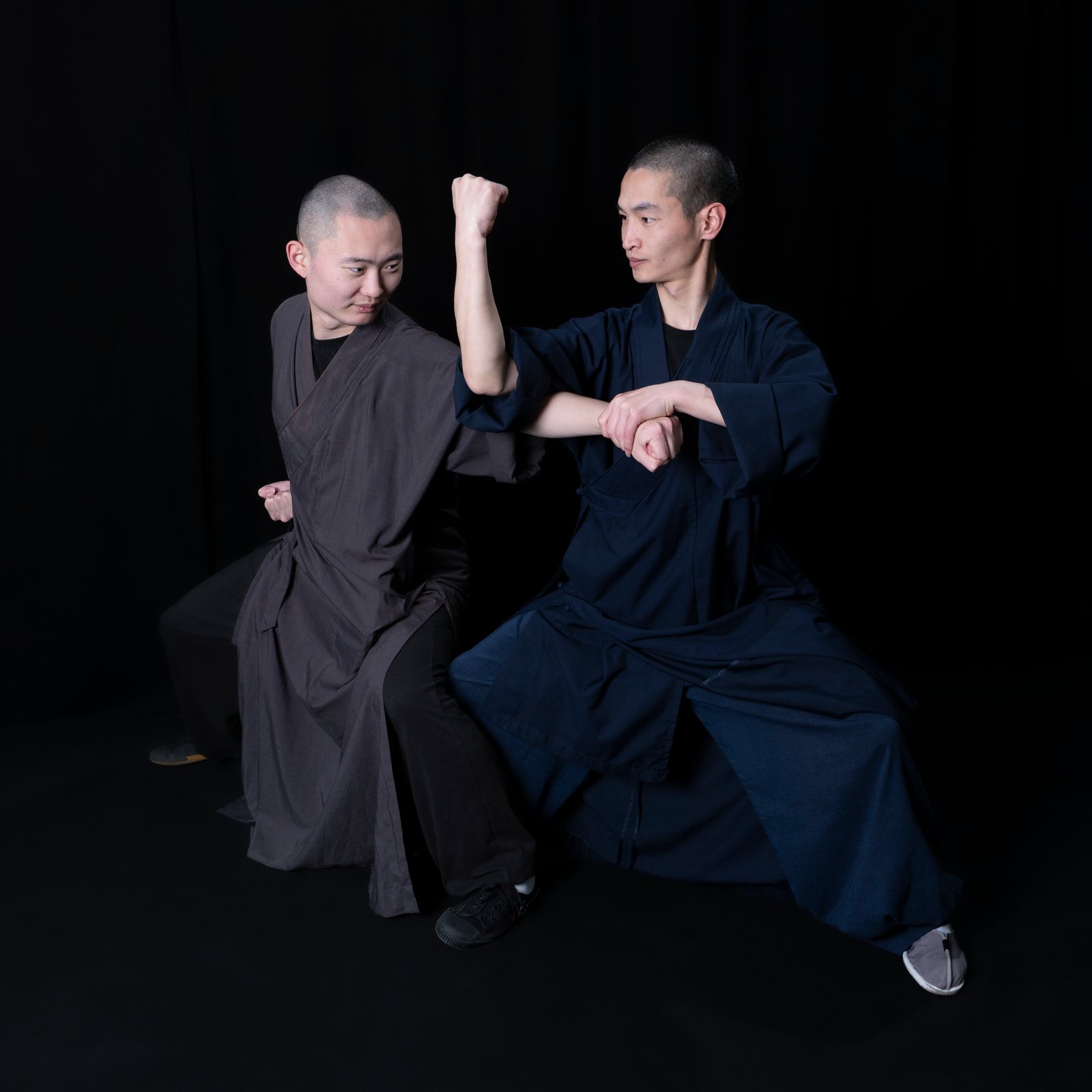
Lian Huan Quan
This partner form is based on the fist form Lian Huan Quan (see Shaolin Fist Forms) and has been developed into a two-person combat system that combines offensive and defensive techniques.
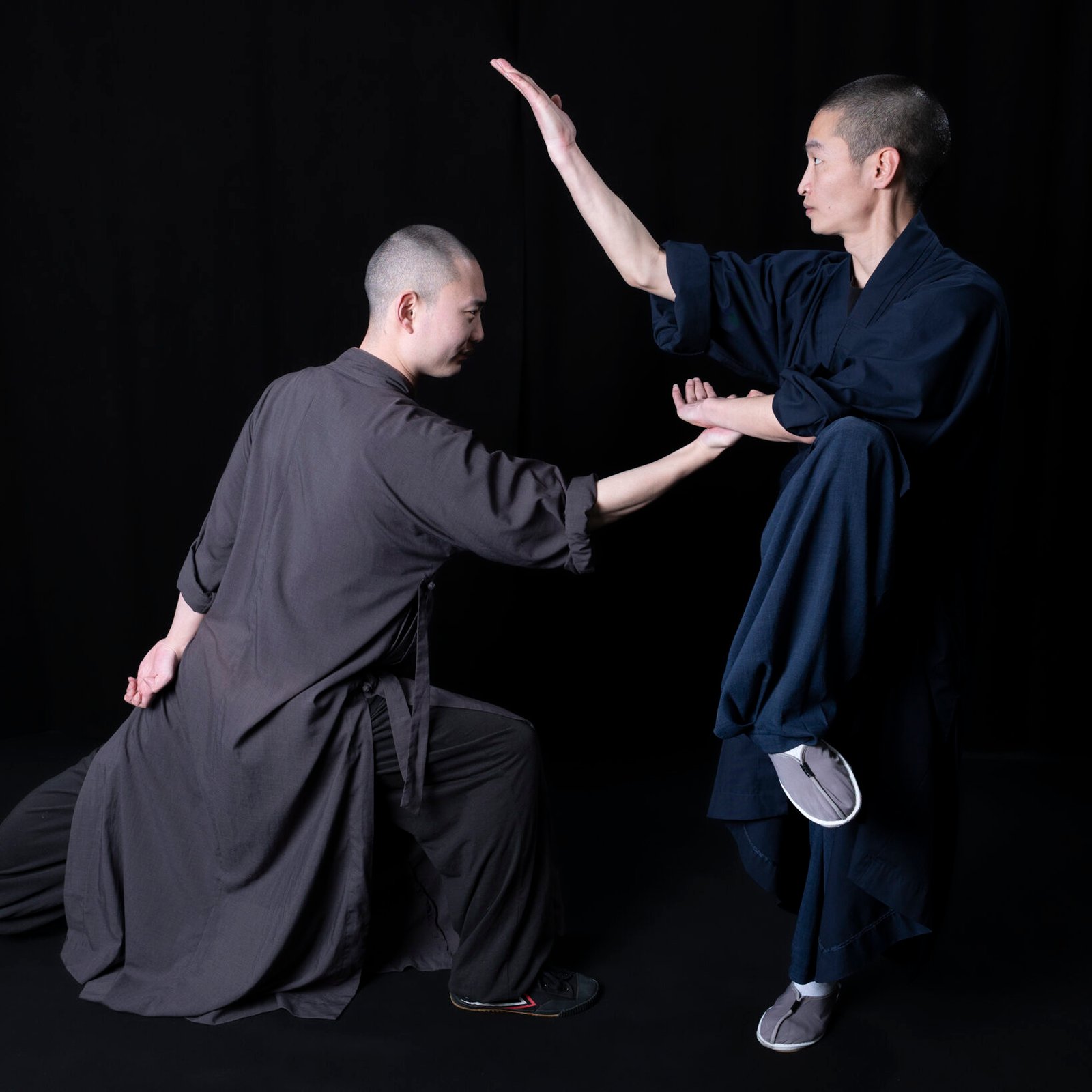
Wu Xing Quan
This partner form is based on the fist form Wu Xing Quan (see Shaolin Fist Forms) and has been developed into a two-person combat system that combines offensive and defensive techniques.
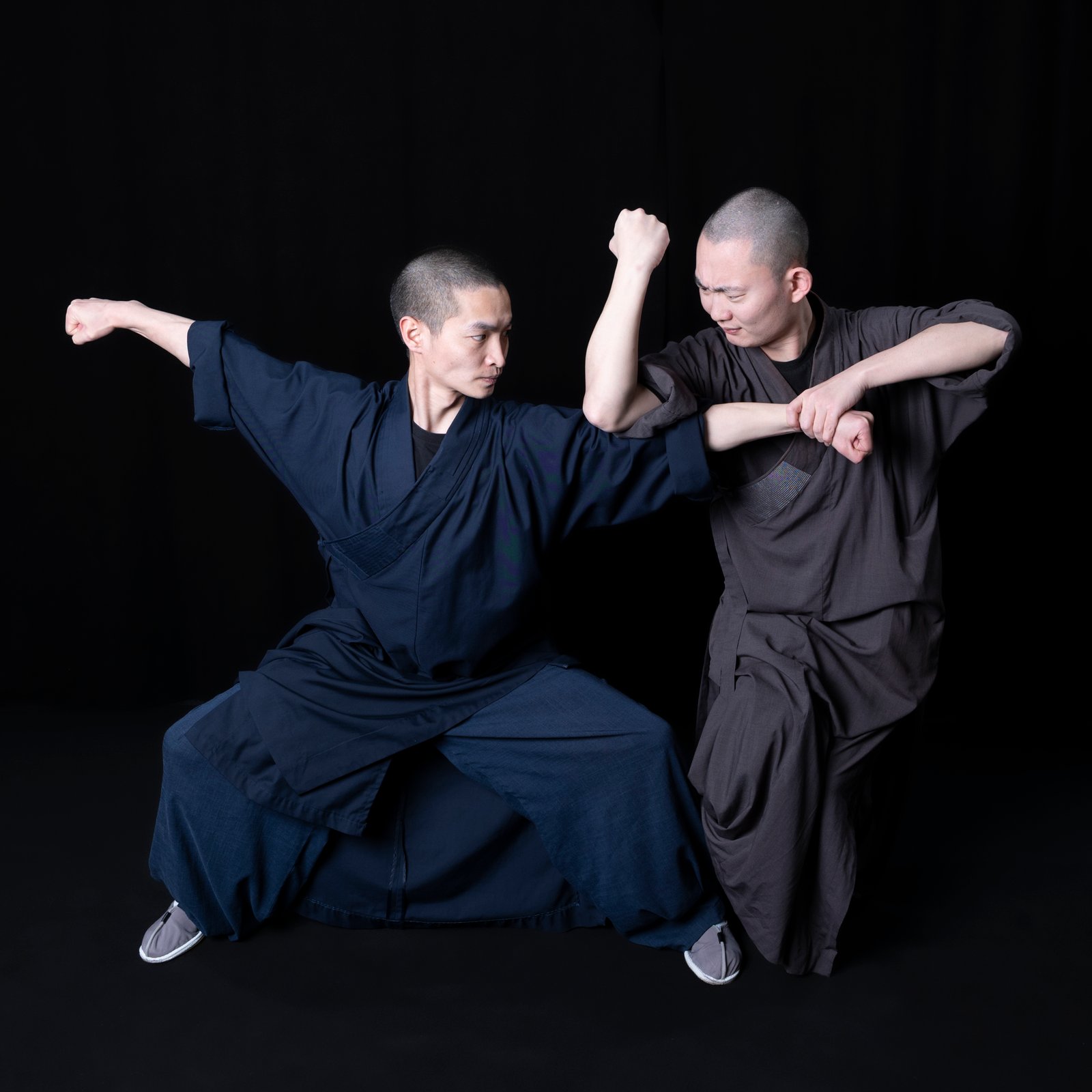
Xiao Hong Quan
This partner form is based on the fist form Xiao Hong Quan (see Shaolin Fist Forms) and has been developed into a two-person combat system that combines offensive and defensive techniques.
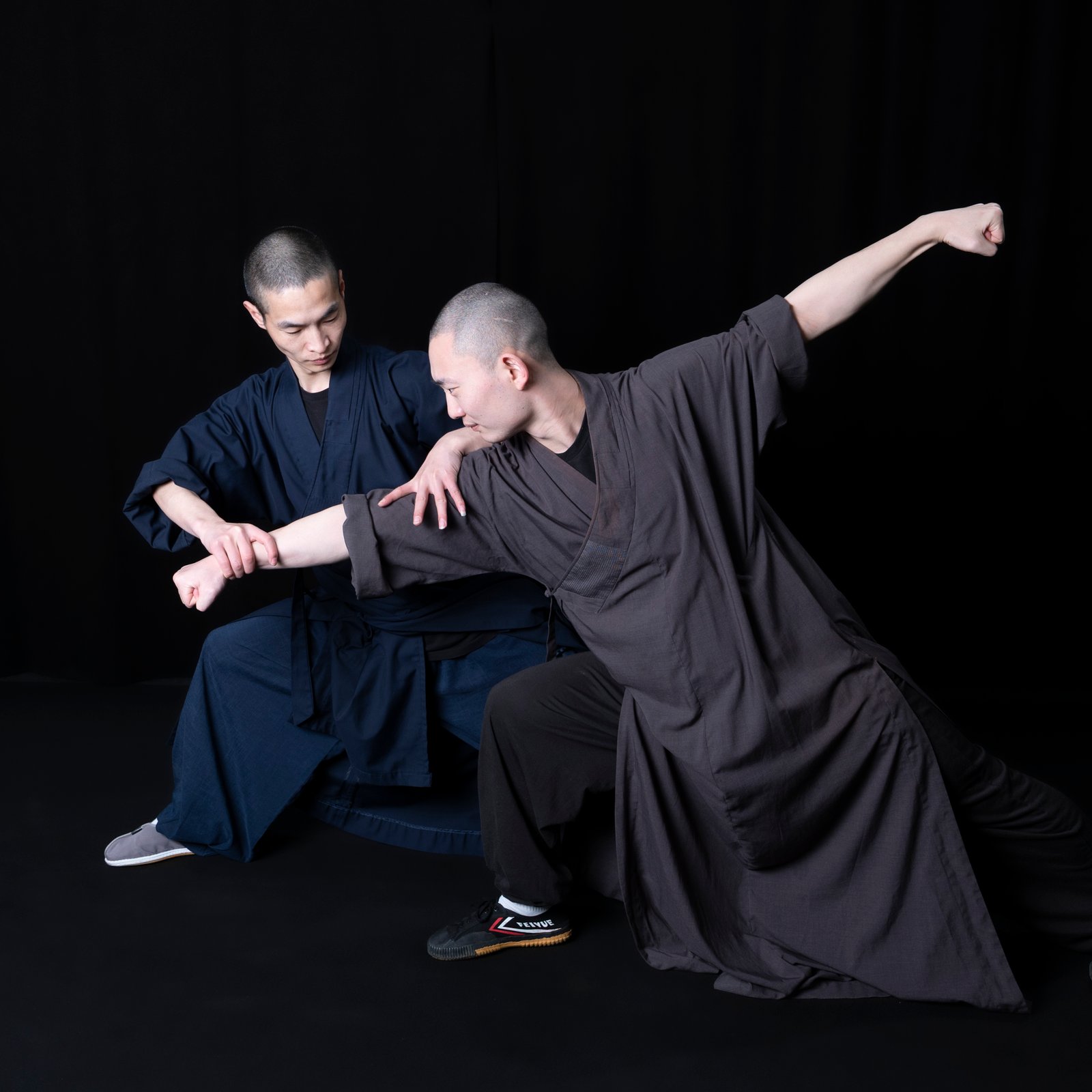
Tong Bei Quan
This partner form is based on the fist form Tong Bei Quan (see Shaolin Fist Forms) and has been developed into a two-person combat system that combines offensive and defensive techniques.
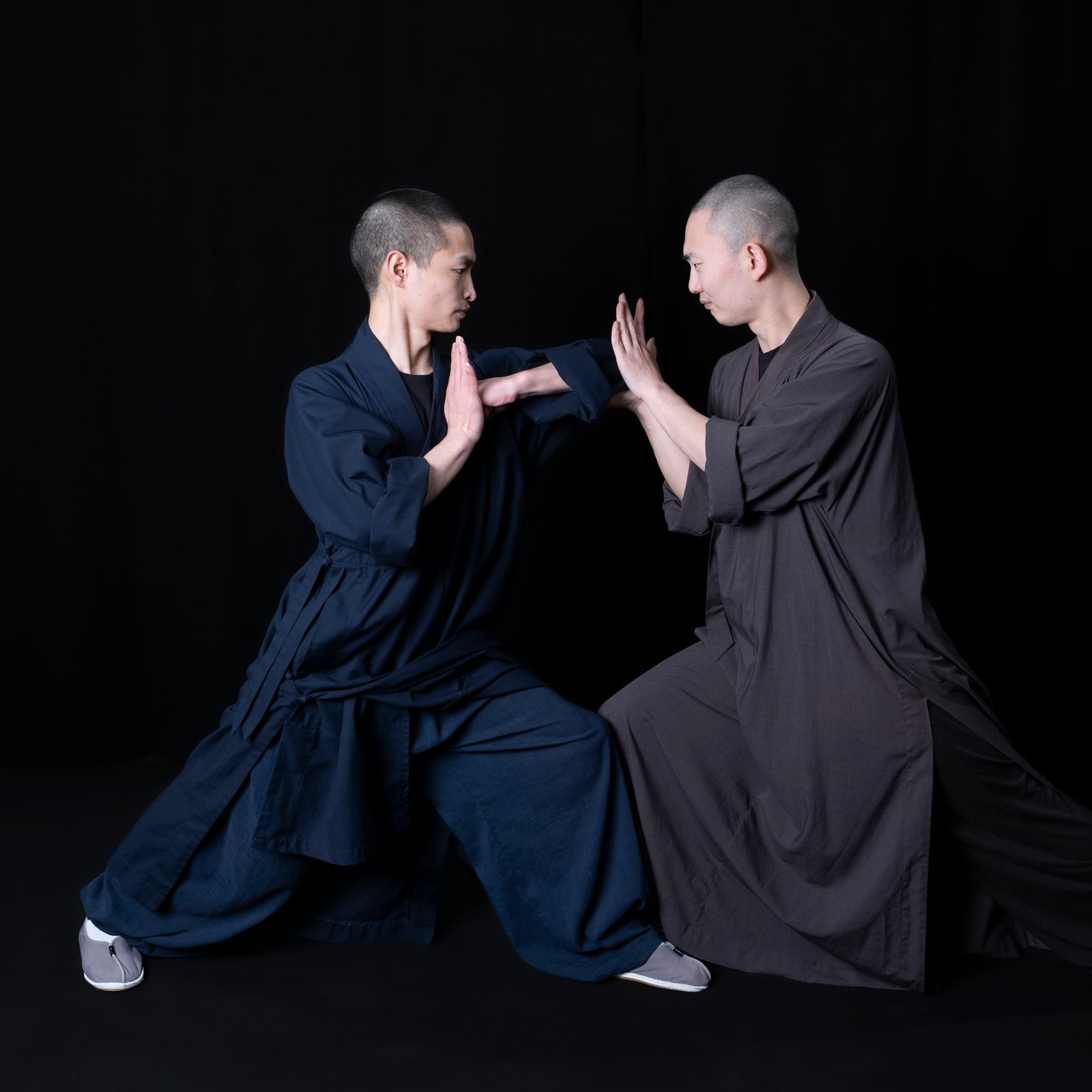
Xiao Pao Quan
This partner form is based on the fist form Xiao Pao Quan (see Shaolin Fist Forms) and has been developed into a two-person combat system that combines offensive and defensive techniques.
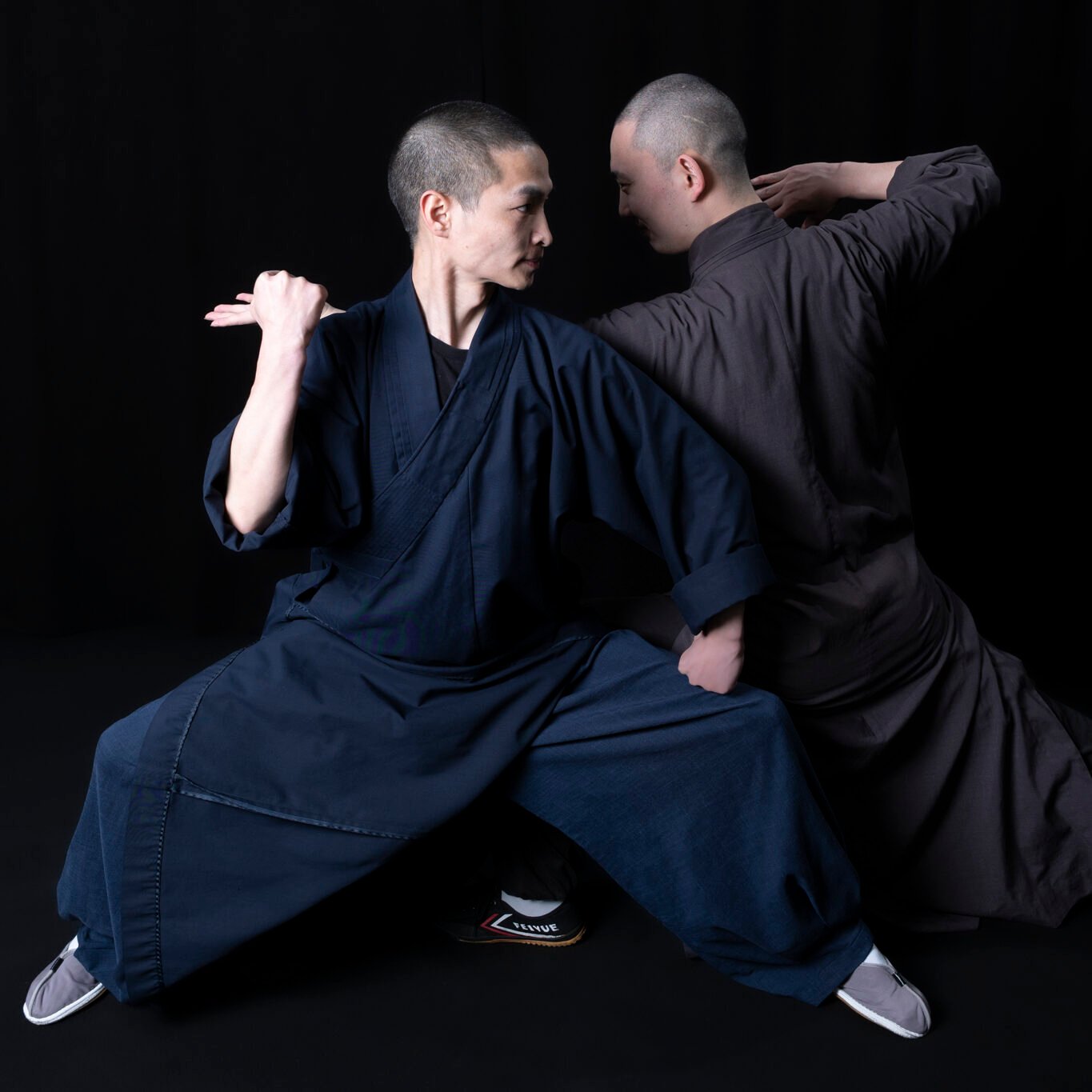
Xiao Luohan Quan
This partner form is based on the fist form Xiao Luohan Quan (see Shaolin Fist Forms) and has been developed into a two-person combat system that combines offensive and defensive techniques.
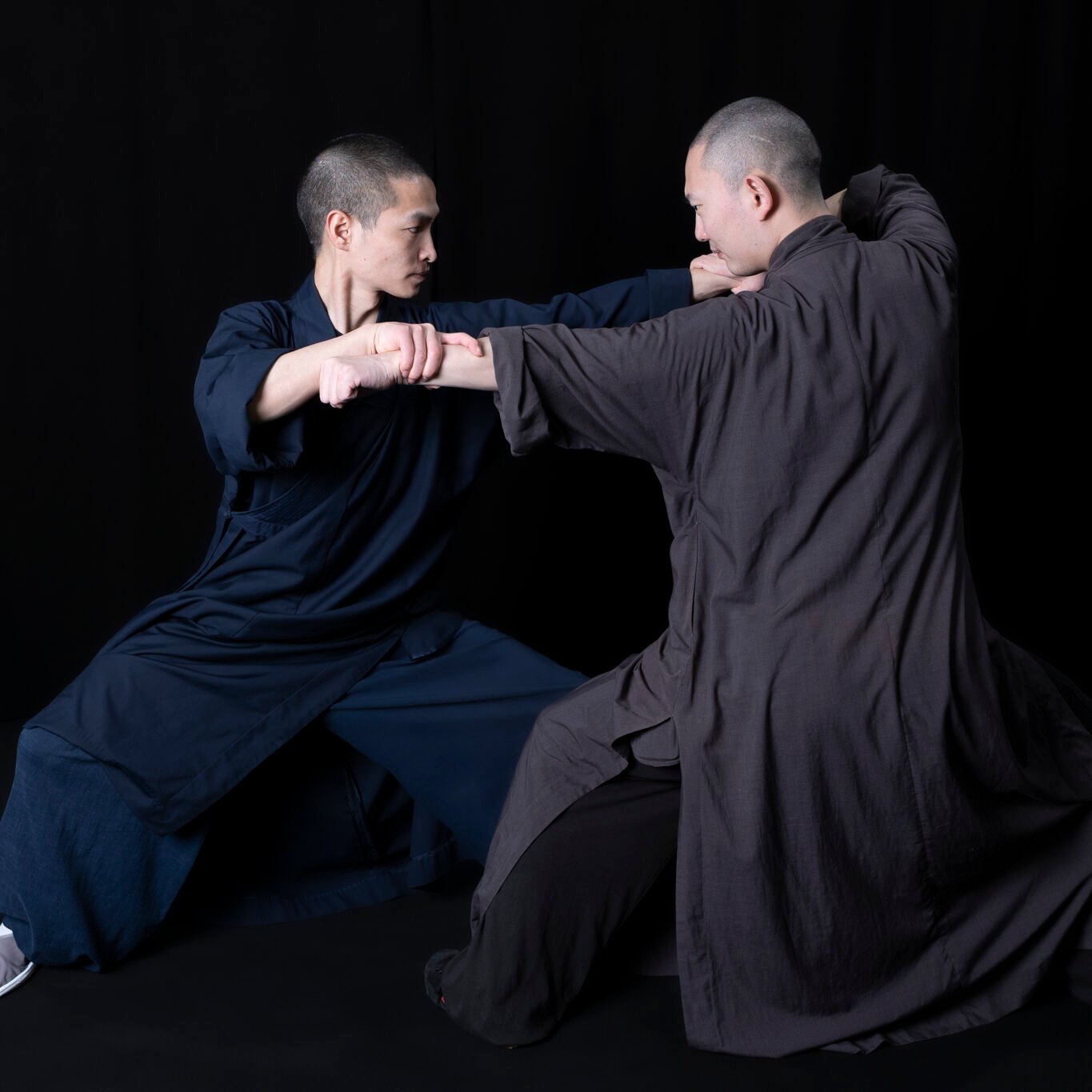
Taizu Chang Quan
This partner form is based on the fist form Taizu Chang Quan (see Shaolin Fist Forms) and has been developed into a two-person combat system that combines offensive and defensive techniques.
Chao Yang Quan
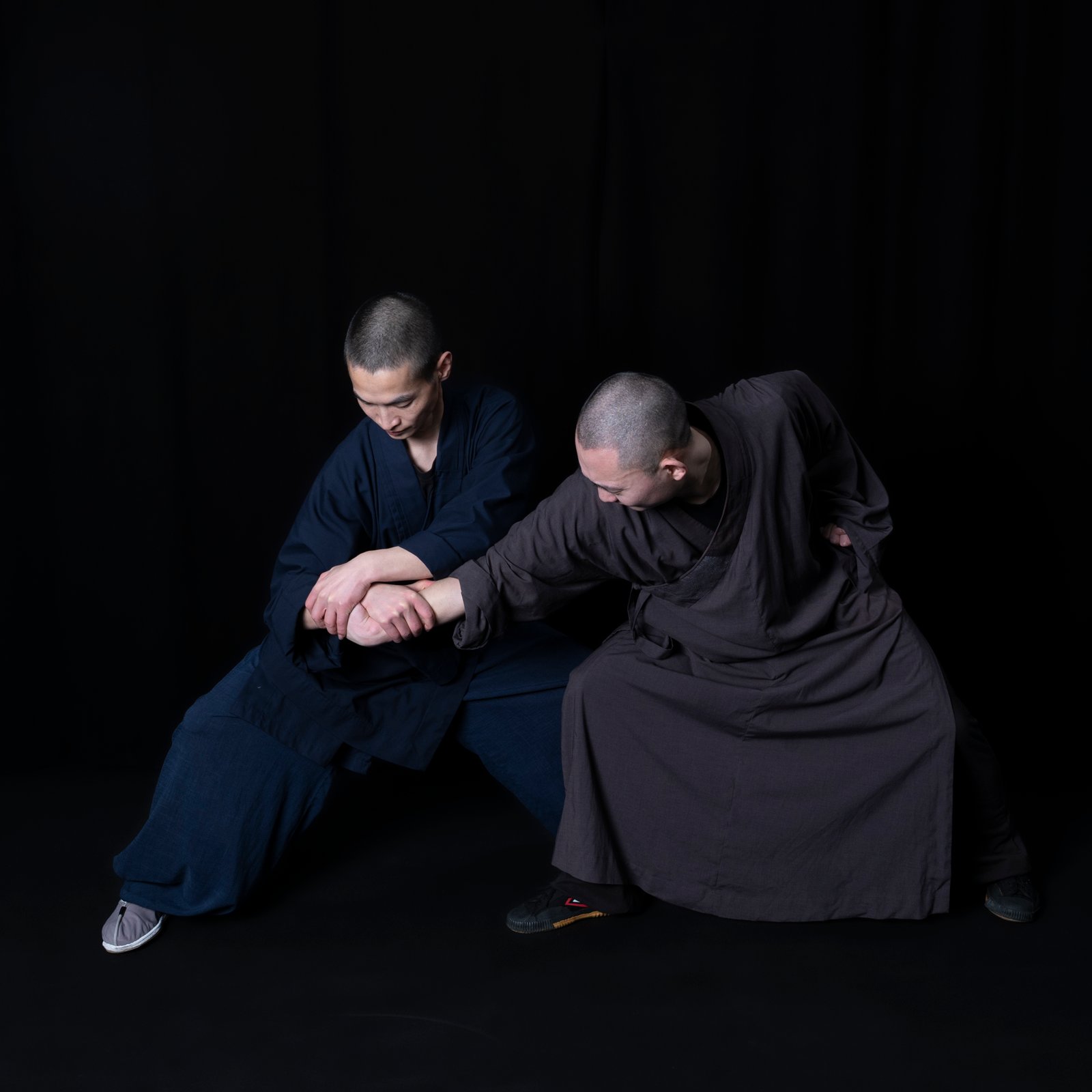
This partner form is based on the fist form Chao Yang Quan (see Shaolin Fist Forms) and has been developed into a two-person combat system that combines offensive and defensive techniques.
Liu He Dui Lian
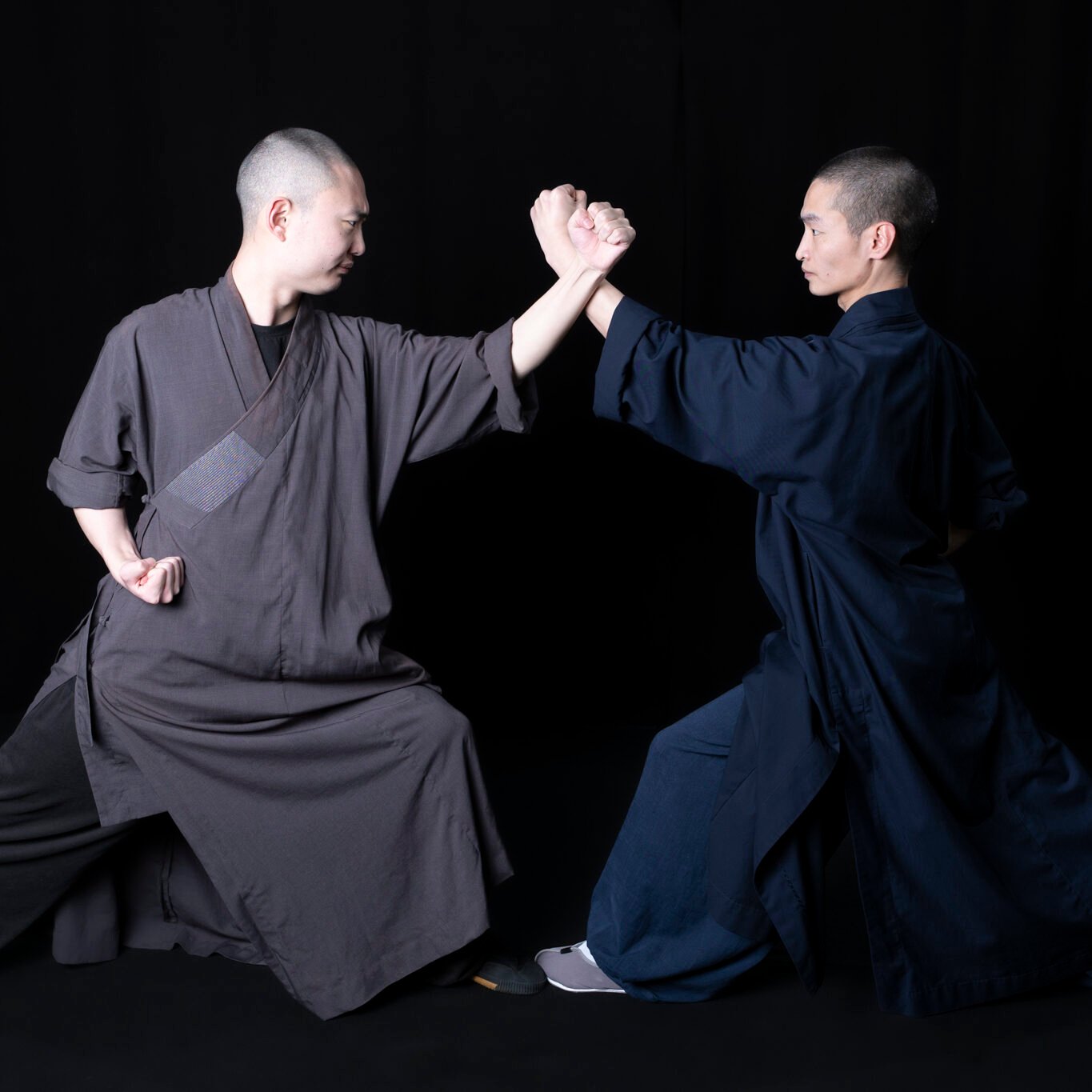
Shaolin Liu He Dui Lian (Six Harmonies Partner Training) is a traditional two-person combat training form. It is performed cooperatively by two practitioners and incorporates punch- and leg-techniques to control and resolve. Like the Liu He Quan fistform, this form strictly follows the principles of the “Six Harmonies”. However, Liu He Dui Lian does not originate in the Liu He Quan fistform, and includes different movements and sequences. The six harmonies comprise of the “three internal harmonies” (heart and mind, mind and Qi, Qi and strength) as well as the “three external harmonies” (hands and feet, elbows and knees, shoulders and hips). Liu He Dui Lian is one of the basic practical training methods which Shaolin monks have to learn.
Shi San Quan
This partner form is based on the fist form Shi San Quan (see Shaolin Fist Forms) and has been developed into a two-person combat system that combines offensive and defensive techniques.
Lian Huan Quan
This partner form is based on the fist form Lian Huan Quan (see Shaolin Fist Forms) and has been developed into a two-person combat system that combines offensive and defensive techniques.
Wu Xing Quan
This partner form is based on the fist form Wu Xing Quan (see Shaolin Fist Forms) and has been developed into a two-person combat system that combines offensive and defensive techniques.
Xiao Hong Quan
This partner form is based on the fist form Xiao Hong Quan (see Shaolin Fist Forms) and has been developed into a two-person combat system that combines offensive and defensive techniques.
Tong Bei Quan
This partner form is based on the fist form Tong Bei Quan (see Shaolin Fist Forms) and has been developed into a two-person combat system that combines offensive and defensive techniques.
Xiao Pao Quan
This partner form is based on the fist form Xiao Pao Quan (see Shaolin Fist Forms) and has been developed into a two-person combat system that combines offensive and defensive techniques.
Xiao Luohan Quan
This partner form is based on the fist form Xiao Luohan Quan (see Shaolin Fist Forms) and has been developed into a two-person combat system that combines offensive and defensive techniques.
Taizu Chang Quan
This partner form is based on the fist form Taizu Chang Quan (see Shaolin Fist Forms) and has been developed into a two-person combat system that combines offensive and defensive techniques.
Chao Yang Quan
This partner form is based on the fist form Chao Yang Quan (see Shaolin Fist Forms) and has been developed into a two-person combat system that combines offensive and defensive techniques.
Liu He Dui Lian
Shaolin Liu He Dui Lian (Six Harmonies Partner Training) is a traditional two-person combat training form. It is performed cooperatively by two practitioners and incorporates punch- and leg-techniques to control and resolve. Like the Liu He Quan fistform, this form strictly follows the principles of the “Six Harmonies”. However, Liu He Dui Lian does not originate in the Liu He Quan fistform, and includes different movements and sequences. The six harmonies comprise of the “three internal harmonies” (heart and mind, mind and Qi, Qi and strength) as well as the “three external harmonies” (hands and feet, elbows and knees, shoulders and hips). Liu He Dui Lian is one of the basic practical training methods which Shaolin monks have to learn.
Do you have questions?
If you have any questions or want to book a lesson, feel free to contact me!
Do you have questions?
If you have any questions or want to book a lesson, feel free to contact me!