
SHAOLIN ANIMAL FORMS
The Shaolin Animal Forms are a martial arts system that imitates the forms, movements, and attack methods of animals. By mimicking the footwork, claw positions, and body movements, unique offensive and defensive techniques developed. They not only strive for the external resemblance but also empahsize the spiritual resemblance requiring the practitioners to grasp the essence of the animal’s striking techniques, footwork and application of force to reach a balance between hardness and softness and to skillfully defeat the opponent.
The animal forms originated during the Tang and Song dynasties. They were created by Shaolin monks who observed the movements and fighting behaviors of animals and combined these observations with the principles of Shaolin Kung Fu. In their earliest form, they were mainly used as a means of defense against bandits attempting to raid the monastery and against wild animal attacks. Over time, the system was refined and infused with the Shaolin philosophy of harmony between Chan (Zen) and Kung Fu, giving it both practical combat value and an opportunity for body and mind cultivation.
The ten most renowned animal forms are tiger, praying mantis, dog, frog, scorpion, leopard, eagle, monkey, snake and duck.
SHAOLIN ANIMAL FORMS
The Shaolin Animal Forms are a martial arts system that imitates the forms, movements, and attack methods of animals. By mimicking the footwork, claw positions, and body movements, unique offensive and defensive techniques developed. They not only strive for the external resemblance but also empahsize the spiritual resemblance requiring the practitioners to grasp the essence of the animal’s striking techniques, footwork and application of force to reach a balance between hardness and softness and to skillfully defeat the opponent.
The animal forms originated during the Tang and Song dynasties. They were created by Shaolin monks who observed the movements and fighting behaviors of animals and combined these observations with the principles of Shaolin Kung Fu. In their earliest form, they were mainly used as a means of defense against bandits attempting to raid the monastery and against wild animal attacks. Over time, the system was refined and infused with the Shaolin philosophy of harmony between Chan (Zen) and Kung Fu, giving it both practical combat value and an opportunity for body and mind cultivation.
The ten most renowned animal forms are tiger, praying mantis, dog, frog, scorpion, leopard, eagle, monkey, snake and duck.
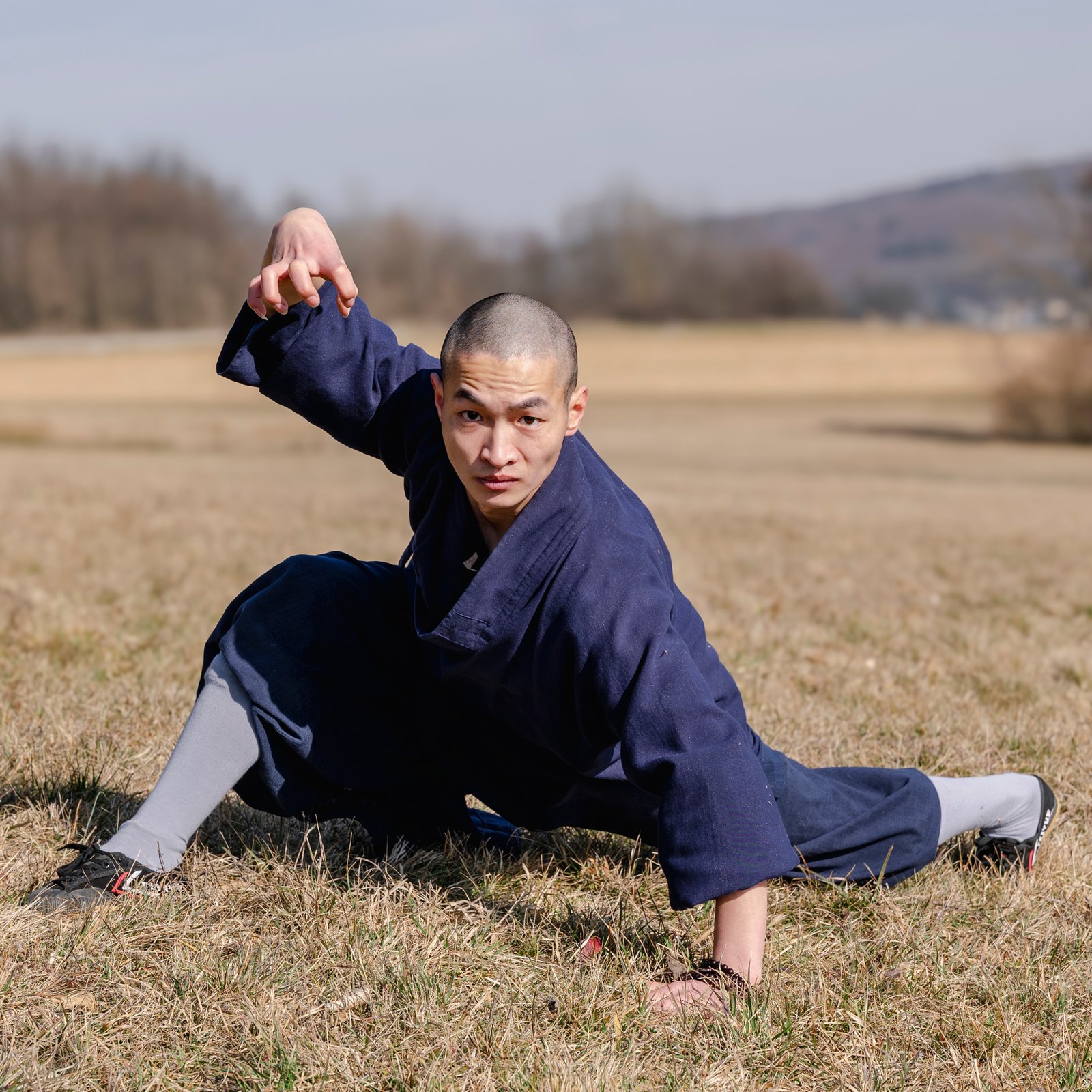
Shaolin Tiger Form
Shaolin Tiger Form is based on the wild and powerful spirit of the tiger. It emphasizes strength, calmness, and explosive force, embodying the principle of “strengthening the bones through practicing the tiger.” The Tiger Form is not only a set of fierce and fast techniques but also strengthens the muscles and bones, building physical power. Through year-long practice, practitioners develop a robust body, strong muscles and bones, and an indomitable fighting spirit.
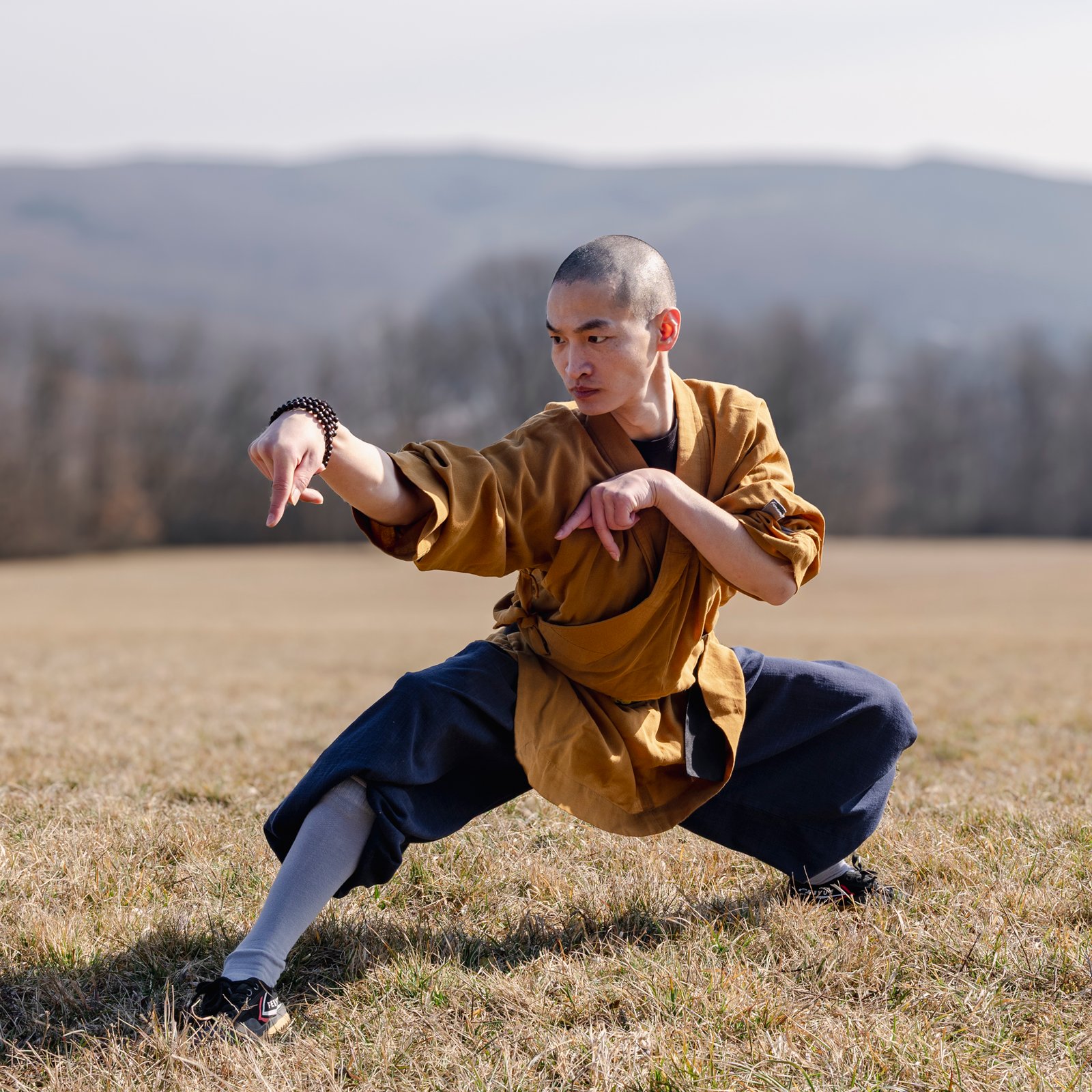
Shaolin Praying Mantis Form
The Shaolin Praying Mantis Form is based on the principle of “training skill with the mantis to employ agile and continuous strikes”. It emphasizes rapid combinations, skillful use of force, and a combination of entanglement and striking. It doesn’t block or attack, but attacks only when blocked. Its techniques are rapid and varied, employing hooking, parrying, flicking, and shaking techniques. It excels at continuous attacks, intercepting and counter-attacking, and entanglement to break through an opponent’s defense. The Praying Mantis Form is one of the most highly effective fighting styles in Shaolin Kung Fu.
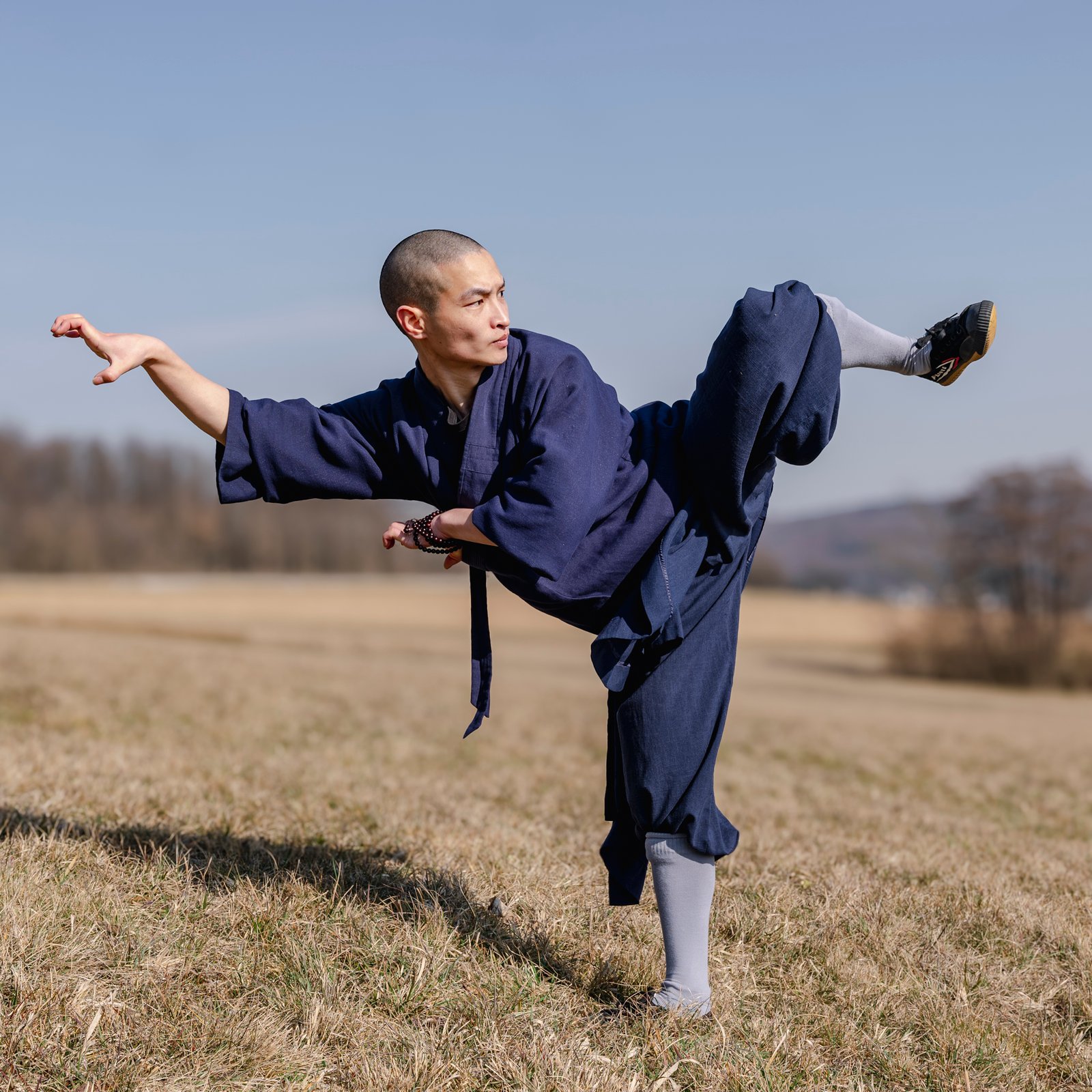
Shaolin Dog Form
The Shaolin Dog Form is centered on the principle of “training the dog to bite and to fight in close-quarters combat”. It emphasizes low-body clinching, close-range aggressive attacks, and agile rolling maneuvers. The Dog Form imitates the fighting methods of wild dogs, focusing on techniques of entangling, pouncing, biting, throwing, and pinning. It is characterized by using fast and flexible bodywork to close in to the opponent and get control over him by employing low-line attacks to break the opponent’s defense and to put him in a disadvantageous position. By combining agility and close combat techniques, the oppponent is quickly cornered and subdued.
Shaolin Frog Form
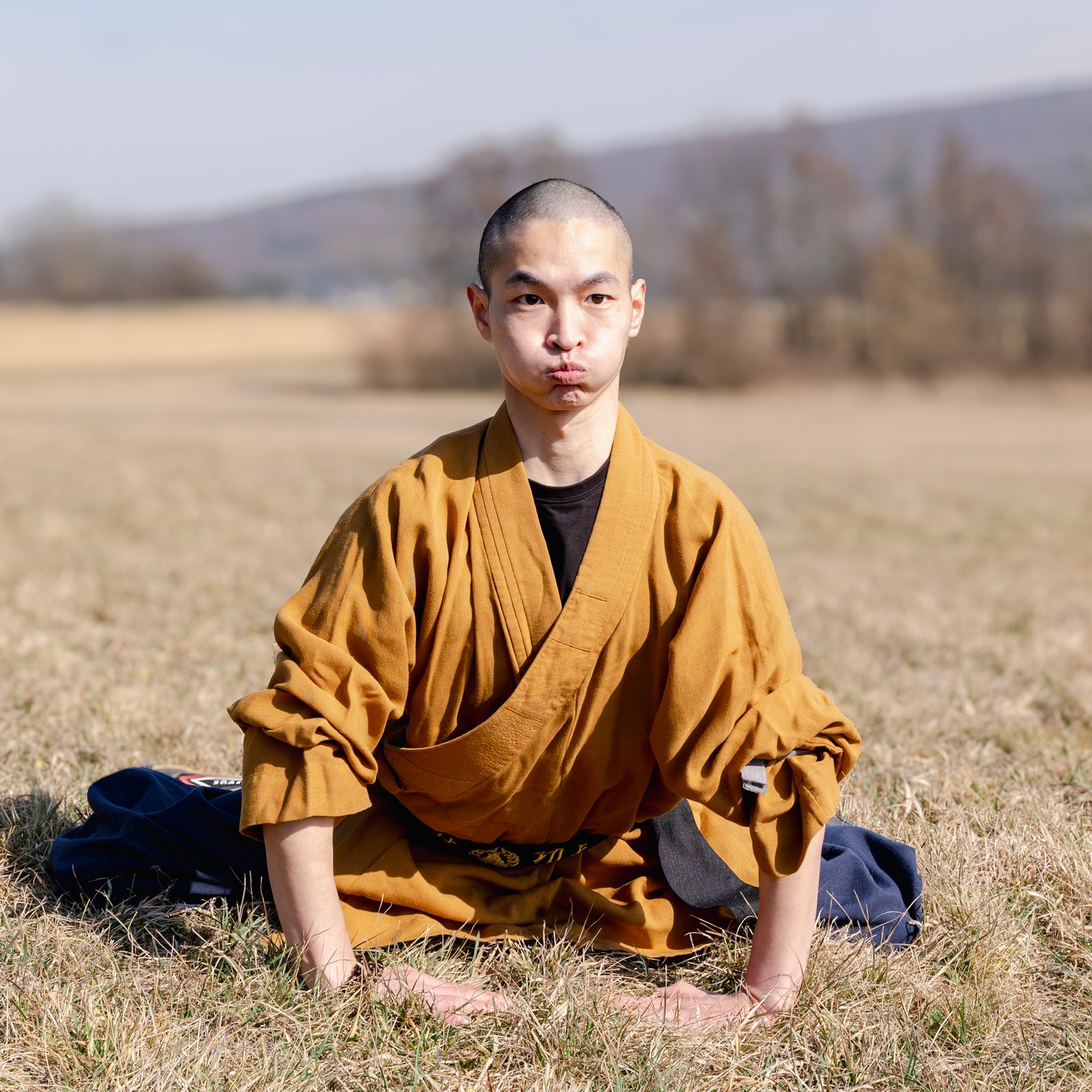
The Shaolin Frog Form is based on the principle of “training leaping with the frog and striking while leaping”. It emphasizes lowering the body, gathering energy and launching explosive upward attacks. The Frog form imitates the toad crouching on the ground to jump up with a powerful strike. It is known for low, tucked postures and explosive jumping strength where power is coiled in the waist and legs before erupting into a leap to strike the opponent. Through techniques that use both palm and foot strikes delivered with force the opponent is hit hard and is overpowered. Long-term practice of the Frog Form helps strengthen the practitioner’s core power and overall bodily coordination, harmony and strength.
Shaolin Scorpion Form
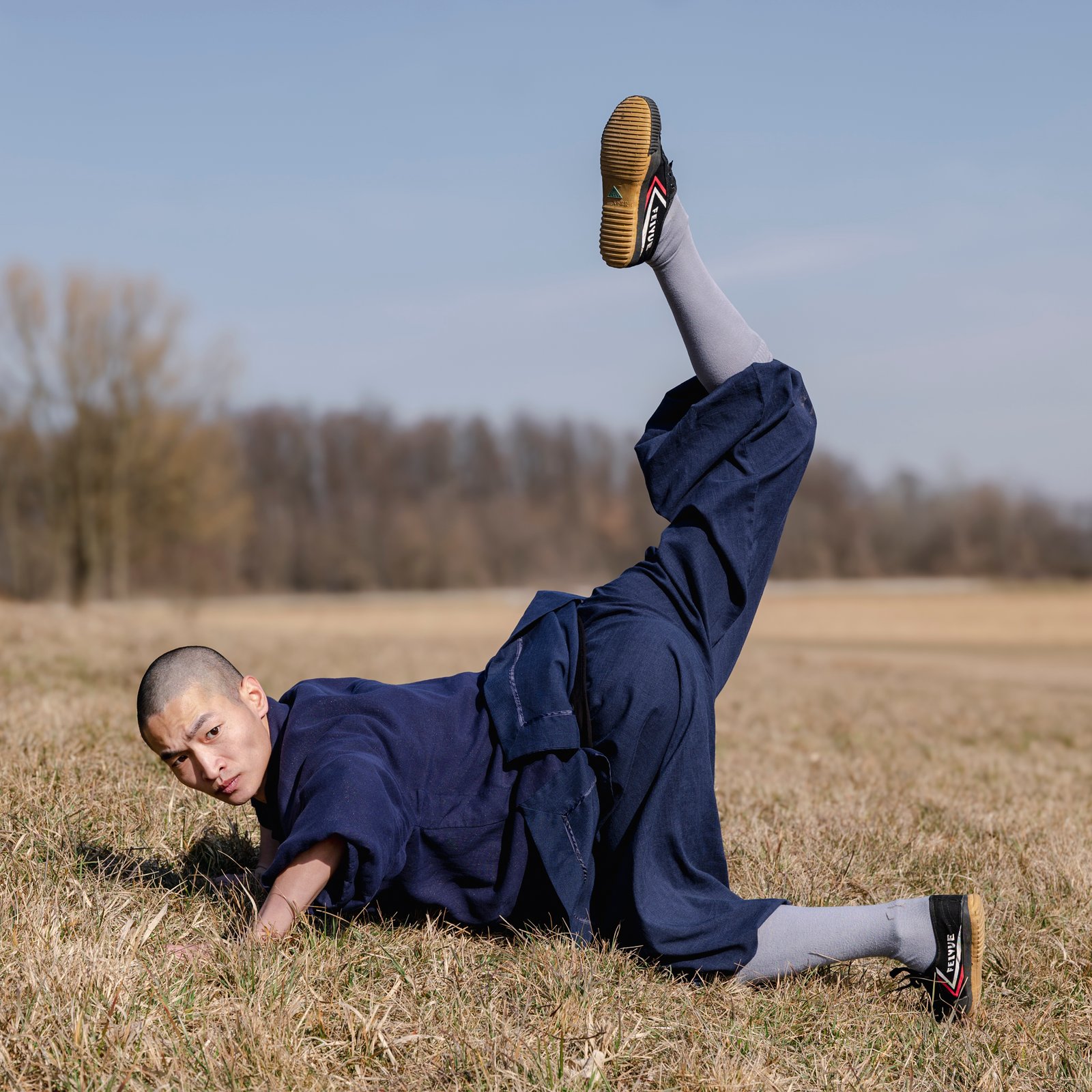
The Shaolin Scorpion Form is centered on the principle of “training the scorpion to be venomous, unpredictable and ruthless”. It imitates the scorpion’s distinctive attack methods and is particularly skillful in low-line defense, surprise counterattacks, and striking with spring kicks. The form places special emphasis on sweeping kicks, springing kicks, and inverted attacks. In combat, it demonstrates extremely potent strikes and unpredictable techniques.
Shaolin Leopard Form
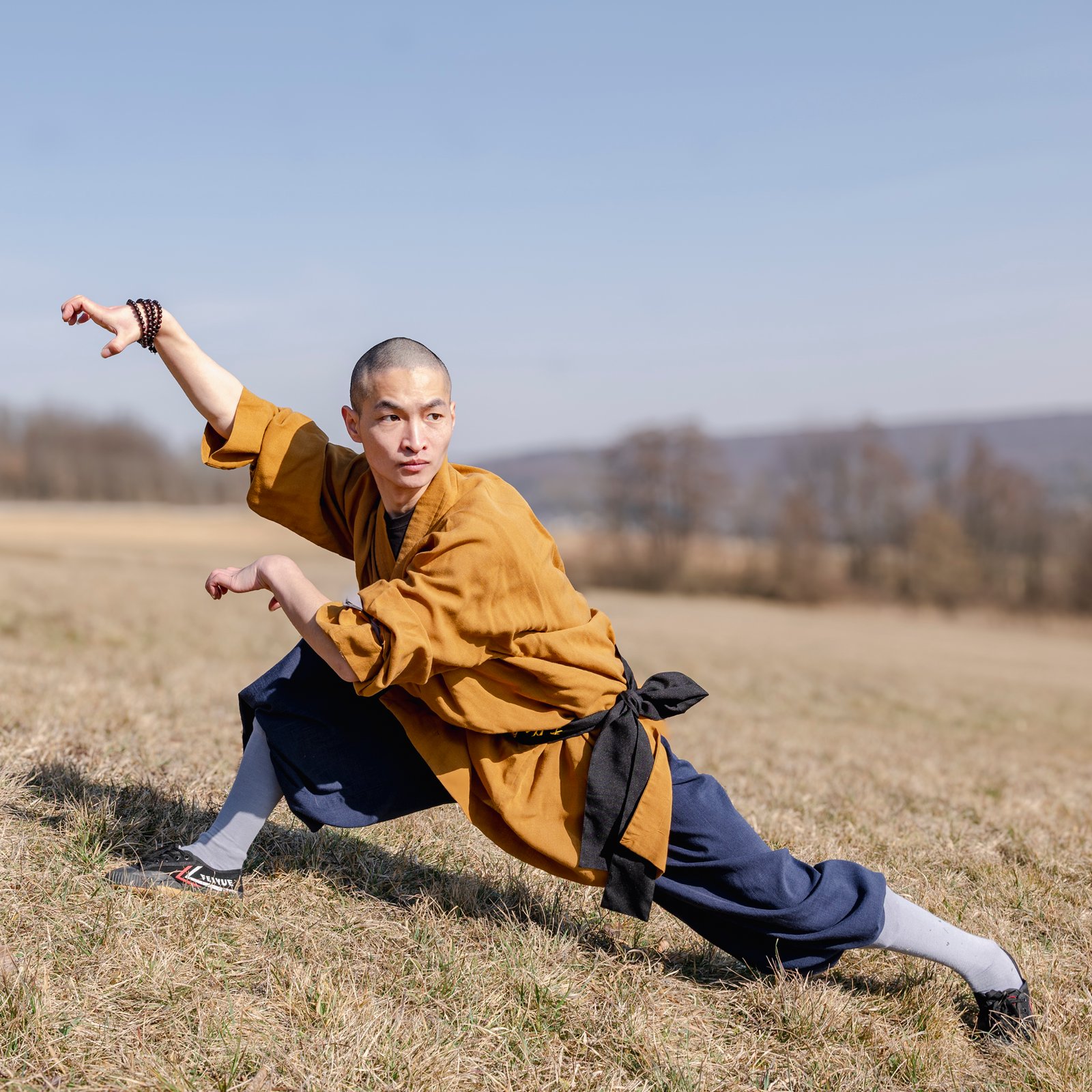
The Shaolin Leopard Form is based on the principle of “training power with the leopard to be fast and invisible”. It emphasizes speed, explosive power, and piercing force, combining the qualities of brutality, swiftness, accuracy, and hardness. The form aims to deliver lethal attacks in the shortest possible time: the body moves with intent, punches strike like lightning, and before the opponent is aware, he is already defeated.
Shaolin Eagle Form
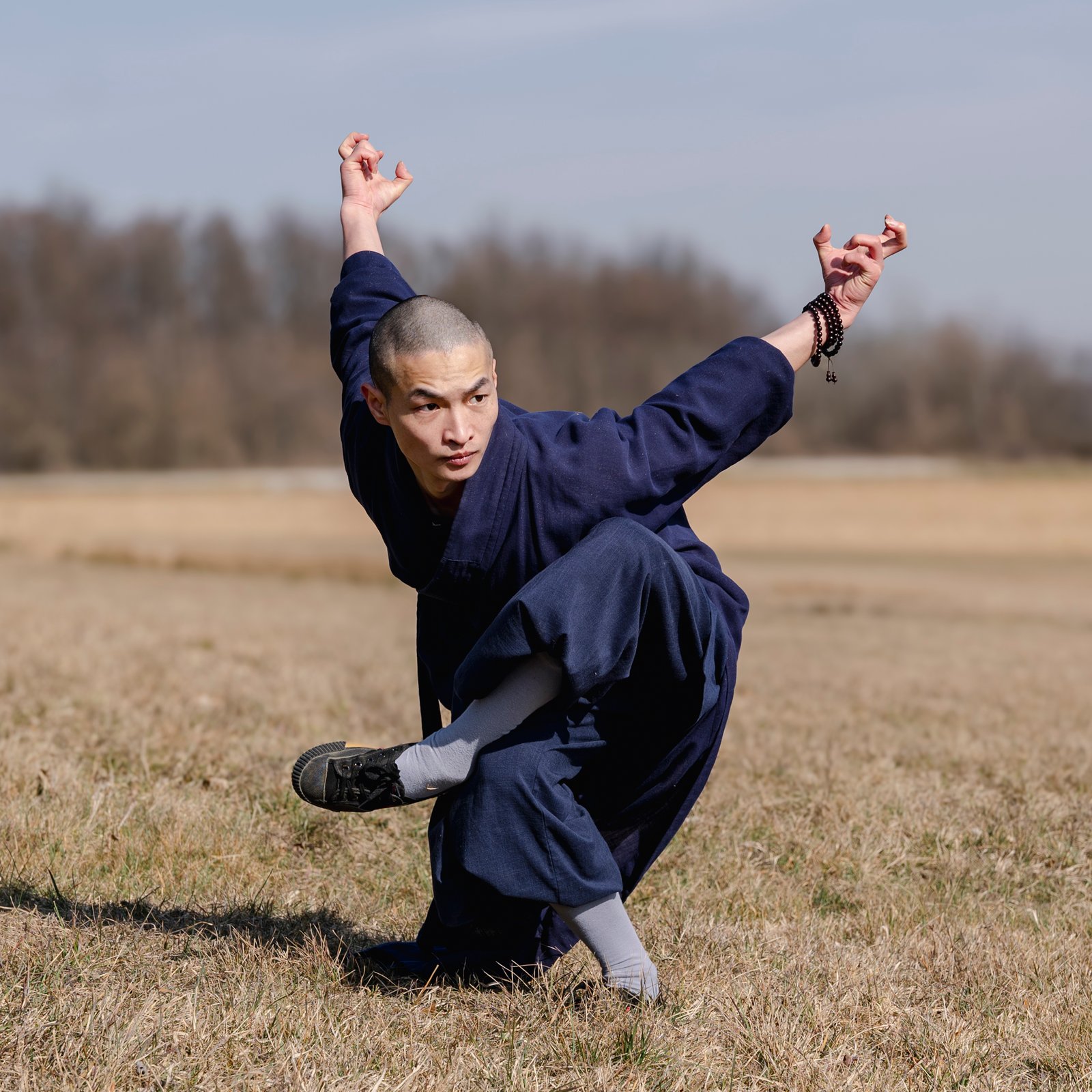
The Shaolin Eagle Form is based on the principle of “training one’s claws like an eagle to swiftly subdue the enemy” It emphasizes rapid attacks, precise control, and a balance of hardness and softness. The Shaolin Eagle Form incorporates the eagle’s attacking techniques, including pouncing, gripping, locking, seizing, pulling, and striking. Its core lies in the power of the “eagle claws” and requires a strong gripping and controlling force of the fingers, wrists and arms. It emphasizes explosive attacking speed and precise joint control. The opponents are subdued by tearing their muscles apart.
Shaolin Monkey Form
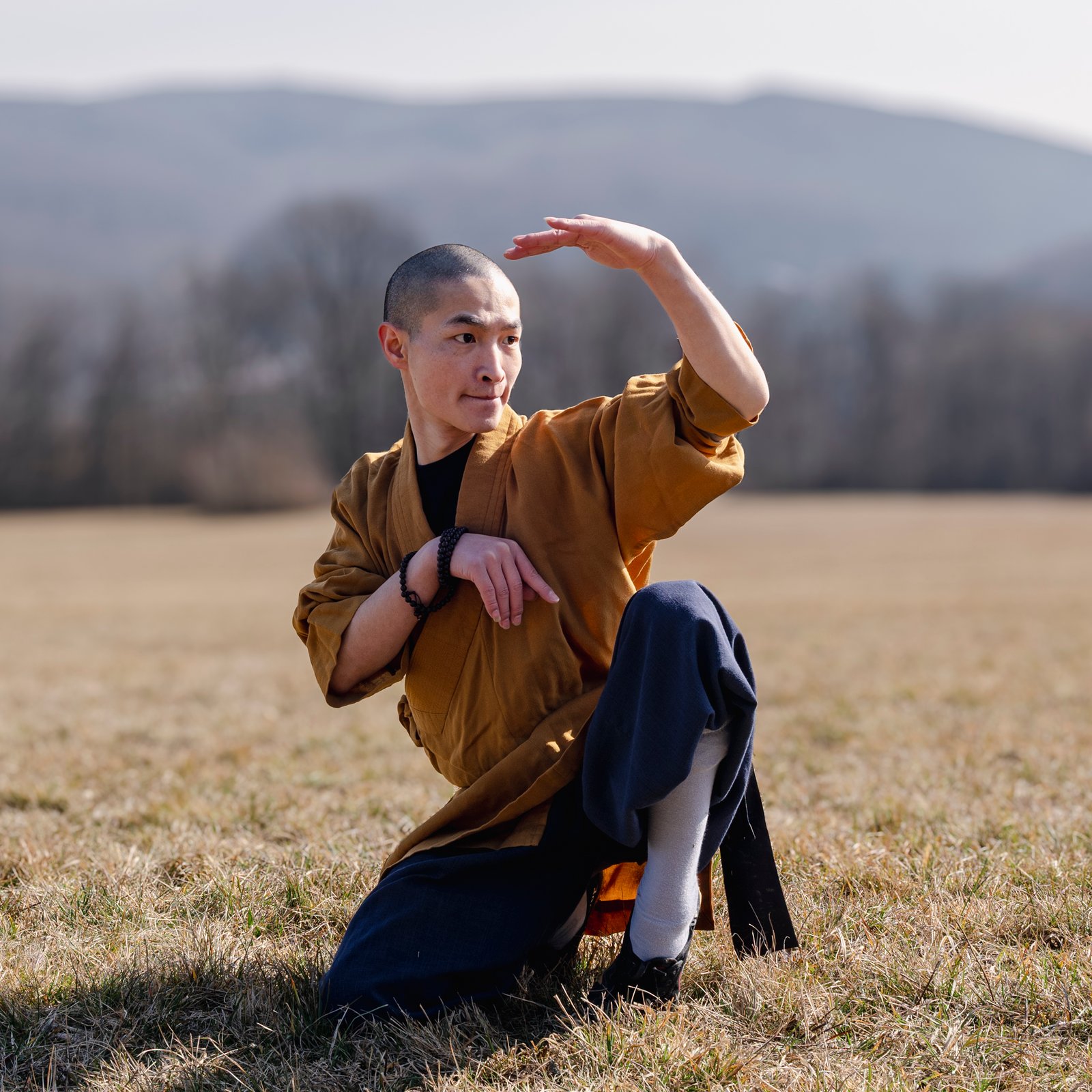
The Shaolin Monkey Form is centered on the principle of “training agility with the monkey to be flexible and versatile.” It emphasizes agility, flexibility, unpredictability, and quick reactions. The Monkey Form imitates the jumps, climbing, scratching and rolling movements of the monkey and uses them to constantly distract, confuse, and outmaneuver opponents and to create opportunities for counterattacks. It is a form that unites both wisdom and technique.
Shaolin Snake Form
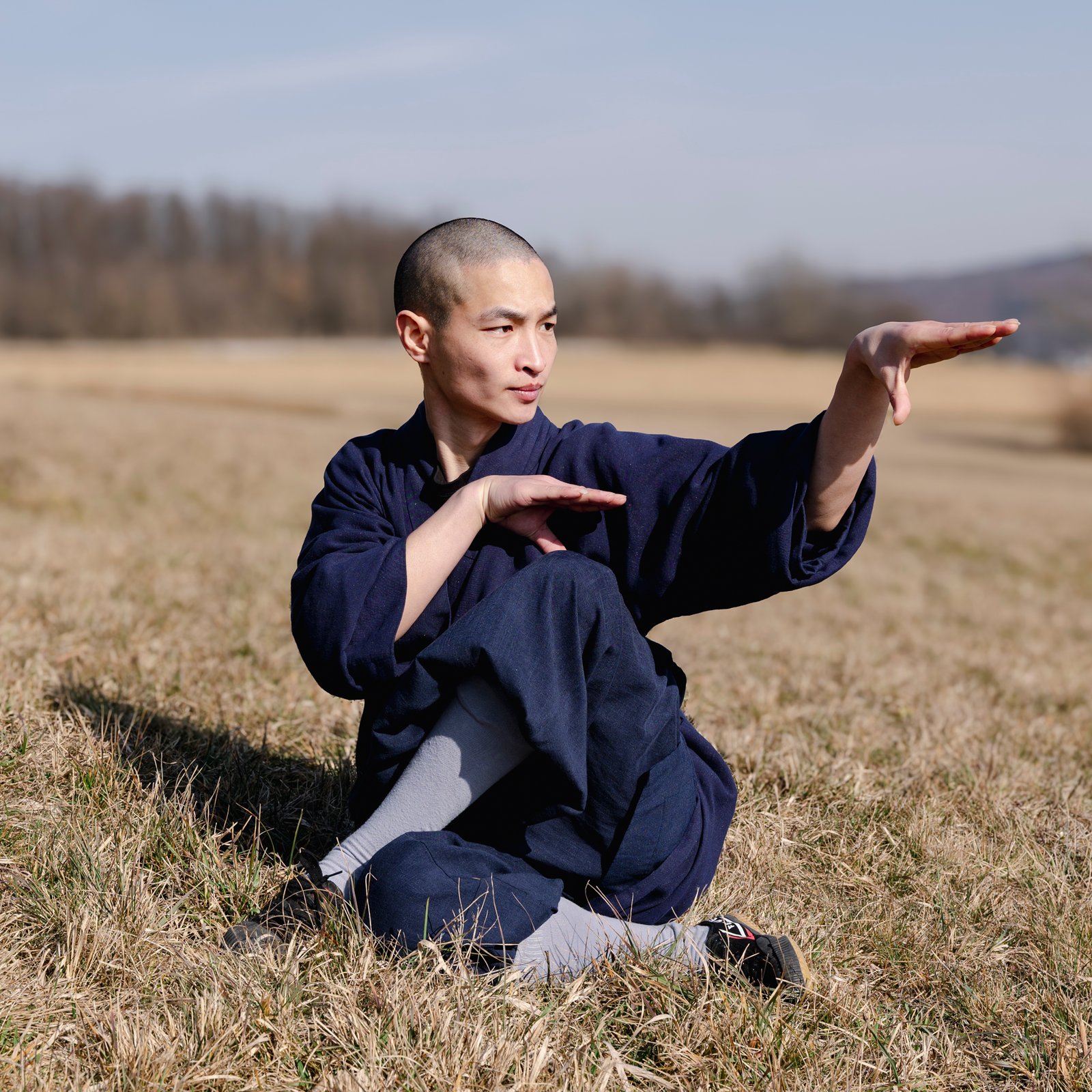
The Shaolin Snake Form is based on the principle of “training the energy of the snake to be soft and piercing.” The Snake Form emphasizes using internal energy to control force, achieving sustained and powerful breath, and combining softness and hardness to subdue the enemy. It mimics the snake’s agile, winding movements and swift, piercing strikes, stressing lightness of movement, restrained internal power, and smooth breathing, using softness to overcome hardness and skill to defeat force. Shaolin Snake techniques primarily utilize sliding, drilling, coiling, stabbing, and winding motions, combined with refined and distinctive hand techniques. Mastering the Snake Form allows one to move with the grace of a dragon and attack like a venomous snake.
Shaolin Duck Form
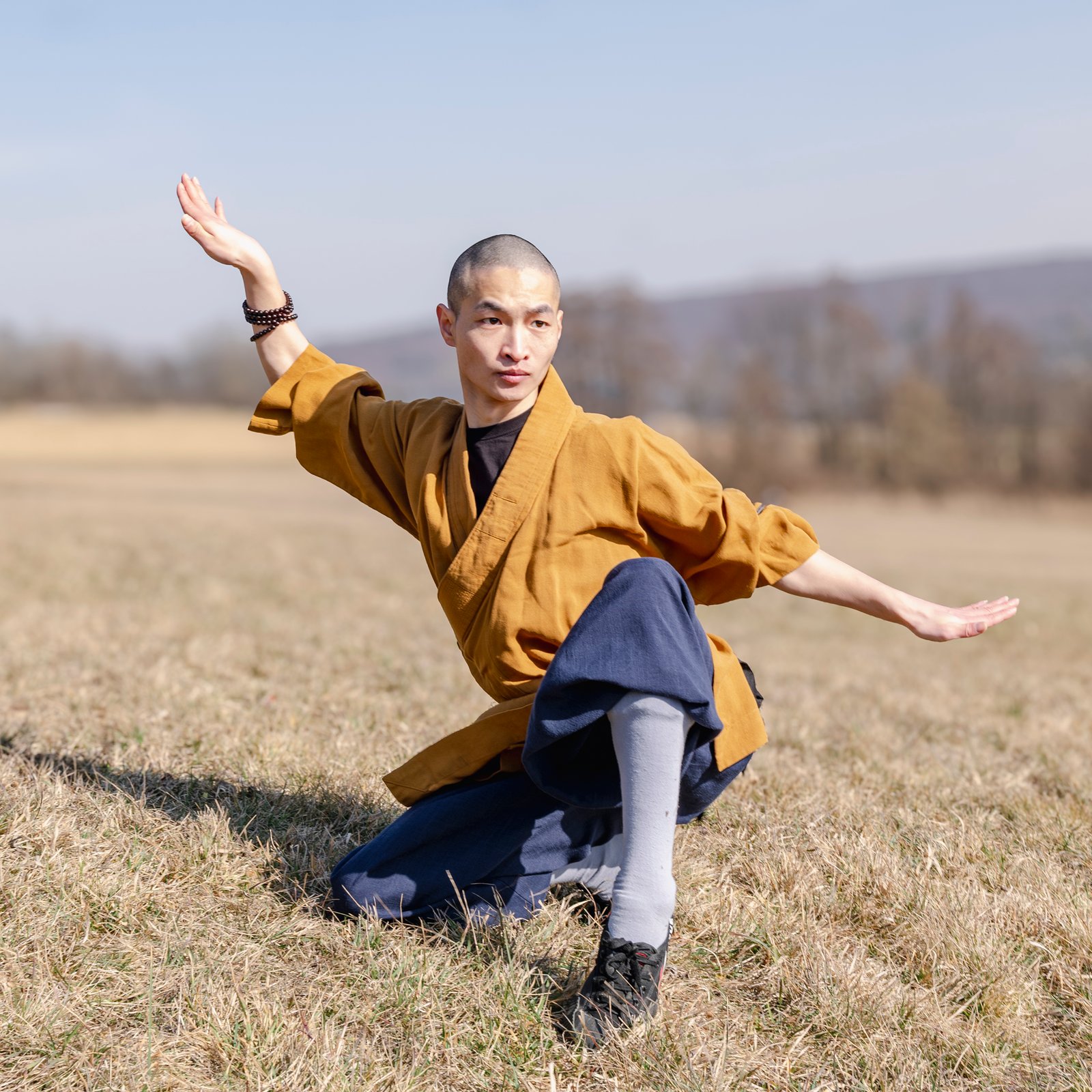
The Shaolin Duck Form is centered on the principle of “training footwork with the duck to be able to skillfully change it.” It emphasizes low, stable stances, agile evasion, and clever counterattacks. Through distinctive sliding and hopping movements, the practitioner maintains exceptional stability during the fight. The essence of the Duck Form lies in a solid lower base, focusing on maintaining balance under complex conditions. Continuous practice greatly enhances leg strength, core and hip stability, and balance control, enabling the practitioner to achieve a state where the body remains stable while the footwork is fluid like water.
Shaolin Tiger Form
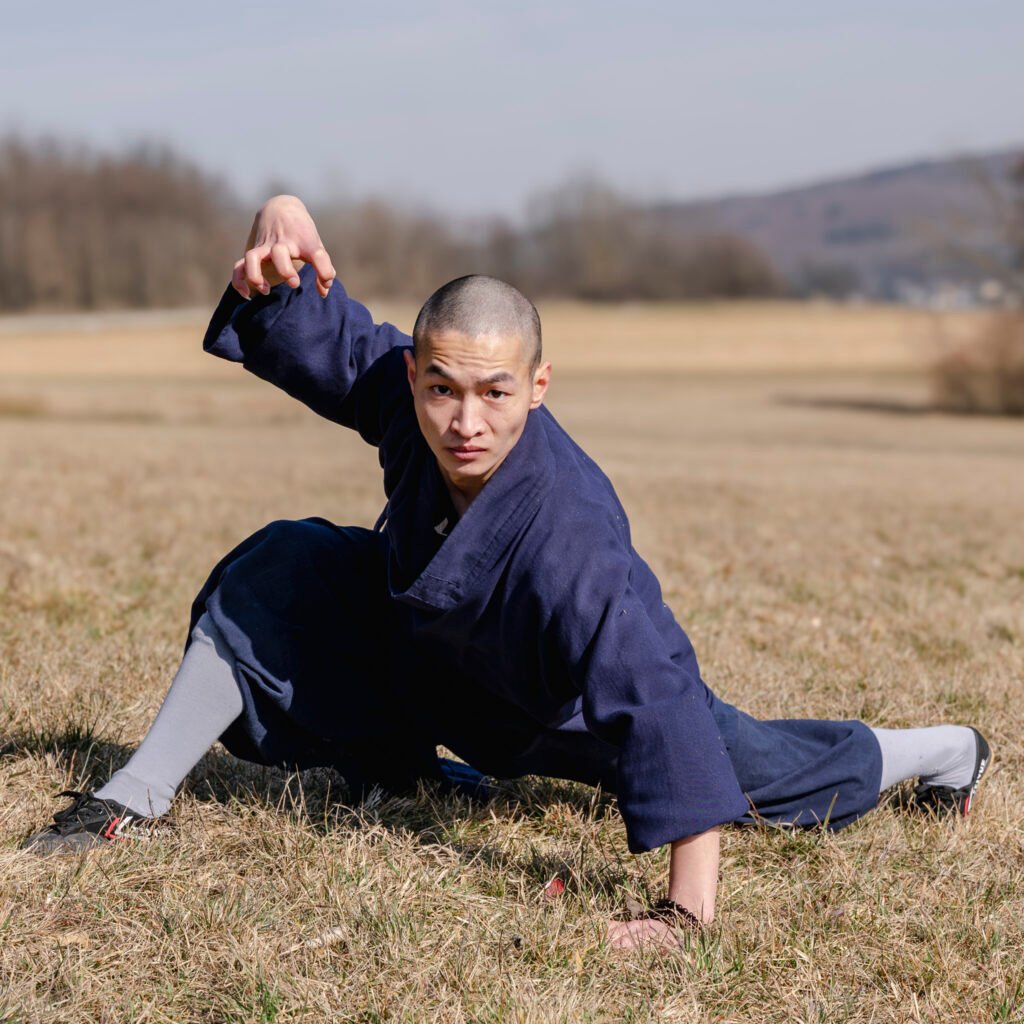
Shaolin Tiger Form is based on the wild and powerful spirit of the tiger. It emphasizes strength, calmness, and explosive force, embodying the principle of “strengthening the bones through practicing the tiger.” The Tiger Form is not only a set of fierce and fast techniques but also strengthens the muscles and bones, building physical power. Through year-long practice, practitioners develop a robust body, strong muscles and bones, and an indomitable fighting spirit.
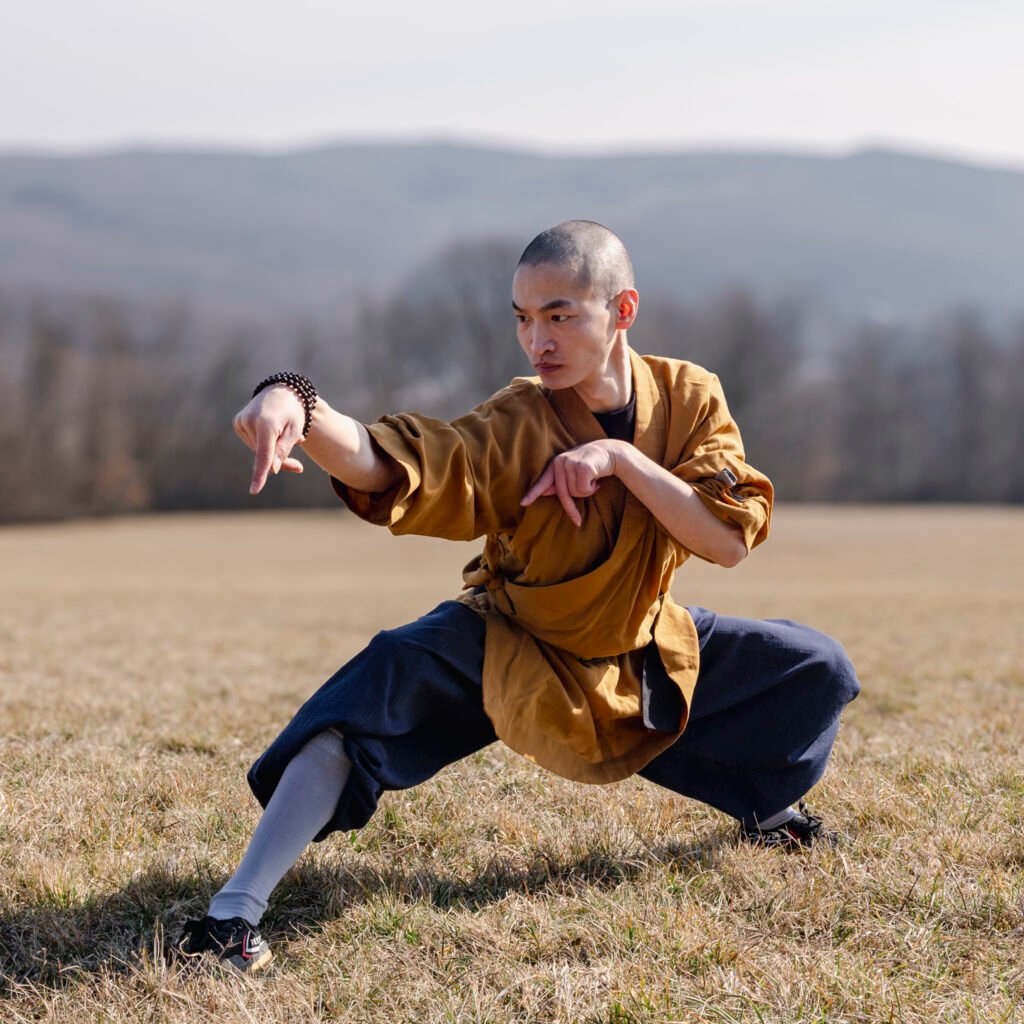
Shaolin Praying Mantis Form
The Shaolin Praying Mantis Form is based on the principle of “training skill with the mantis to employ agile and continuous strikes”. It emphasizes rapid combinations, skillful use of force, and a combination of entanglement and striking. It doesn’t block or attack, but attacks only when blocked. Its techniques are rapid and varied, employing hooking, parrying, flicking, and shaking techniques. It excels at continuous attacks, intercepting and counter-attacking, and entanglement to break through an opponent’s defense. The Praying Mantis Form is one of the most highly effective fighting styles in Shaolin Kung Fu.
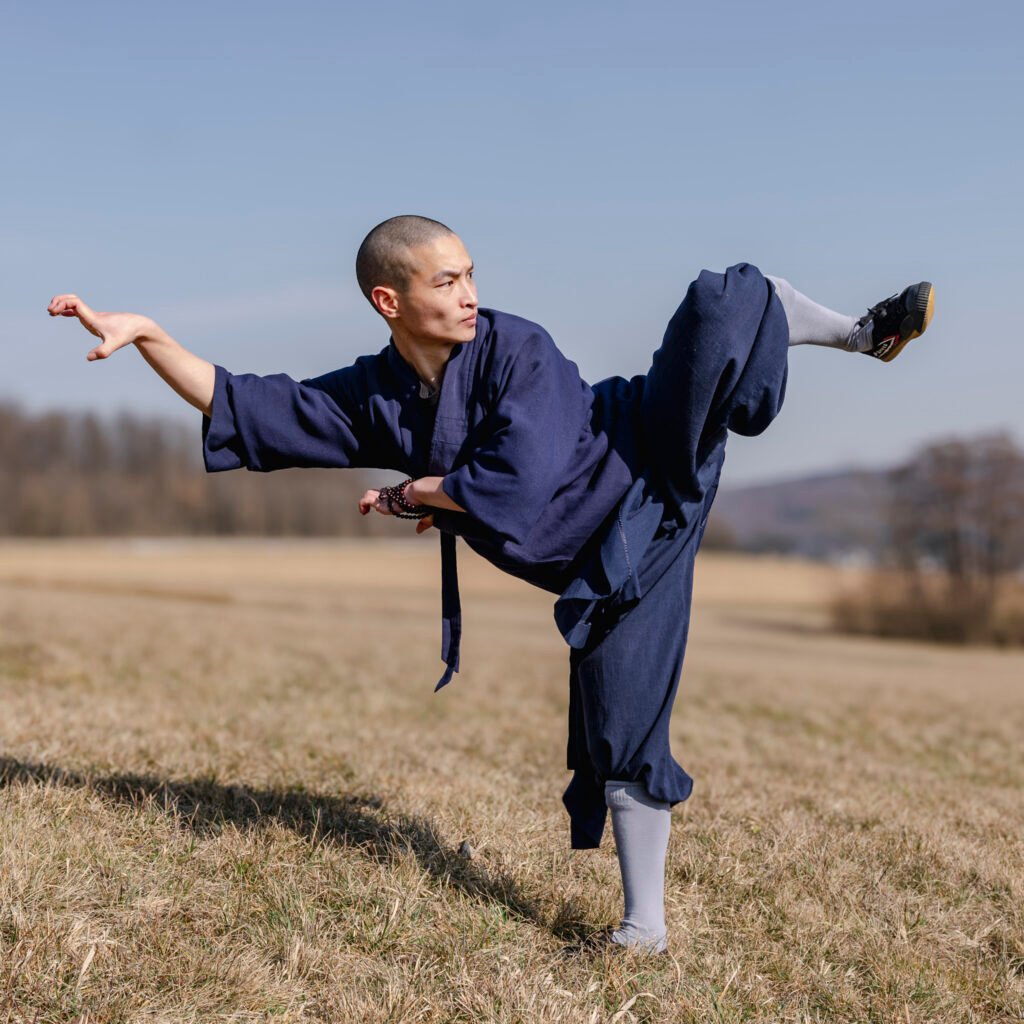
Shaolin Dog Form
The Shaolin Dog Form is centered on the principle of “training the dog to bite and to fight in close-quarters combat”. It emphasizes low-body clinching, close-range aggressive attacks, and agile rolling maneuvers. The Dog Form imitates the fighting methods of wild dogs, focusing on techniques of entangling, pouncing, biting, throwing, and pinning. It is characterized by using fast and flexible bodywork to close in to the opponent and get control over him by employing low-line attacks to break the opponent’s defense and to put him in a disadvantageous position. By combining agility and close combat techniques, the oppponent is quickly cornered and subdued.
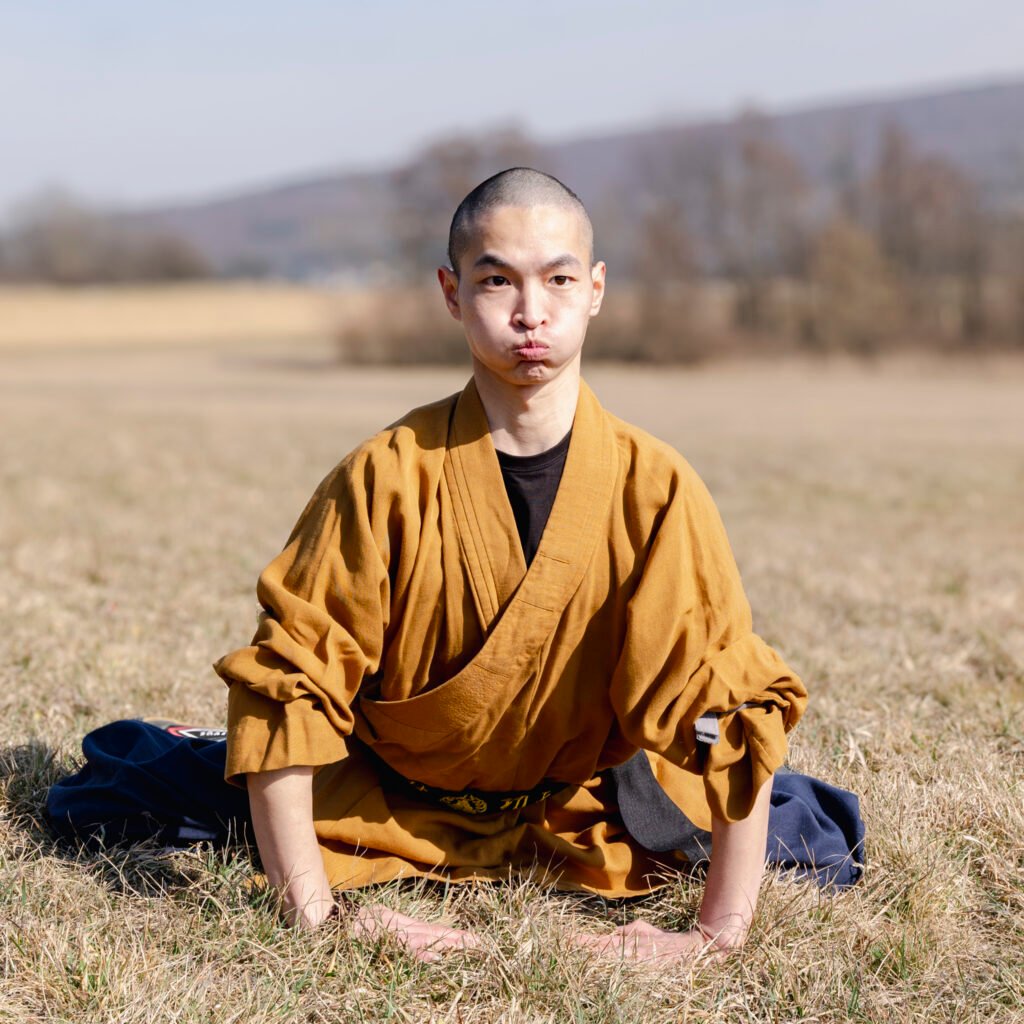
Shaolin Frog Form
The Shaolin Frog Form is based on the principle of “training leaping with the frog and striking while leaping”. It emphasizes lowering the body, gathering energy and launching explosive upward attacks. The Frog form imitates the toad crouching on the ground to jump up with a powerful strike. It is known for low, tucked postures and explosive jumping strength where power is coiled in the waist and legs before erupting into a leap to strike the opponent. Through techniques that use both palm and foot strikes delivered with force the opponent is hit hard and is overpowered. Long-term practice of the Frog Form helps strengthen the practitioner’s core power and overall bodily coordination, harmony and strength.
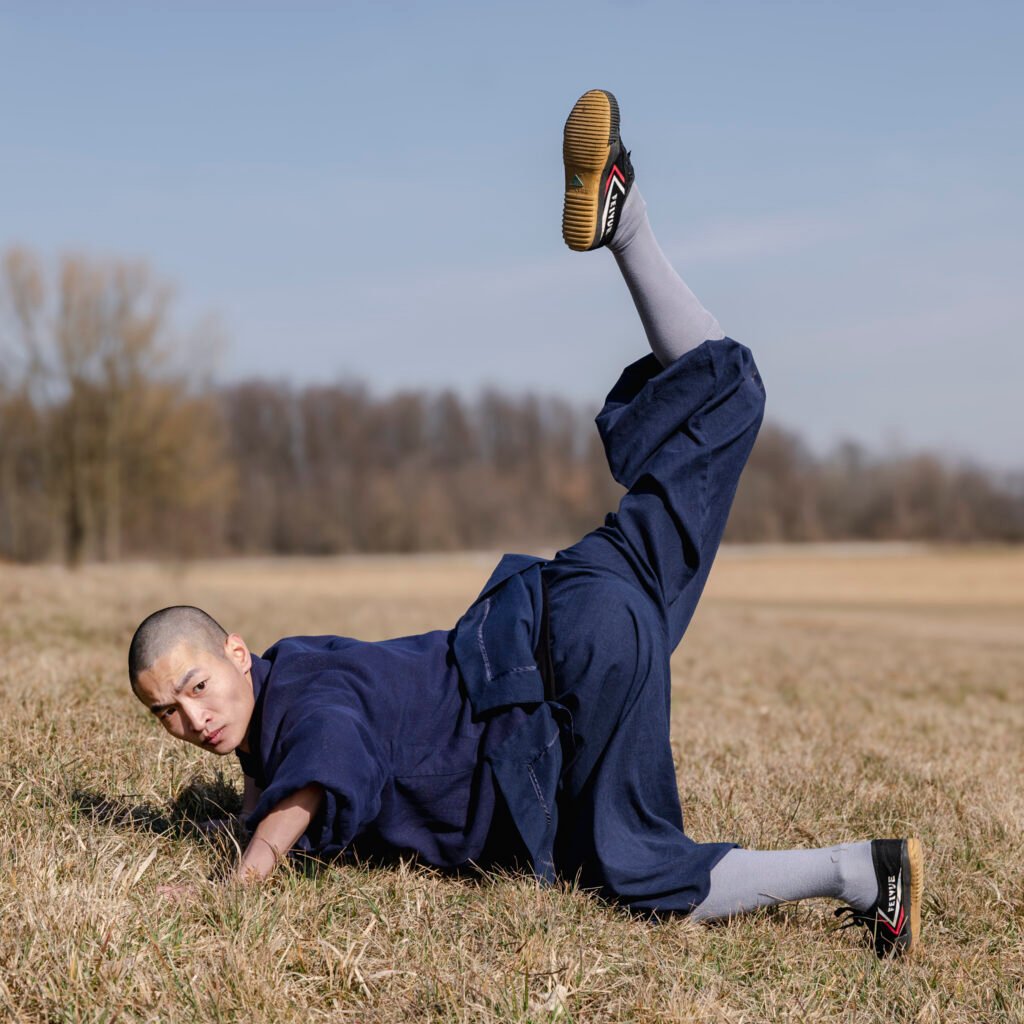
Shaolin Scorpion Form
The Shaolin Scorpion Form is centered on the principle of “training the scorpion to be venomous, unpredictable and ruthless”. It imitates the scorpion’s distinctive attack methods and is particularly skillful in low-line defense, surprise counterattacks, and striking with spring kicks. The form places special emphasis on sweeping kicks, springing kicks, and inverted attacks. In combat, it demonstrates extremely potent strikes and unpredictable techniques.
Shaolin Leopard Form
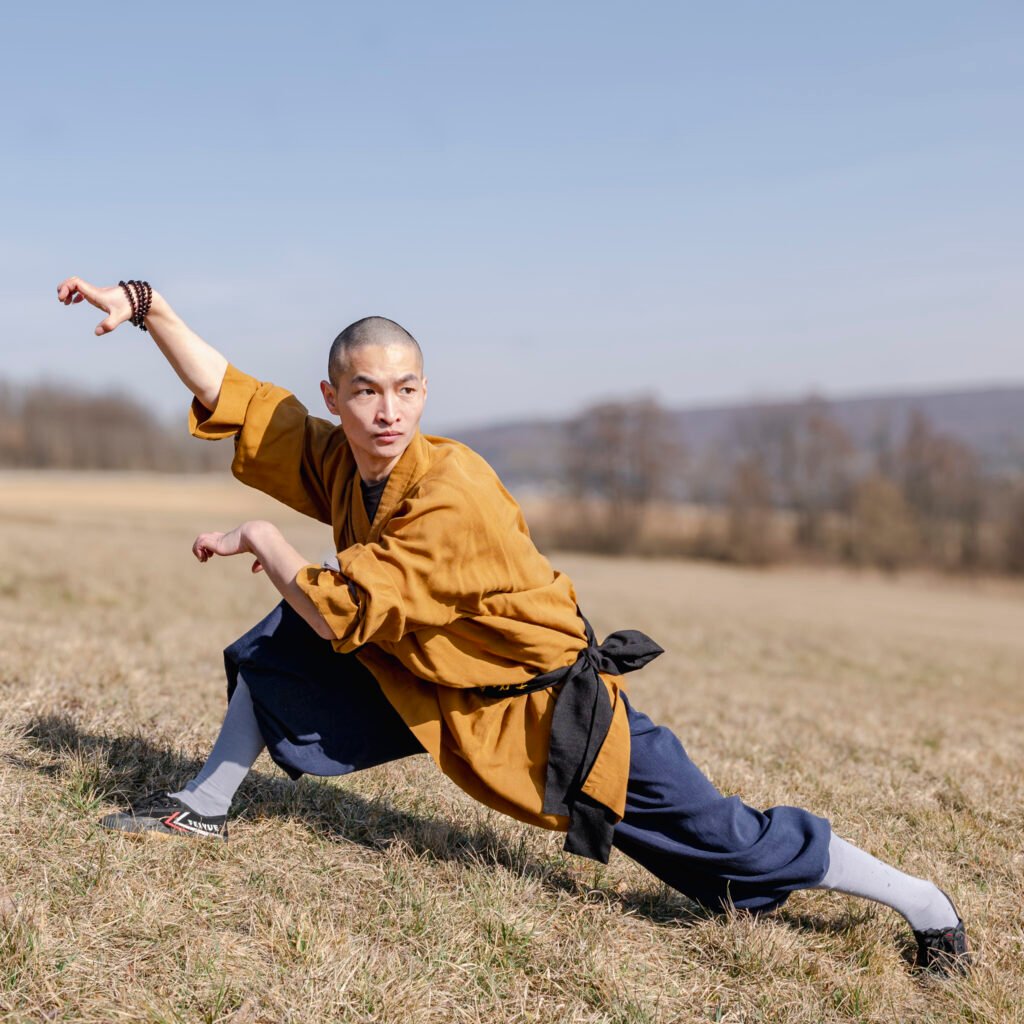
The Shaolin Leopard Form is based on the principle of “training power with the leopard to be fast and invisible”. It emphasizes speed, explosive power, and piercing force, combining the qualities of brutality, swiftness, accuracy, and hardness. The form aims to deliver lethal attacks in the shortest possible time: the body moves with intent, punches strike like lightning, and before the opponent is aware, he is already defeated.
Shaolin Eagle Form
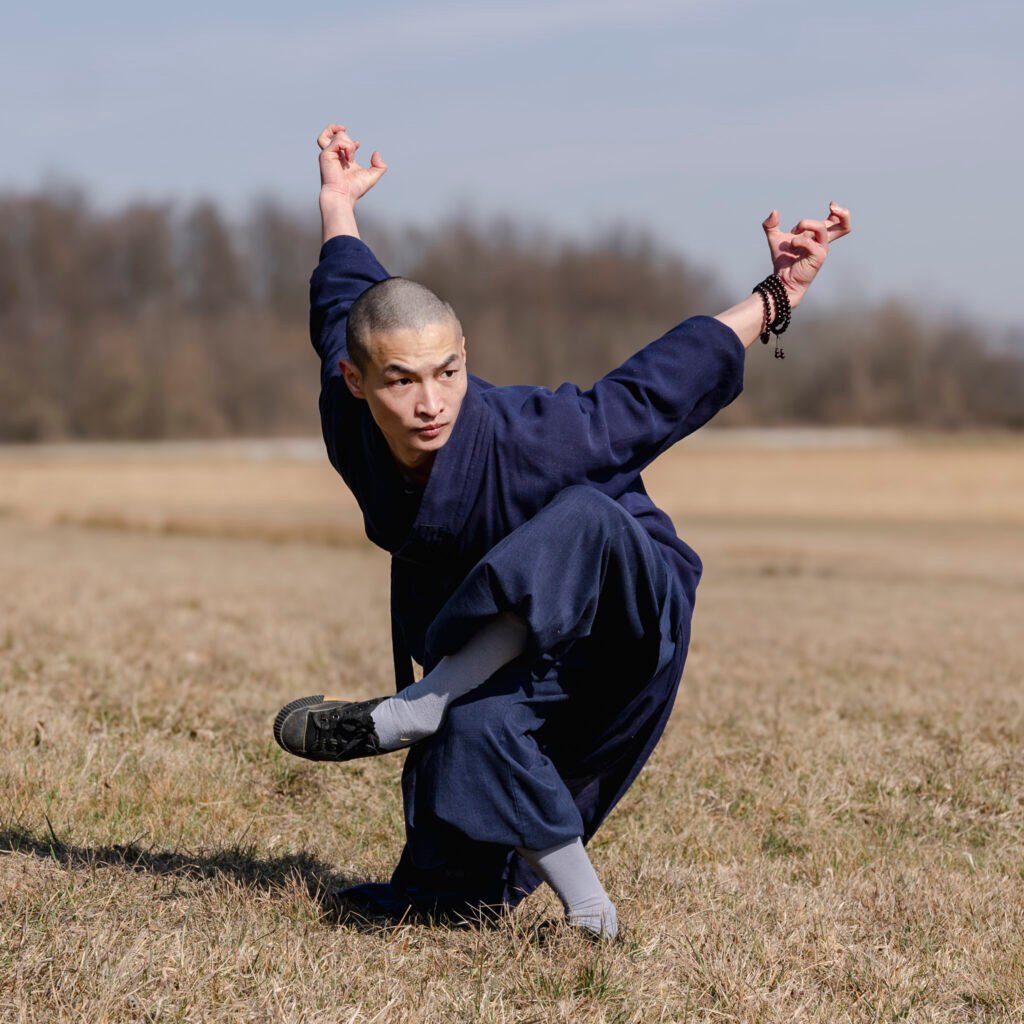
The Shaolin Eagle Form is based on the principle of “training one’s claws like an eagle to swiftly subdue the enemy” It emphasizes rapid attacks, precise control, and a balance of hardness and softness. The Shaolin Eagle Form incorporates the eagle’s attacking techniques, including pouncing, gripping, locking, seizing, pulling, and striking. Its core lies in the power of the “eagle claws” and requires a strong gripping and controlling force of the fingers, wrists and arms. It emphasizes explosive attacking speed and precise joint control. The opponents are subdued by tearing their muscles apart.
Shaolin Monkey Form
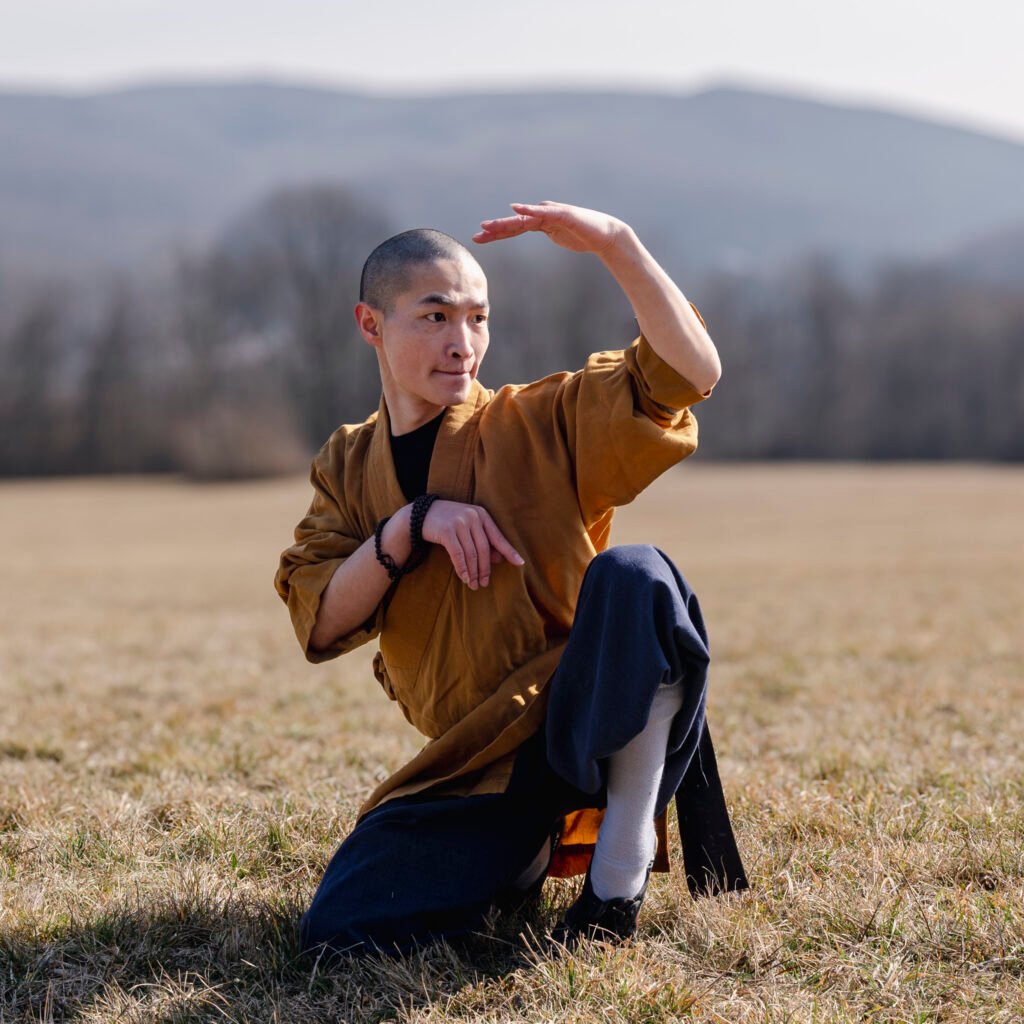
The Shaolin Monkey Form is centered on the principle of “training agility with the monkey to be flexible and versatile.” It emphasizes agility, flexibility, unpredictability, and quick reactions. The Monkey Form imitates the jumps, climbing, scratching and rolling movements of the monkey and uses them to constantly distract, confuse, and outmaneuver opponents and to create opportunities for counterattacks. It is a form that unites both wisdom and technique.
Shaolin Snake Form
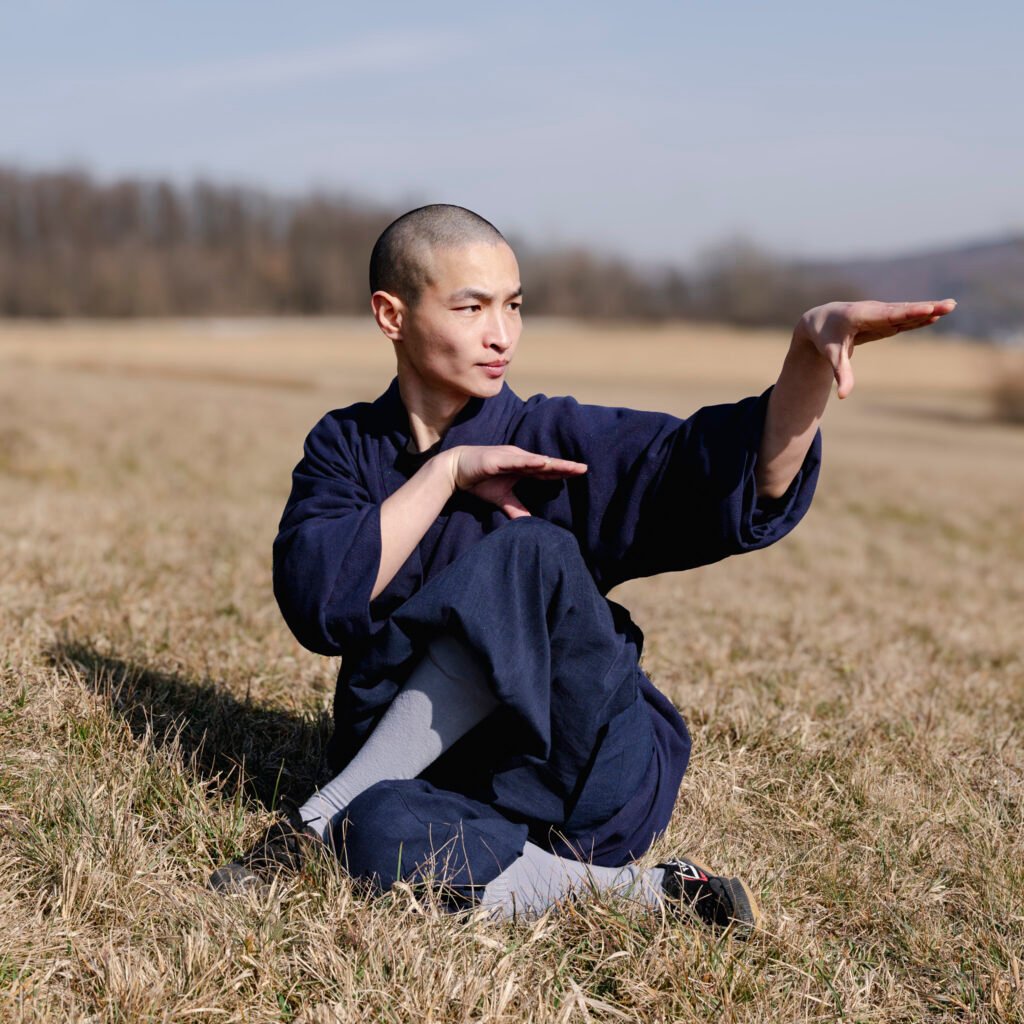
The Shaolin Snake Form is based on the principle of “training the energy of the snake to be soft and piercing.” The Snake Form emphasizes using internal energy to control force, achieving sustained and powerful breath, and combining softness and hardness to subdue the enemy. It mimics the snake’s agile, winding movements and swift, piercing strikes, stressing lightness of movement, restrained internal power, and smooth breathing, using softness to overcome hardness and skill to defeat force. Shaolin Snake techniques primarily utilize sliding, drilling, coiling, stabbing, and winding motions, combined with refined and distinctive hand techniques. Mastering the Snake Form allows one to move with the grace of a dragon and attack like a venomous snake.
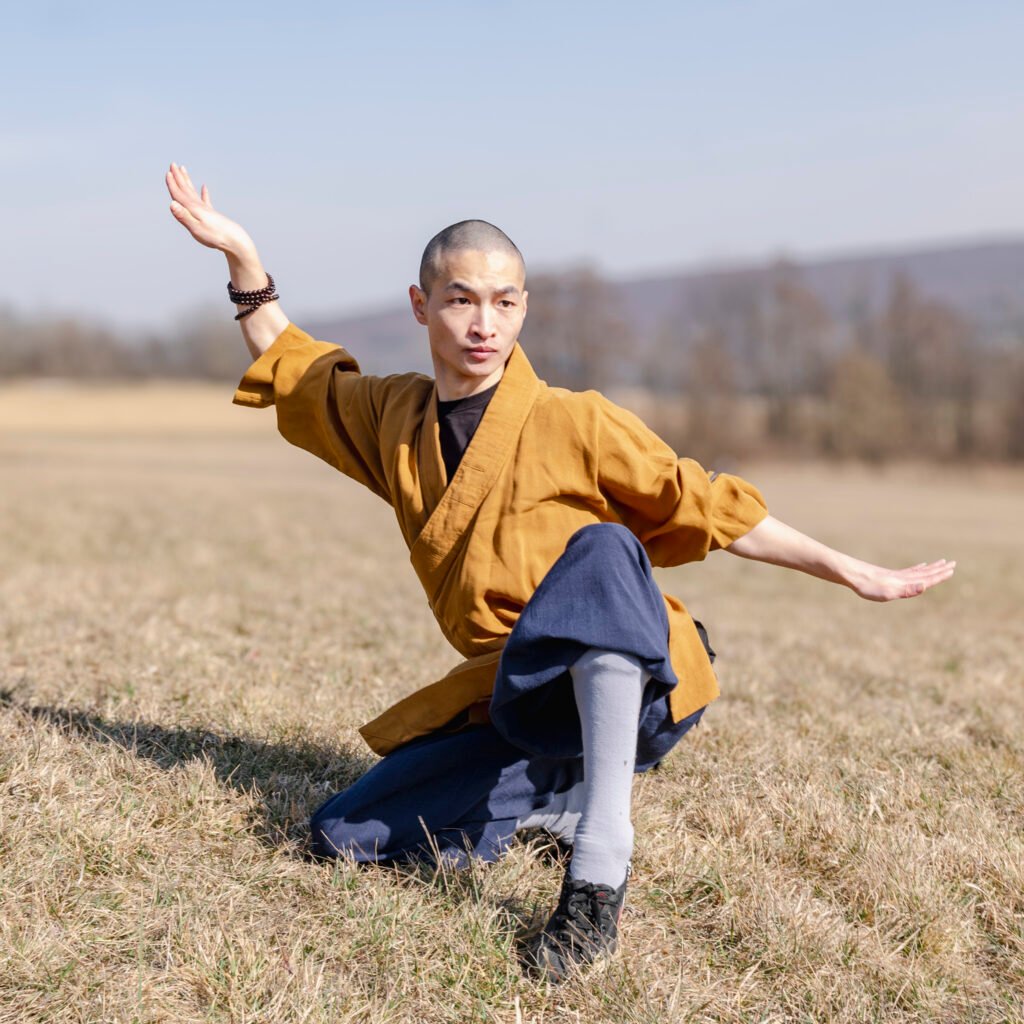
Shaolin Duck Form
The Shaolin Duck Form is centered on the principle of “training footwork with the duck to be able to skillfully change it.” It emphasizes low, stable stances, agile evasion, and clever counterattacks. Through distinctive sliding and hopping movements, the practitioner maintains exceptional stability during the fight. The essence of the Duck Form lies in a solid lower base, focusing on maintaining balance under complex conditions. Continuous practice greatly enhances leg strength, core and hip stability, and balance control, enabling the practitioner to achieve a state where the body remains stable while the footwork is fluid like water.
Do you have questions?
If you have any questions or want to book a lesson, feel free to contact me!
Do you have questions?
If you have any questions or want to book a lesson, feel free to contact me!