
SHAOLIN FIST FORMS
Shaolin fist forms (sometimes also called boxing techniques) first emerged primarily as practical combat methods. Starting from the late Ming dynasty, they gradually evolved into more systematic routines (Taolu), eventually forming numerous established forms. Shaolin fist forms have a long, diverse and rich history. Their movements are powerful and forceful, straightforward and unadorned, yet agile and versatile, combining offense and defense with strong practical application. Representative forms include Xiao Hong Quan (Small Flood Fist), Da Hong Quan (Big Flood Fist), Luohan Quan (Arhat Fist), Meihua Quan (Plum Blossom Fist), Liu He Quan (Six Harmonies Fist), and Taizu Chang Quan (Emperor Taizu’s Long Fist).
SHAOLIN FIST FORMS
Shaolin fist forms (sometimes also called boxing techniques) first emerged primarily as practical combat methods. Starting from the late Ming dynasty, they gradually evolved into more systematic routines (Taolu), eventually forming numerous established forms. Shaolin fist forms have a long, diverse and rich history. Their movements are powerful and forceful, straightforward and unadorned, yet agile and versatile, combining offense and defense with strong practical application. Representative forms include Xiao Hong Quan (Small Flood Fist), Da Hong Quan (Big Flood Fist), Luohan Quan (Arhat Fist), Meihua Quan (Plum Blossom Fist), Liu He Quan (Six Harmonies Fist), and Taizu Chang Quan (Emperor Taizu’s Long Fist).
Wu Bu Quan
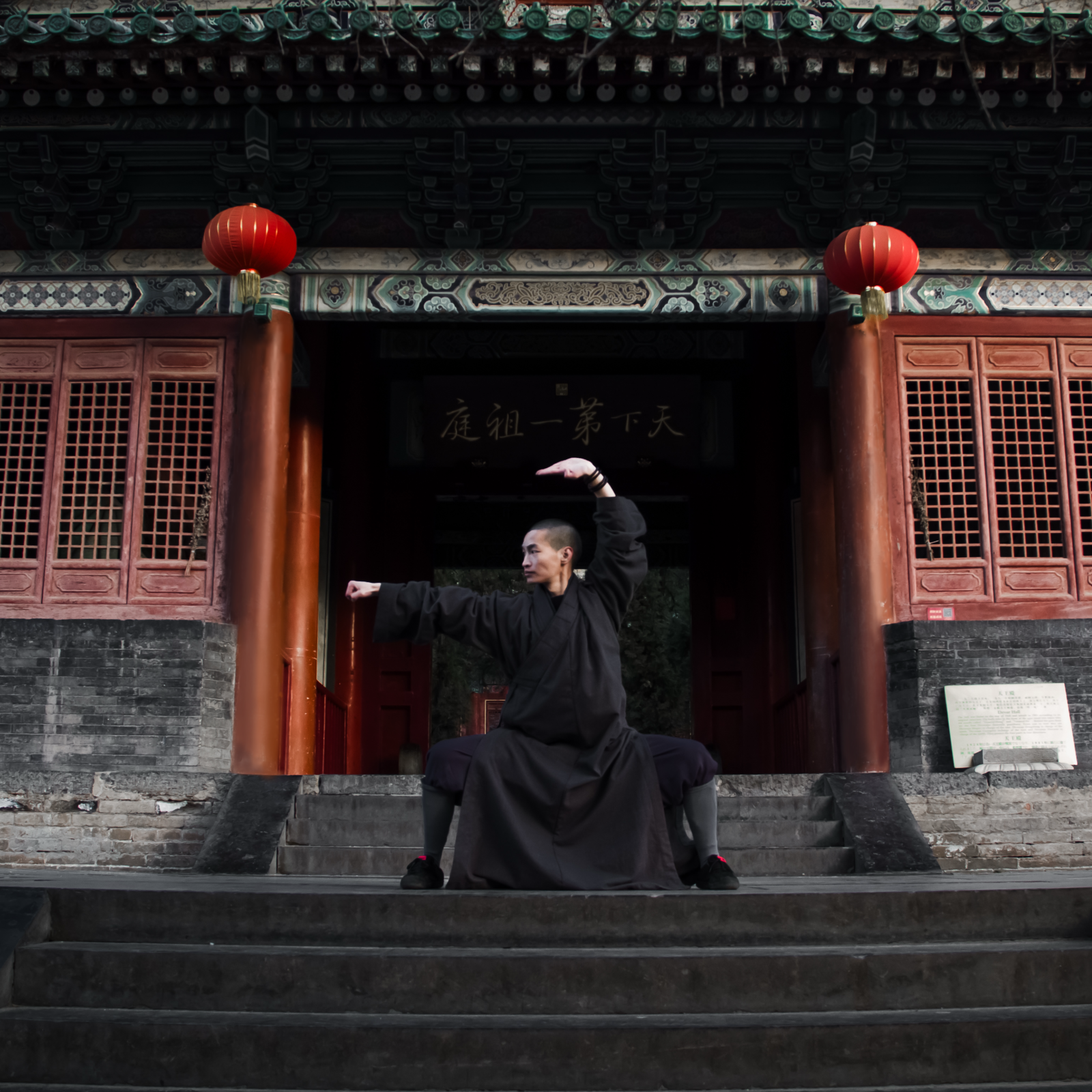
Wu Bu Quan (Five-Step Fist) is one of the basic introductory forms of Shaolin Kung Fu, making it very suitable for beginners to practice. It is composed of five fundamental stances — the bow stance (Gong Bu), horse stance (Ma Bu), crouching stance (Pu Bu), empty stance (Xu Bu), and resting stance (Xie Bu) — combined with attack techniques such as straight punches (Chong Quan) and chopping palm attacks (Pi Zhang). The form is simple and easy to learn, yet multi-layered. It helps beginners master basic footwork and hand/fist techniques, while improving coordination, strength, and balance. Although Wu Bu Quan appears simple, it embodies the essence of traditional Kung Fu and serves as an essential part of training which practitioners should not ignore.
Lian Huan Quan
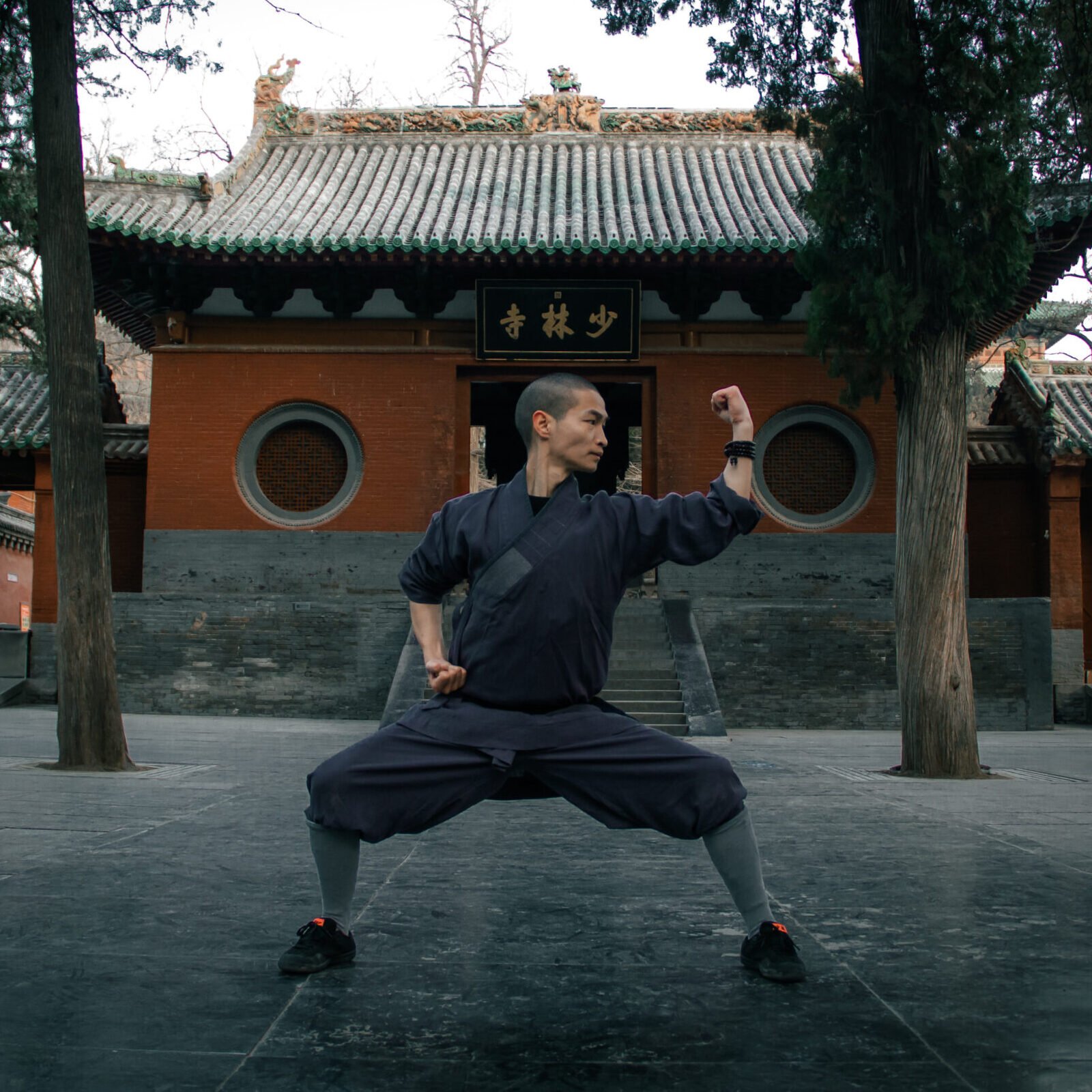
Lian Huan Quan (Linked Chain Fist) was developed and refined by Shaolin warrior monks through long-term fighting experience and practice. Over generations of Shaolin warrior monks, it has been continuously refined and gradually an unique style and own system was formed. As its name “Lian Huan” (linked chain) suggests, the form emphasizes continuous flowing transitions between movements. Punches, kicks, and steps seamlessly connect and turn into one fluid sequence. The form is powerful and forceful, combining both offense and defense, and has long been beloved by Kung Fu enthusiasts.
Today, Shaolin Lian Huan Quan is recognized as a National Intangible Cultural Heritage of China, and is preserved as well as passed along to the next generations.
Shi San Quan
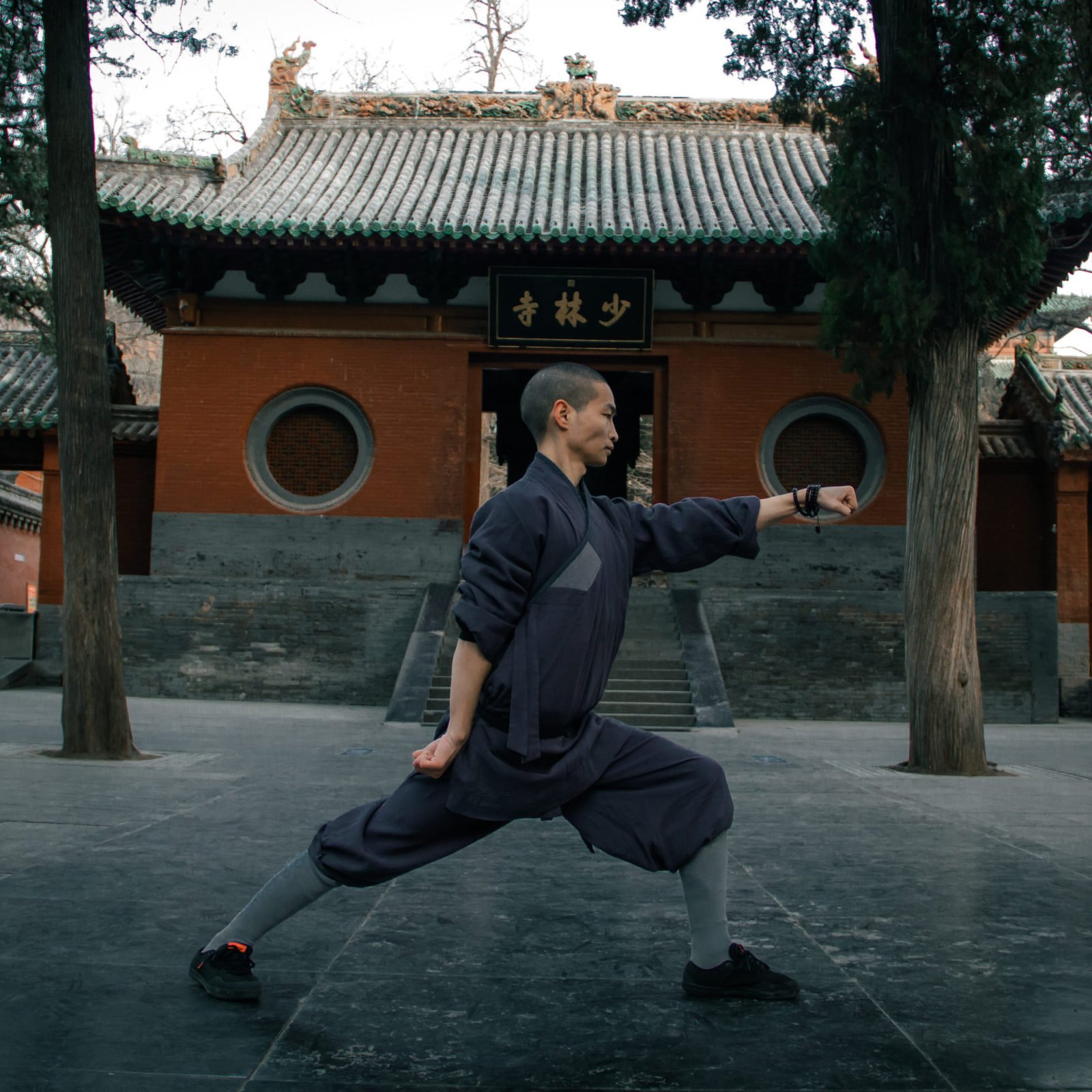
Shi San Quan (Thirteen Fist Form) is a short-fist form within Shaolin Kung Fu, consisting of thirteen main movements, each embodying the principles of Kung Fu combat techniques. With its simple and easy-to-learn movements, which are powerful and vigorous and combine offense and defense, it has long been cherished by martial arts practitioners in China.
Wu Xing Quan
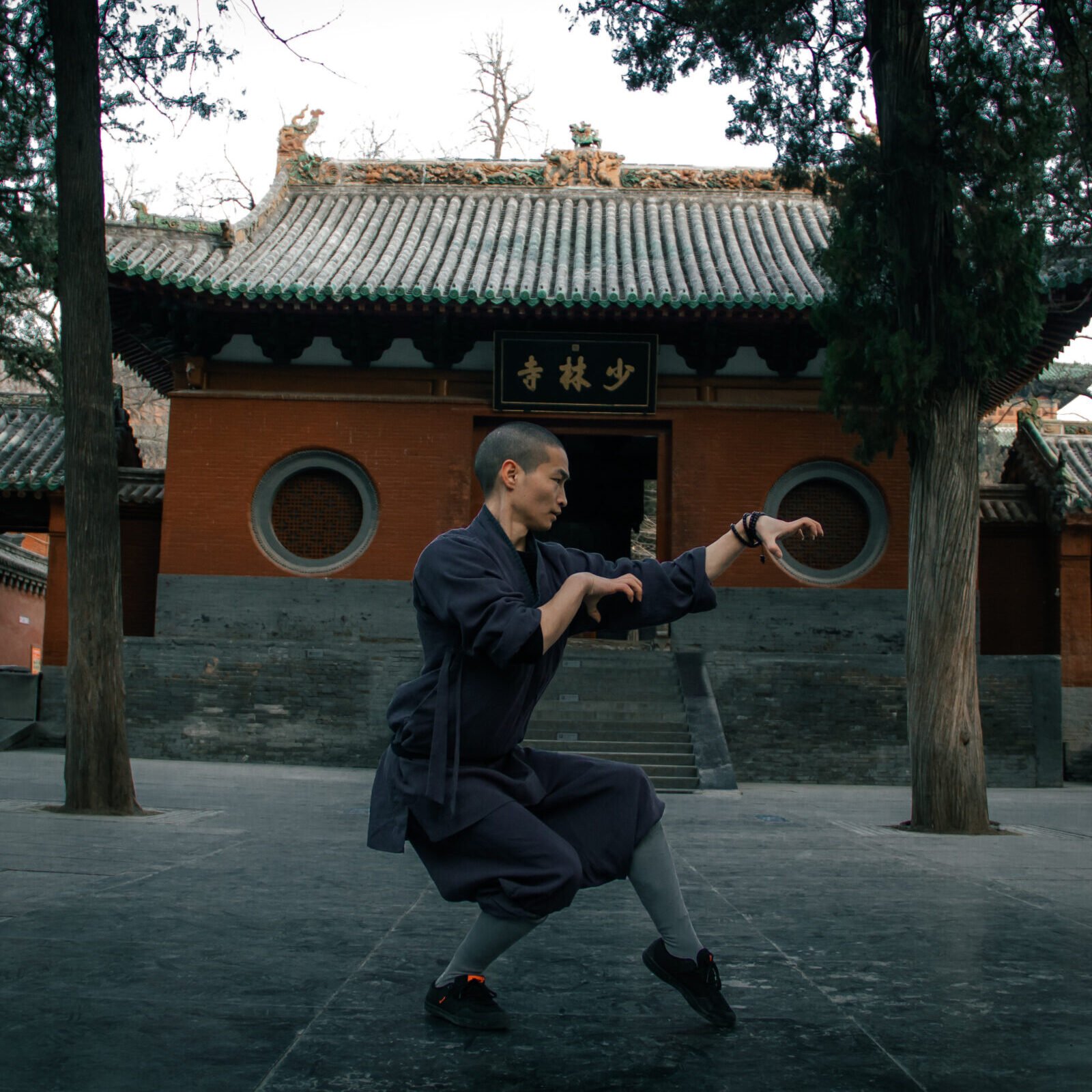
Wu Xing Quan (Five Animal Fist) is one of the important forms of the Shaolin form system. Inspired by the forms and movements of five animals — the dragon, tiger, crane, snake, and leopard — it combines the strength and agility characteristic of Shaolin Kung Fu. The Five Animal Fist emphasizes not only external resemblance to the animals’ shapes but also the internal embodiment of their spirit and energy. Through imitating the characteristics of these animals, the aim is to strengthen the body, promote health, cultivate character, and enhance combat skills.
Da Tong Bei Quan
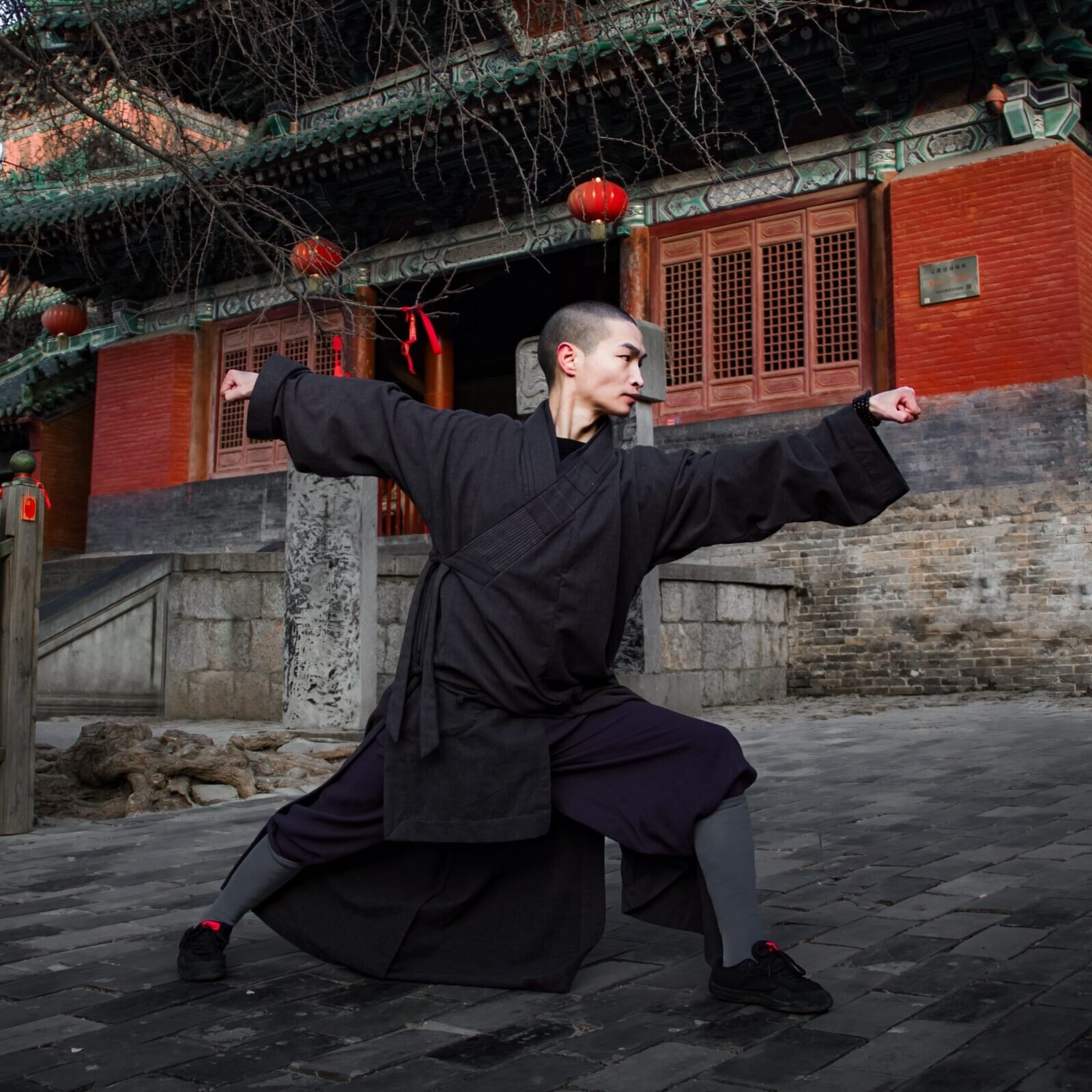
Da Tong Bei Quan (Great Tong Bei Fist) is characterized by broad and open movements, emphasizing body extension and the release of power. “Tong Bei” means “through the back”. This forms emphasizes that “the power rises from the ground, flowes through the waist and back, and reaches the limbs.” Although Da Tong Bei Fist mainly focuses on strength and explosiveness, it also pays attention to combining hardness and softness during the unfolding of power. This form harmonizes the principles of Yin and Yang reflecting the balance of Shaolin Kung Fu.
Xiao Hong Quan
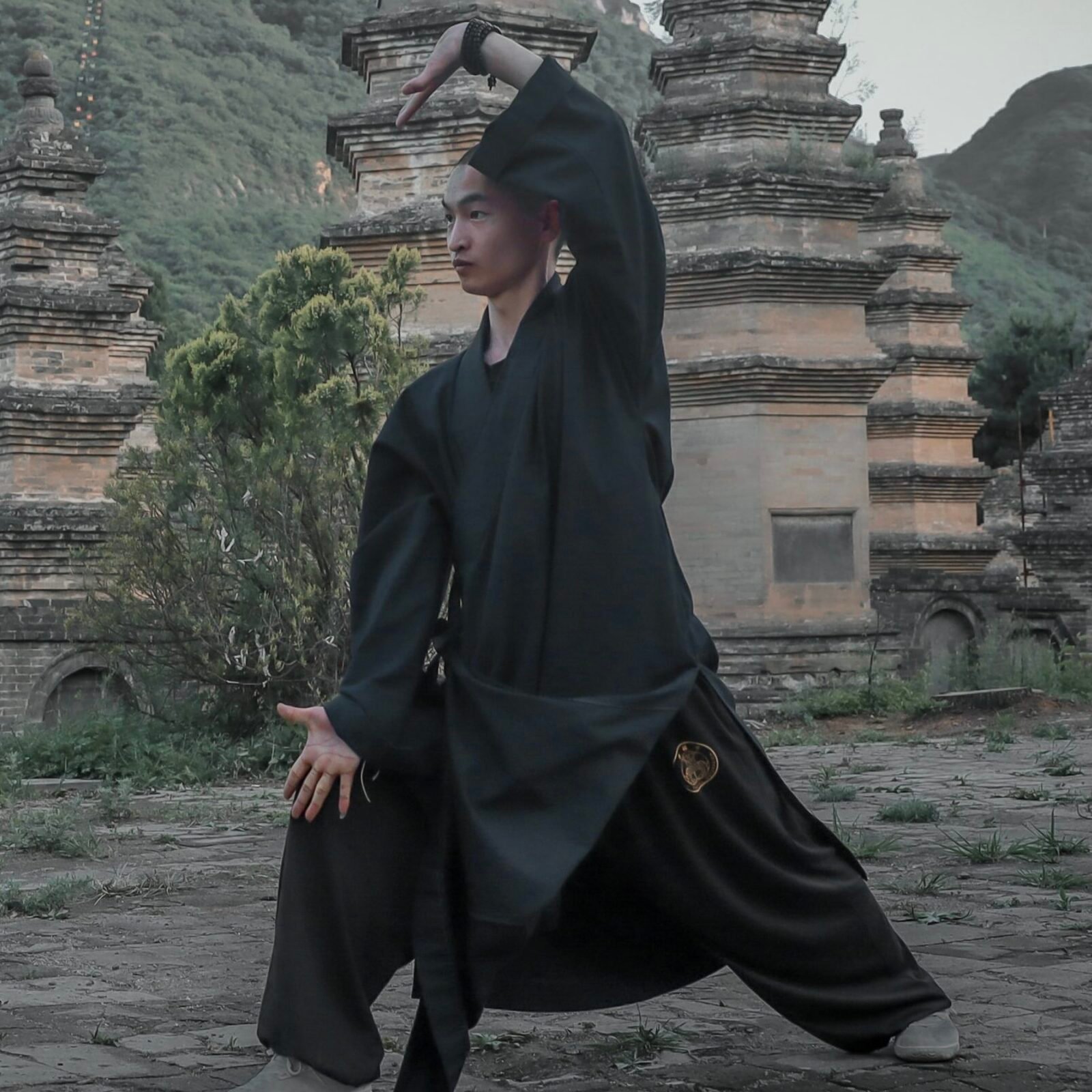
Xiao Hong Quan (Small Flood Fist) is a fundamental form required for Shaolin monks. Its primary purpose is to train both “gong” (power, spirit, energy, and strength) and “fa” (techniques of the hands, eyes, body, and footwork). It is known as “the foundation of form practice and the source of combat application.” Although Xiao Hong Quan is considered a basic systematic form (Taolu), its techniques are precise, well-structured, and combine offense and defense, making it highly practical for real combat. Flexibility and precision are key in this form. Xiao Hong Quan emphasizes close-range fighting, utilizing rapid punches, agile footwork, and defense and counterattacks, enabling practitioners to respond swiftly and effectively to various attacks in actual combat situations.
Da Hong Quan
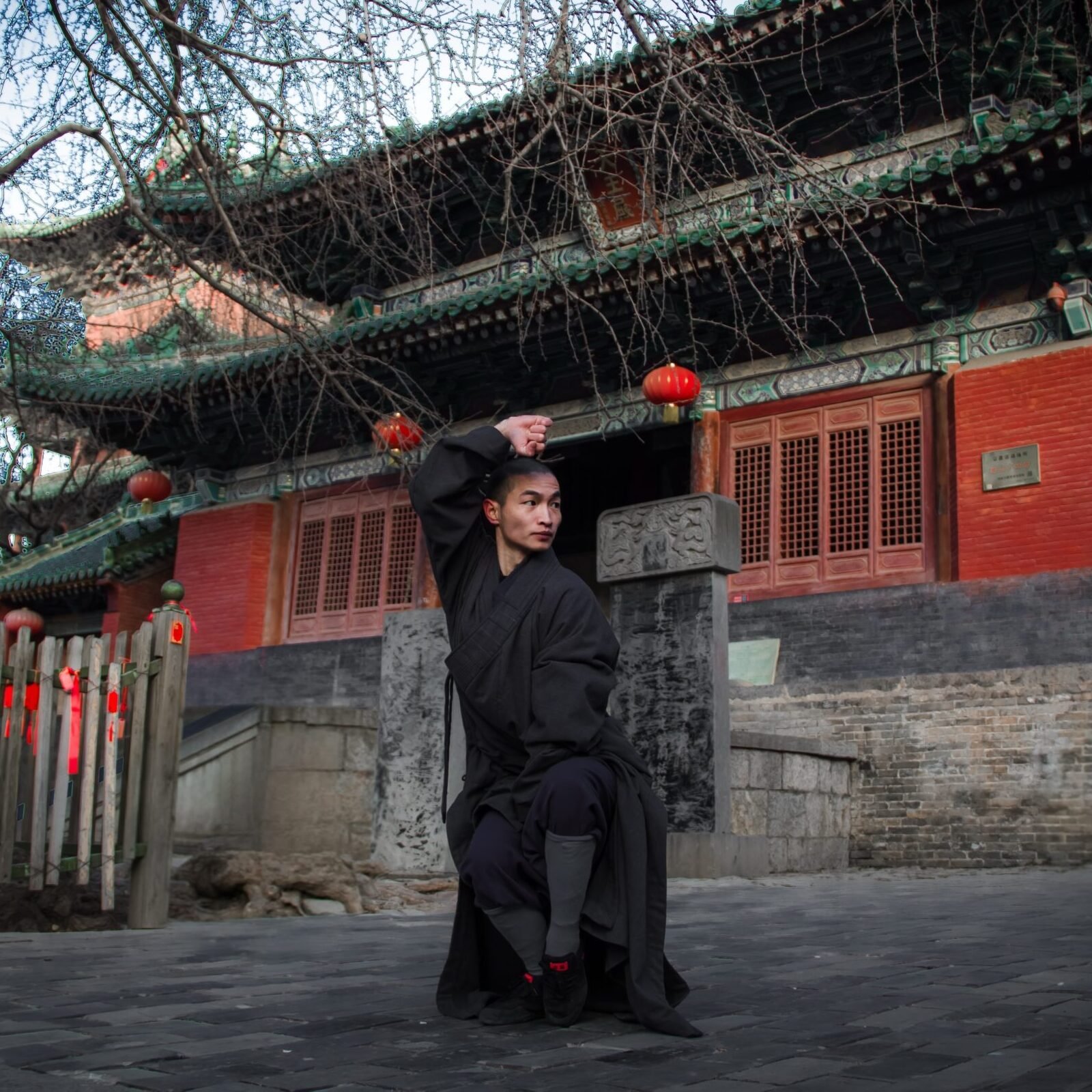
Da Hong Quan means “Great Flood Fist”. Although its name is similar to Xiao Hong Quan (Small Flood Fist), the two differ significantly in style, movement characteristics, and combat application. While Xiao Hong Quan is known for its flexibility, precision, and emphasis on technical skill, Da Hong Quan is renowned for its powerful and forceful execution, with simple but effective movements, and strong practicality. It focuses on the coordinated use of overall body strength and is especially practical in combat situations.
Er Lu Da Hong Quan
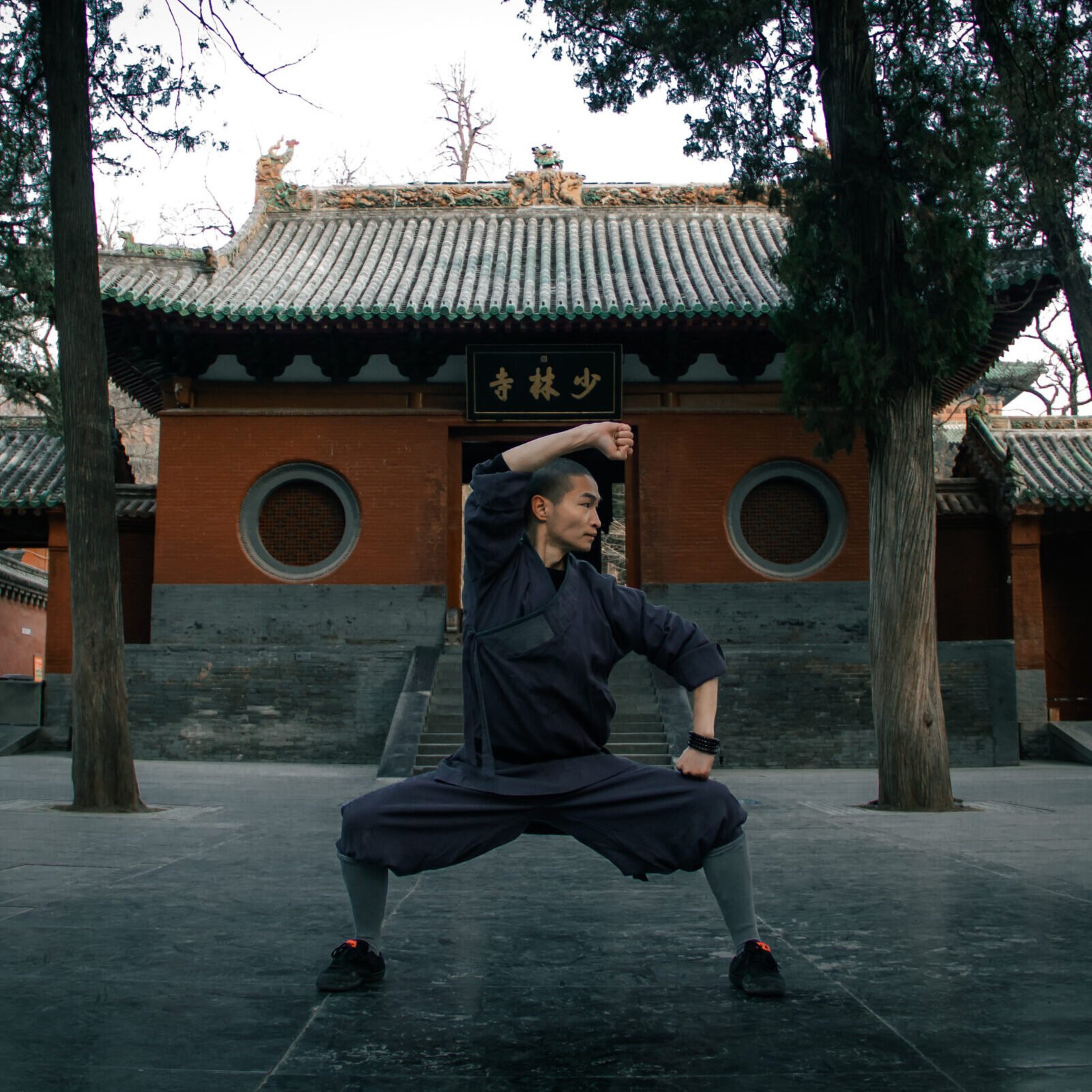
Er Lu Da Hong Quan (Second form of Great Flood Fist) is one of the key forms within the Da Hong Quan system. It was developed based on the first form of Da Hong Quan, placing great emphasis on variations in body movement, footwork, and the integration of offense and defense, making it even more combat-oriented. Er Lu Da Hong Quan not only keeps the powerful characteristics of the first form but also incorporates greater flexibility and practicality for real combat situations.
San Lu Da Hong Quan
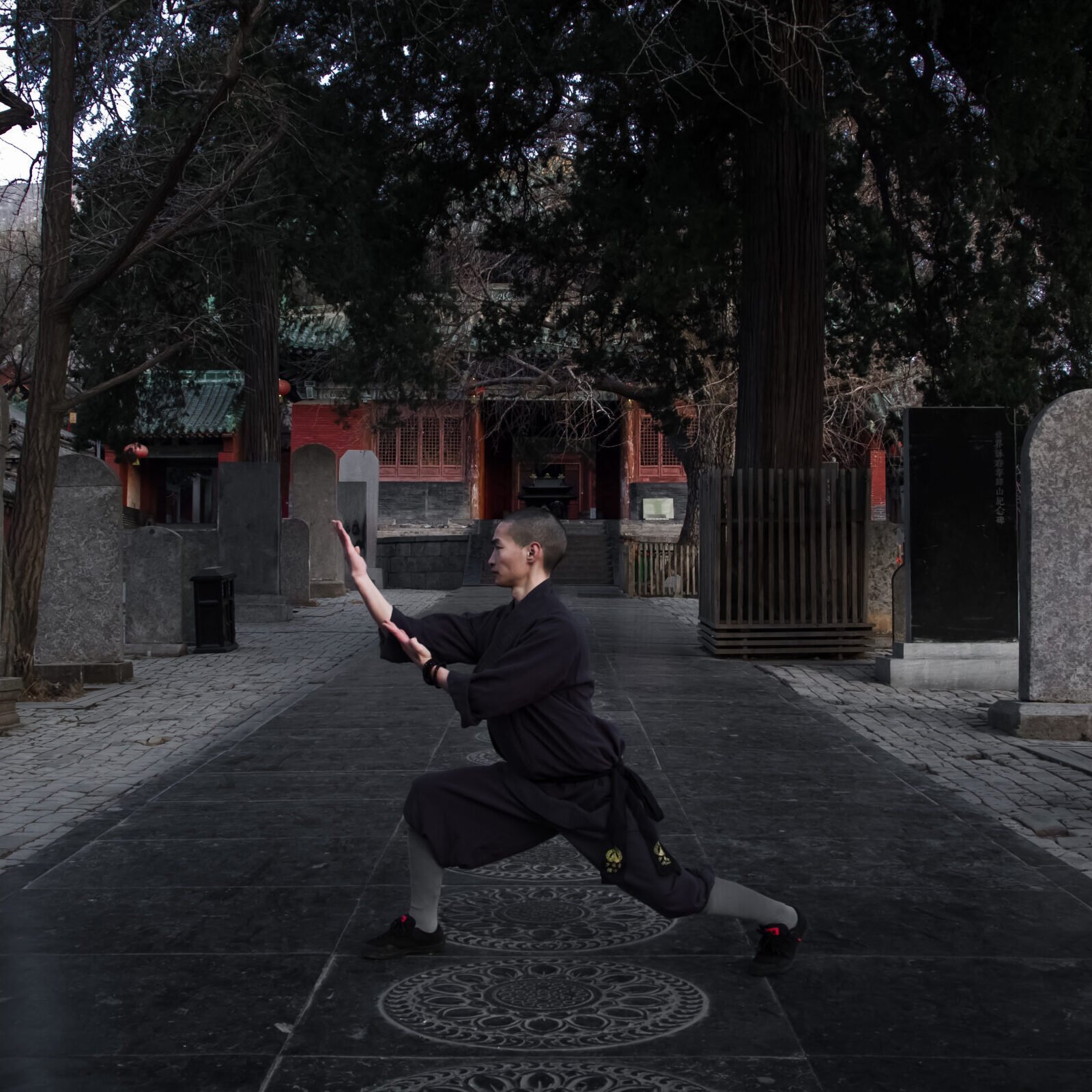
San Lu Da Hong Quan (Third form of Great Flood Fist) represents an advanced form within the Da Hong Quan system. It incorporates the essence of both the first and second form of the Da Hong Quan forms. Its footwork is deep and stable — as steady as a mountain — yet when strikes are executed, they are as fast, fierce and wild as a tiger’s attack. The fists strike like hammers, and the palms cut like sharp blades. The movements are flowing, with each technique containing both offensive and defensive elements. When mastered at the highest level, the practitioner achieves perfect unity between body and mind which in turn connects mind and power — reaching the following state: “when the fist moves, the intent (mind) moves; when the intent moves, the power follows.”
Liu He Quan
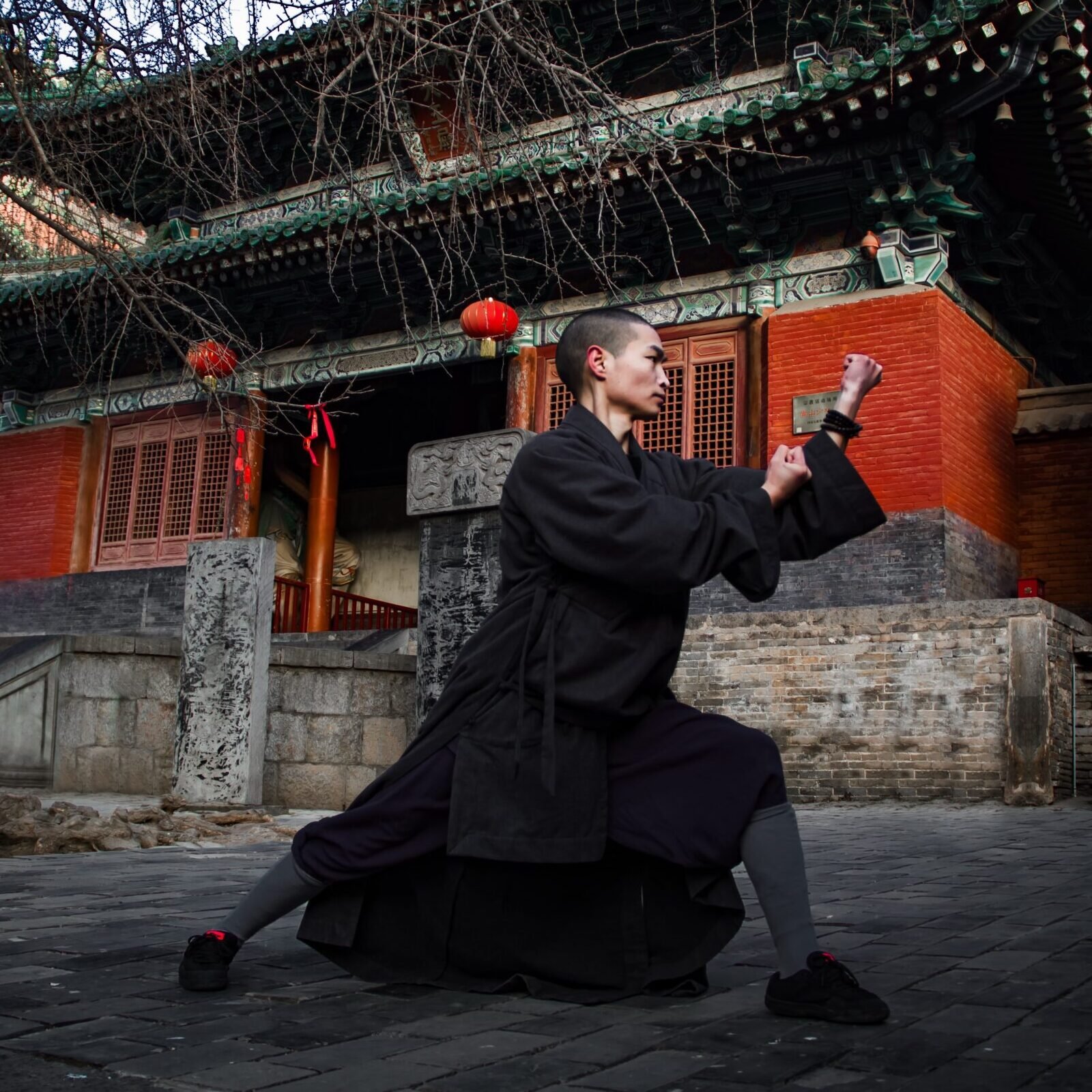
Liu He Quan (Six Harmonies Fist) is one of the classic forms within the Shaolin form system, centered around the concept of the “Six Harmonies” which states that the six elements of the body are in harmony. These harmonies are: the coordination of hands and feet, elbows and knees, shoulders and hips, and the unity of heart and mind, mind and Qi, Qi and strength.
This ensures that the body’s energy and power coordinate in a hamonious and flowing way. The form emphasizes both internal and external cultivation, striving for harmony between the two. Its unique “Six Harmonies” principle enables practitioners to fully develop body coordination and explosive power and to improve both defensive and counterattacking capabilities.
Qi Xing Quan
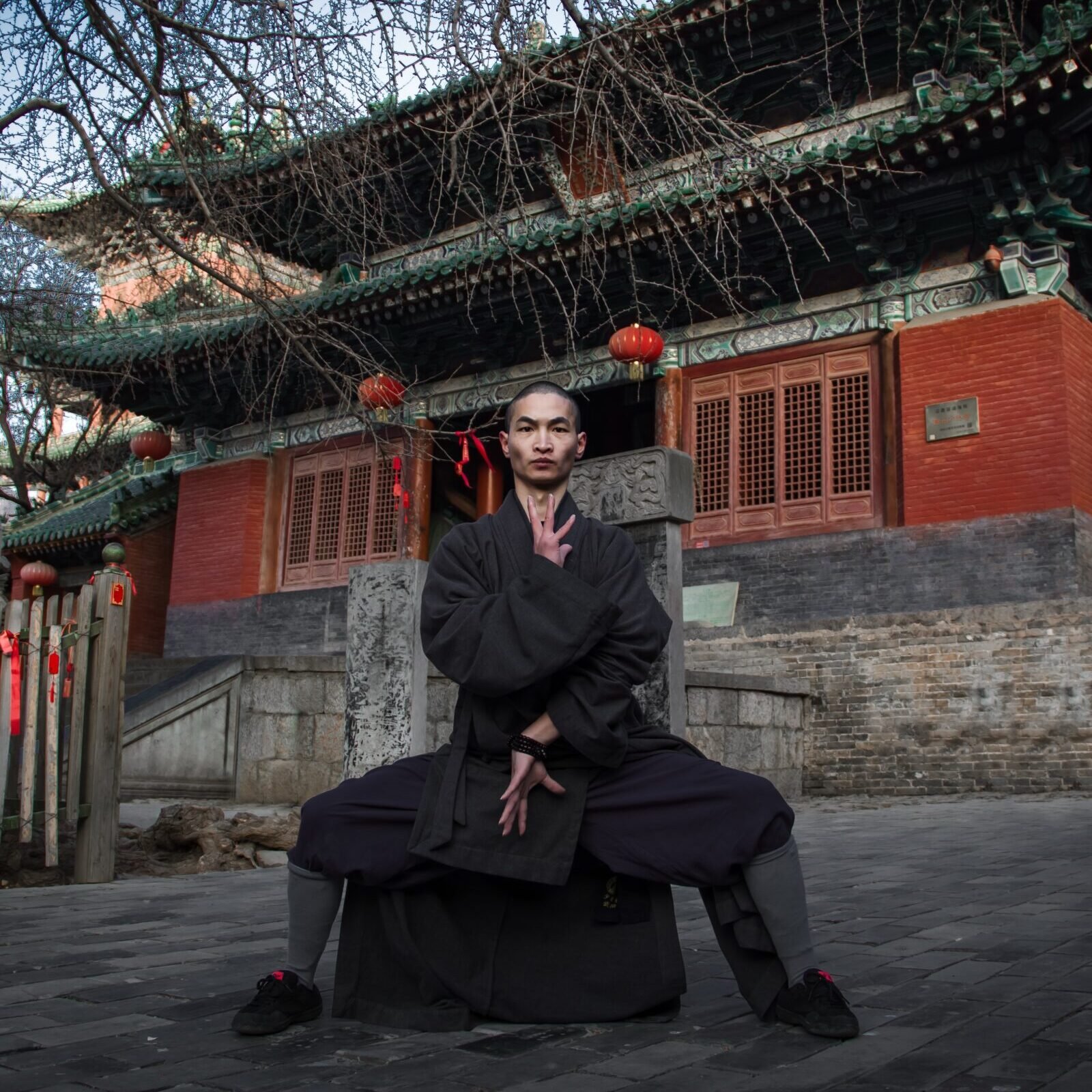
Qi Xing Quan (Seven Star Fist) is also one of the classic forms of the Shaolin form system. Named after the Big Dipper (Seven Stars), its structure and precision of techniques are said to be as exact and interconnected as the constellation itself. The form primarily focuses on short-range strikes, control techniques, rapid attacks, and close-contact throws. With its distinctive seven-star footwork and integrated offense-defense system, Qi Xing Quan is regarded as one of the most practical and valuable forms within Shaolin Kung Fu.
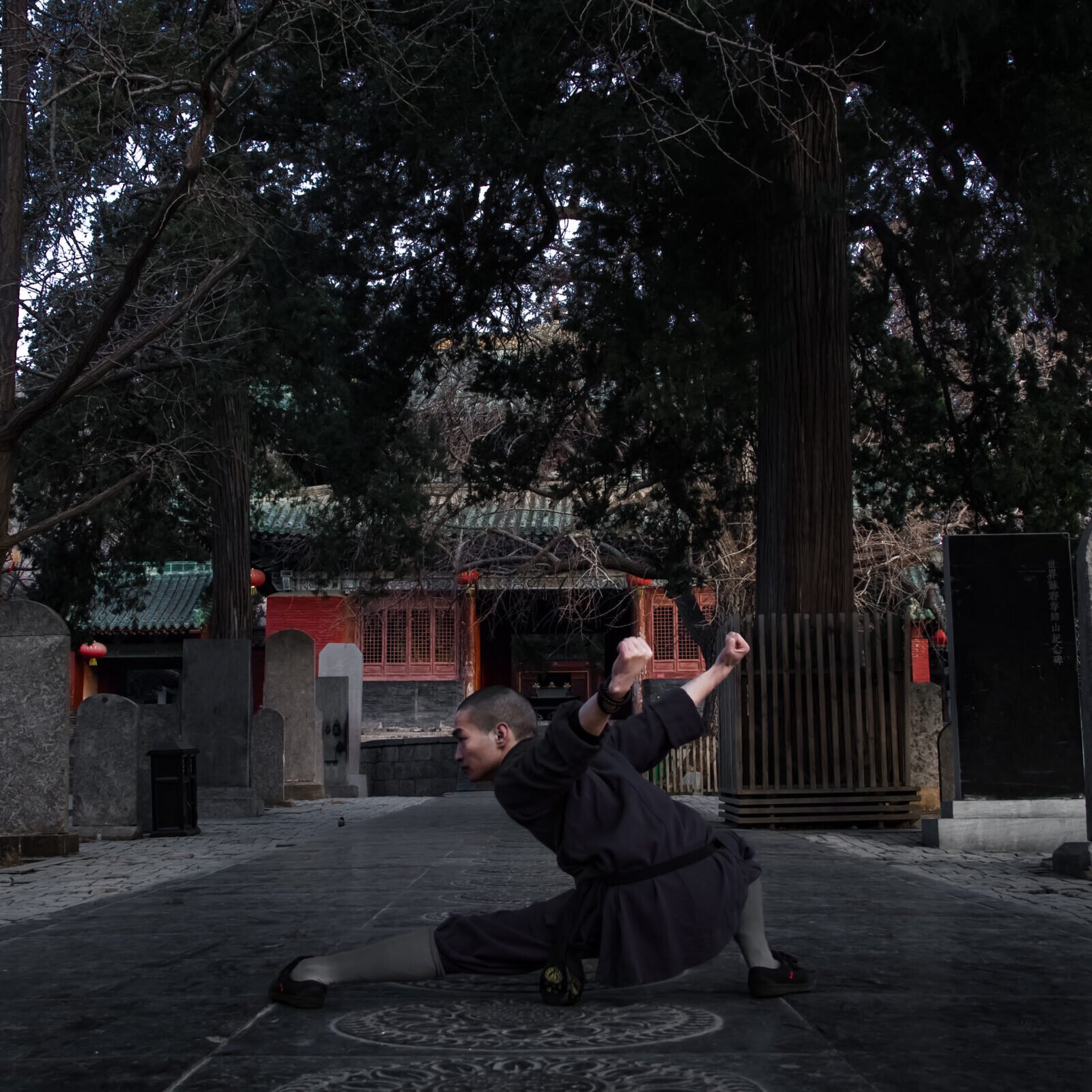
Xiao Luohan Quan
Xiao Luohan Quan (Small Arhat Fist) was created by eminent Shaolin monks based on the image and movements of the Arhats, and carries a strong Buddhist cultural influence. The movements are compact and fast, with agile and varied techniques that emphasize using skill to overcome strength, and speed to achieve victory. The form symbolizes the wisdom and vigilance of the Arhats.
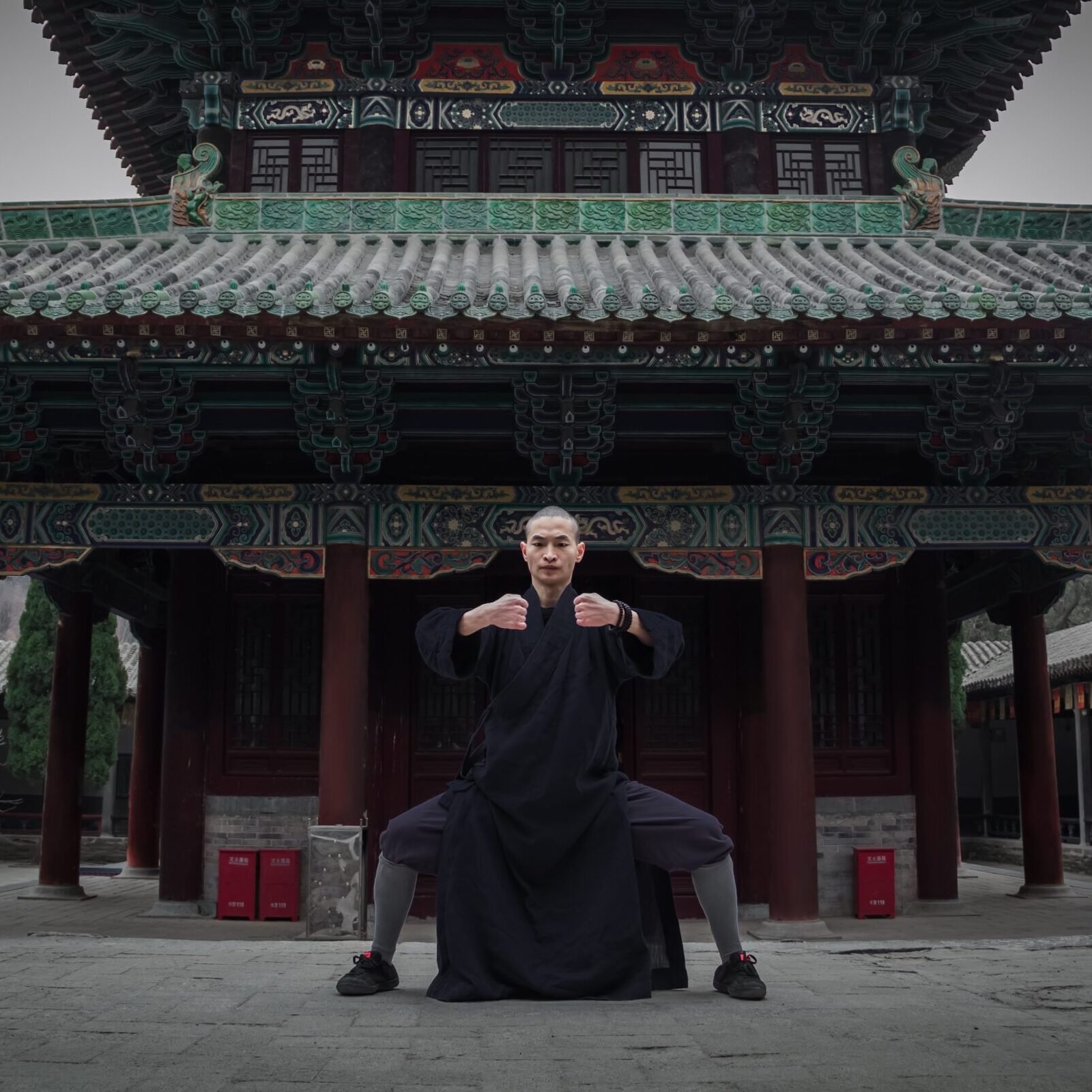
Da Luohan Quan
Da Luohan Quan (Great Arhat Fist) was also created by eminent Shaolin monks based on the image and movements of the Arhats. Its movements are powerful and forceful, embodying the Arhats’ courage and fearlessness. This form relies on overcoming strength with greater strength (hardness) and defeating opponents through power. Although Da Luohan Quan and Xiao Luohan Quan differ in movement style and training focus, both share the same core — the essence of the Arhats’ spirit.
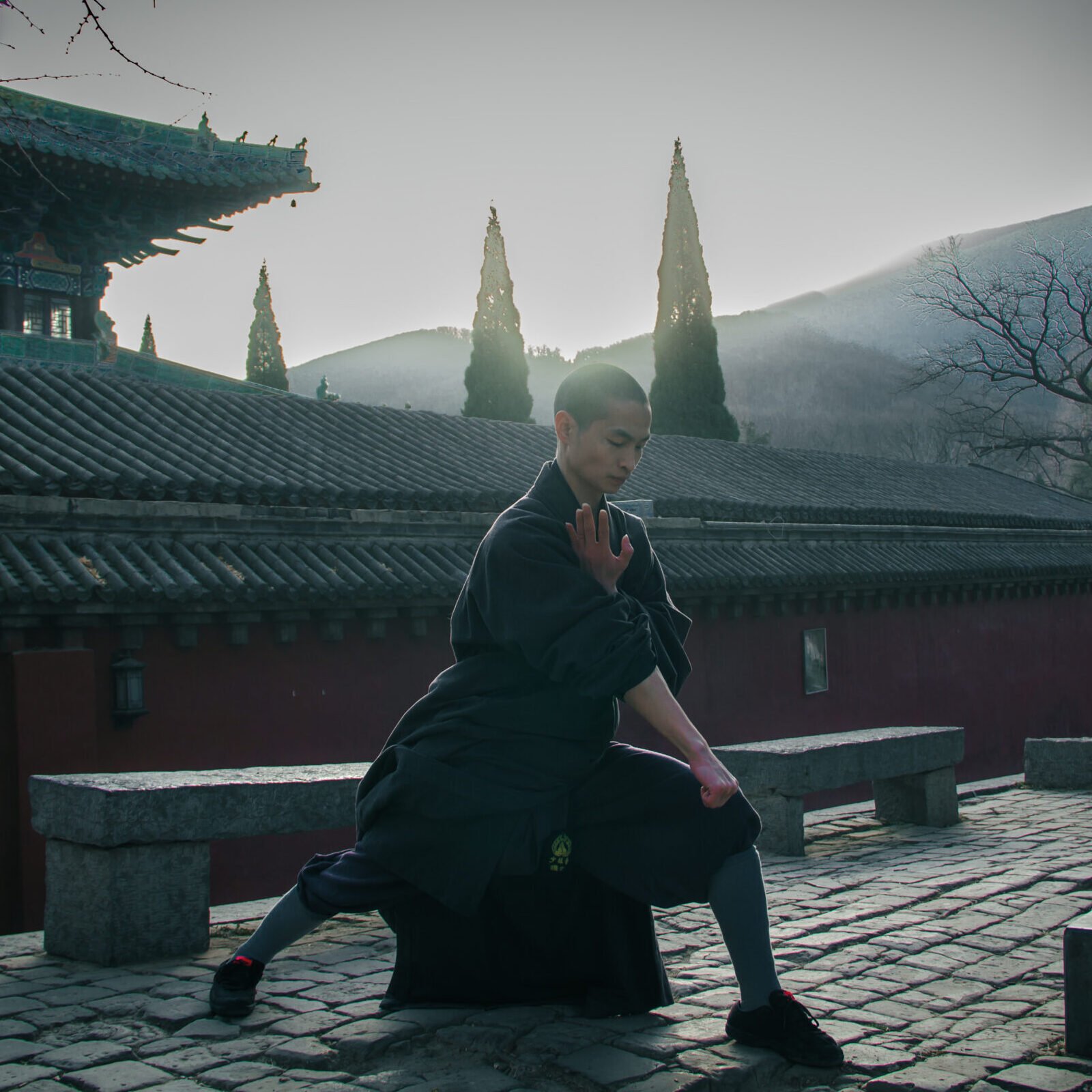
Changhu Xinyi Men
Chang Hu Xin Yi Men was created by Shaolin monks as a form to protect themselves from harm. The term “Chang Hu” means “long-term protection,” while “Xin Yi” emphasizes the unity of heart and mind. The movements focus primarily on defense, protecting the body’s vital areas. The form highlights the integration of mind and movement — following the principle: “when the heart moves, the intent moves; when the intent moves, the energy flows; when the energy flows, the power is released.” Its ultimate goal is the harmony and unity of body and mind.
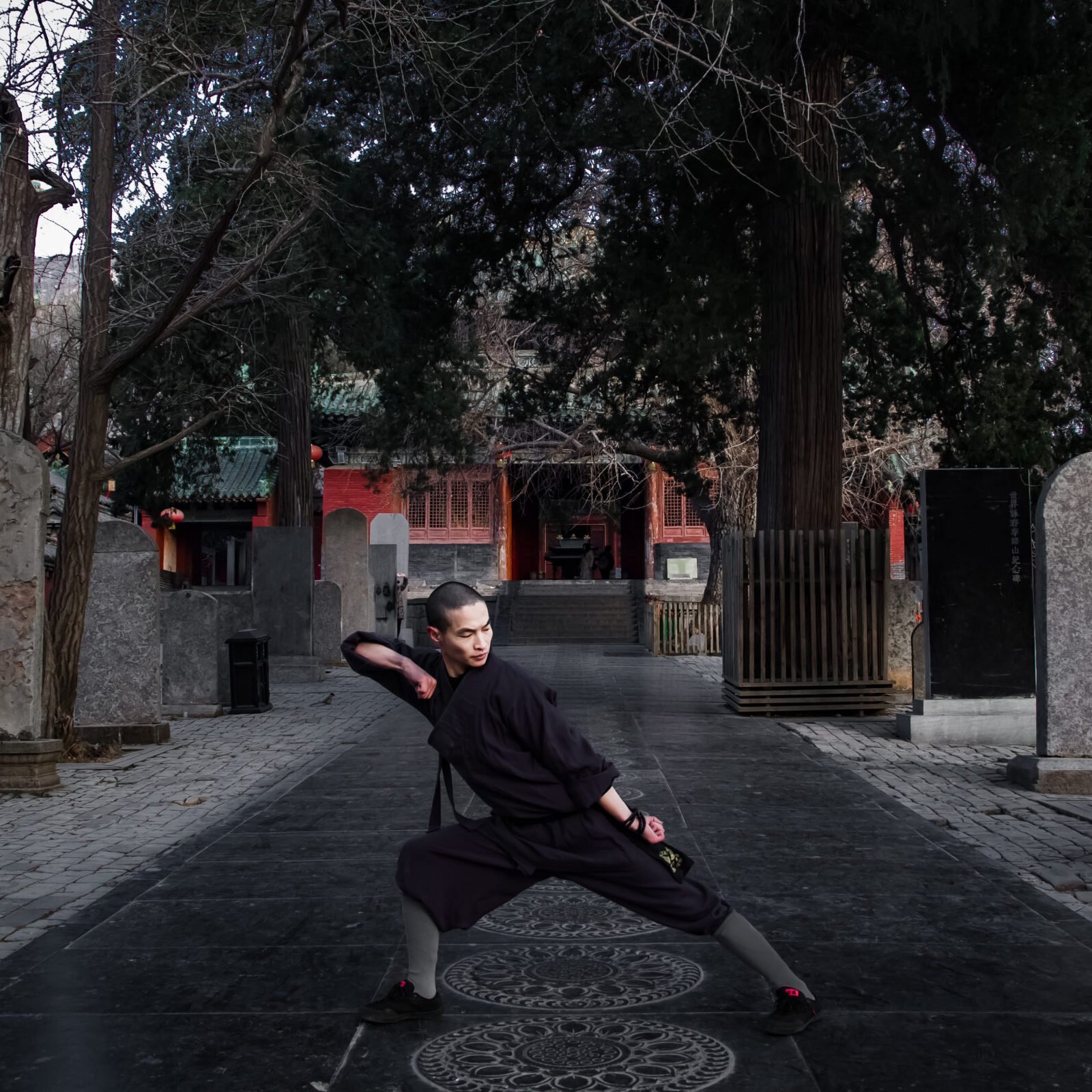
Taizu Chang Quan
Taizu Chang Quan (First emperor Taizu’s Long Fist) is an important component of Shaolin Kung Fu, with origins tracing back to the Song Dynasty. It was created by Zhao Kuangyin, founder of the Song-dynasty. He was not only the first emperor of the Song-dynasty but also a military general with extraordinary martial art skills.
During his long military career, he combined his combat experience to develop this form, which was used to train soldiers and enhance their fighting capabilities. The form was later introduced to the Shaolin Temple, where Shaolin monks integrated it with Shaolin Kung Fu and Chan (Zen) meditation, forming the distinctive Shaolin Taizu Chang Quan style. Its movements balance hardness and softness, combining offense and defense. The form emphasizes not only external strength and technique but also internal breath and cultivation of the mind. The movements are synchronized with the breath focussing on “strength through breathing (Qi)” which embodies the Shaolin principle of cultivating body and mind.
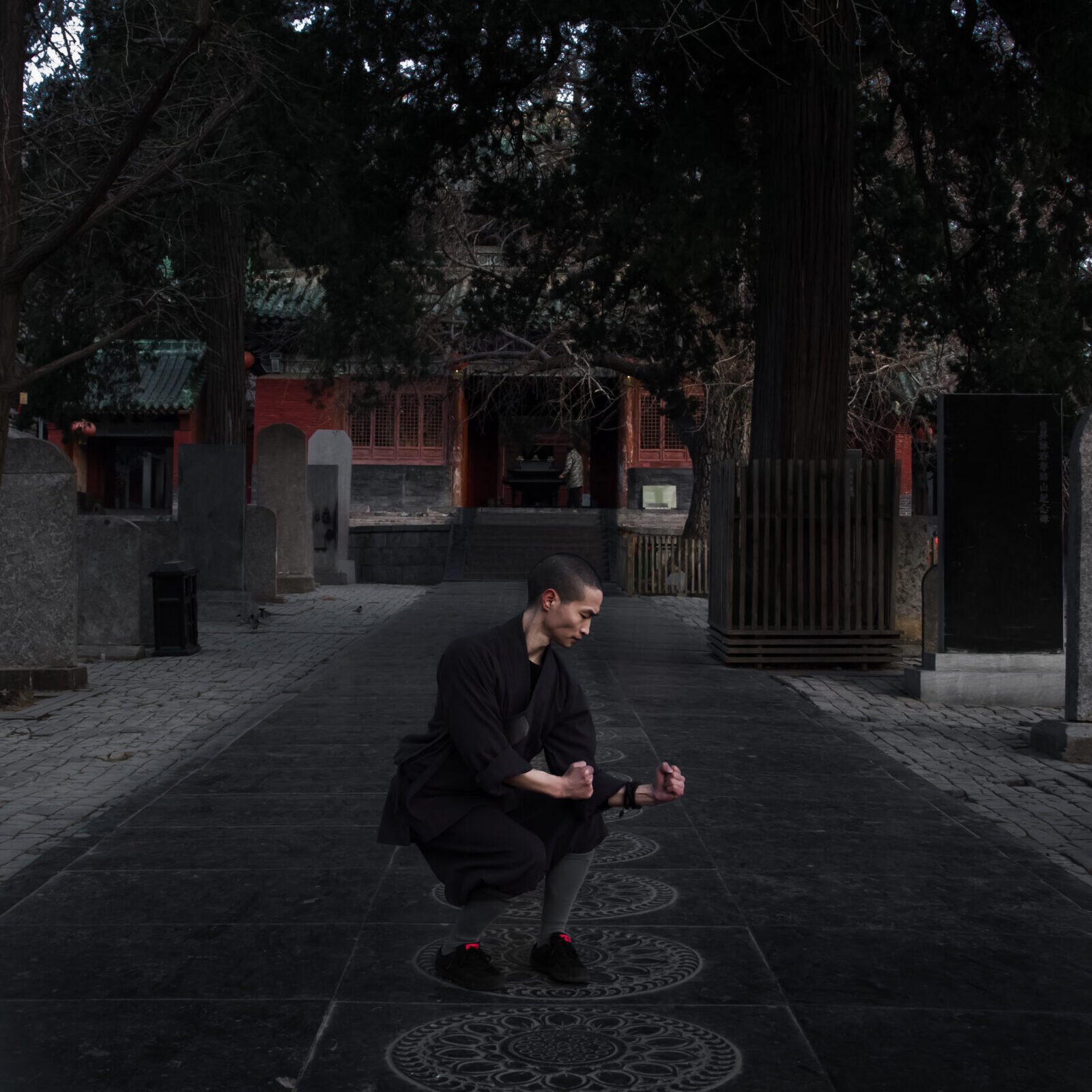
Xiao Pao Quan
Xiao Pao Quan (Small Cannon Fist) was created by Shaolin monks based on real combat experience. The word “Xiao” (small) refers to the compact, concise, and fast movements of the form, while “Pao” (cannon) describes its explosive power which reminds of strikes that burst forth like cannon fire.
This form focuses on speed and explosive force. The principle of Xiao Pao Quan emphasizes that fast movements can overcome low attacks and that hardness can win over softness.
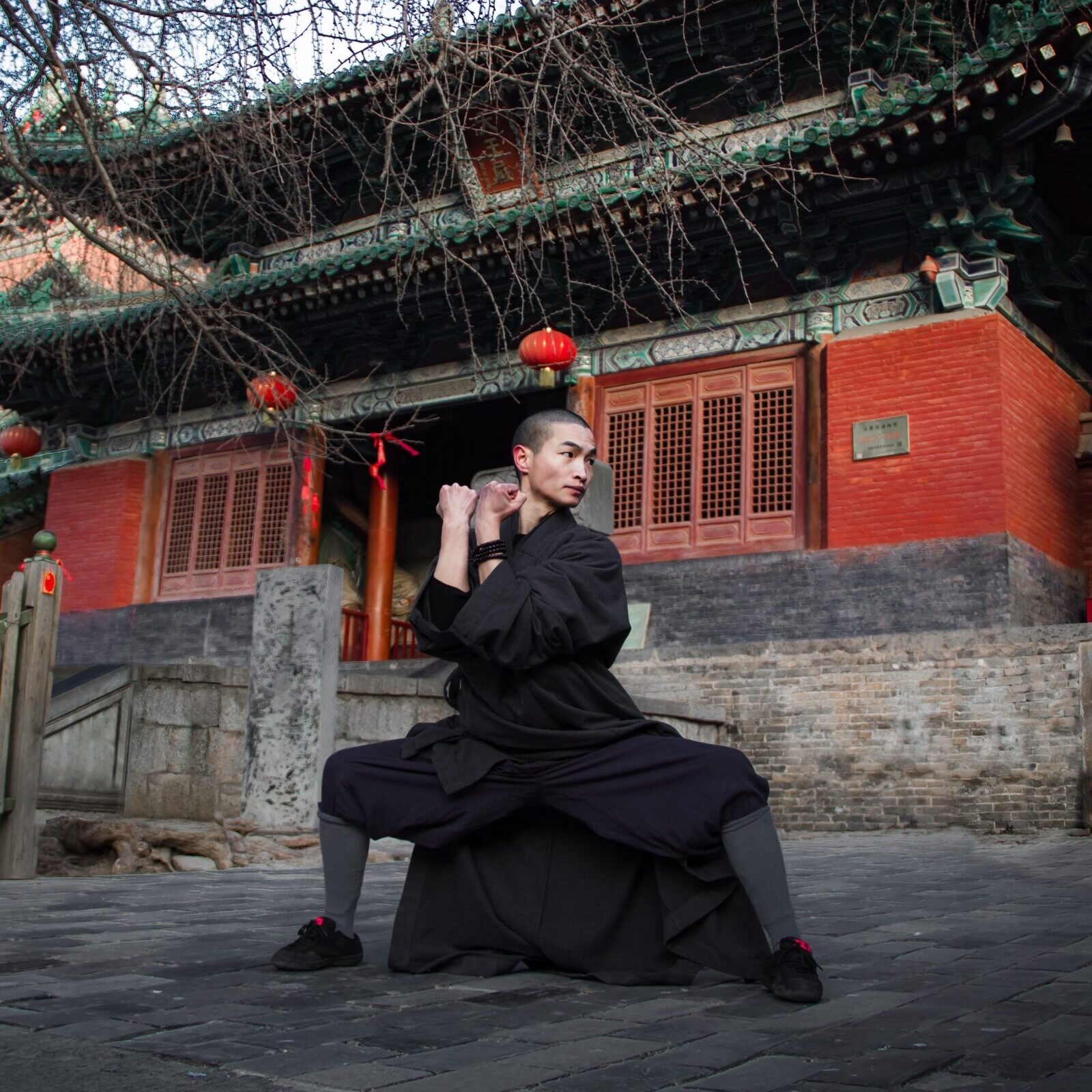
Da Pao Quan
Da Pao Quan (Great Cannon Fist), like Xiao Pao Quan, was created by Shaolin monks based on real combat experience. “Da Pao” means “big cannon”, which describes the powerful and explosive nature of this form. The movements of Da Pao Quan are large and expansive, emphasizing the use of wide and flowing techniques. It focuses on using the overall body strength and is especially suited for medium- to long-range offense and defense. The form follows the principle of “using strength (hardness) to overcome strength” and “power breaking through power,” meaning the strength of the attacker is defeated by your own strength.
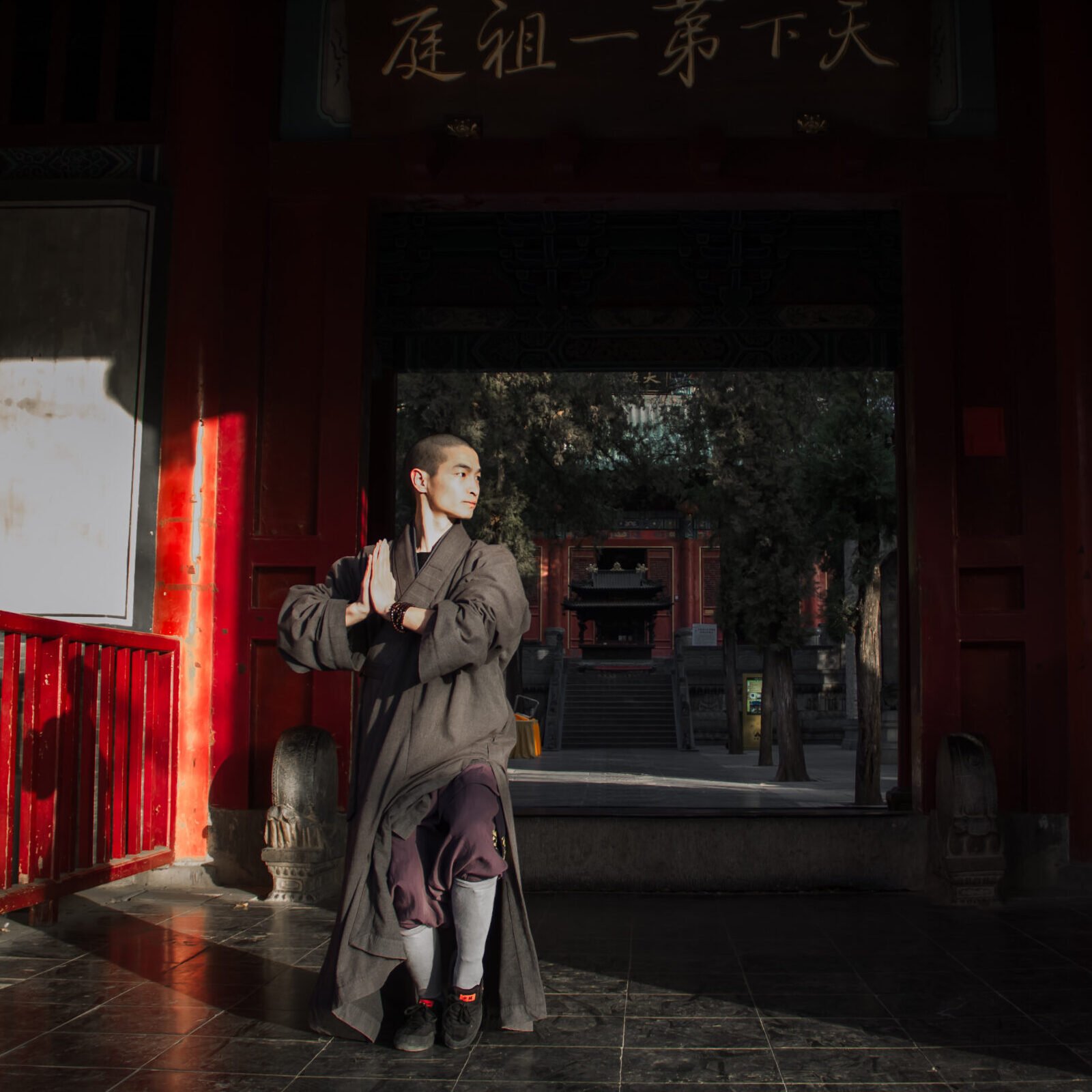
Chao Yang Quan
Chao Yang Quan, meaning “Rising Sun Fist”, is named after its movements, which are wide, graceful, and strong — embodying the spirit and energy of the rising morning sun and symbolizing vitality and energy. The form places great emphasis on the coordination of hand techniques, eye focus, body movements, and footwork. It also incorporates the principle of “using softness to overcome hardness” and “stillness to control motion.” Chao Yang Quan is not only effective for combat practice but also improves physical health and mental development.
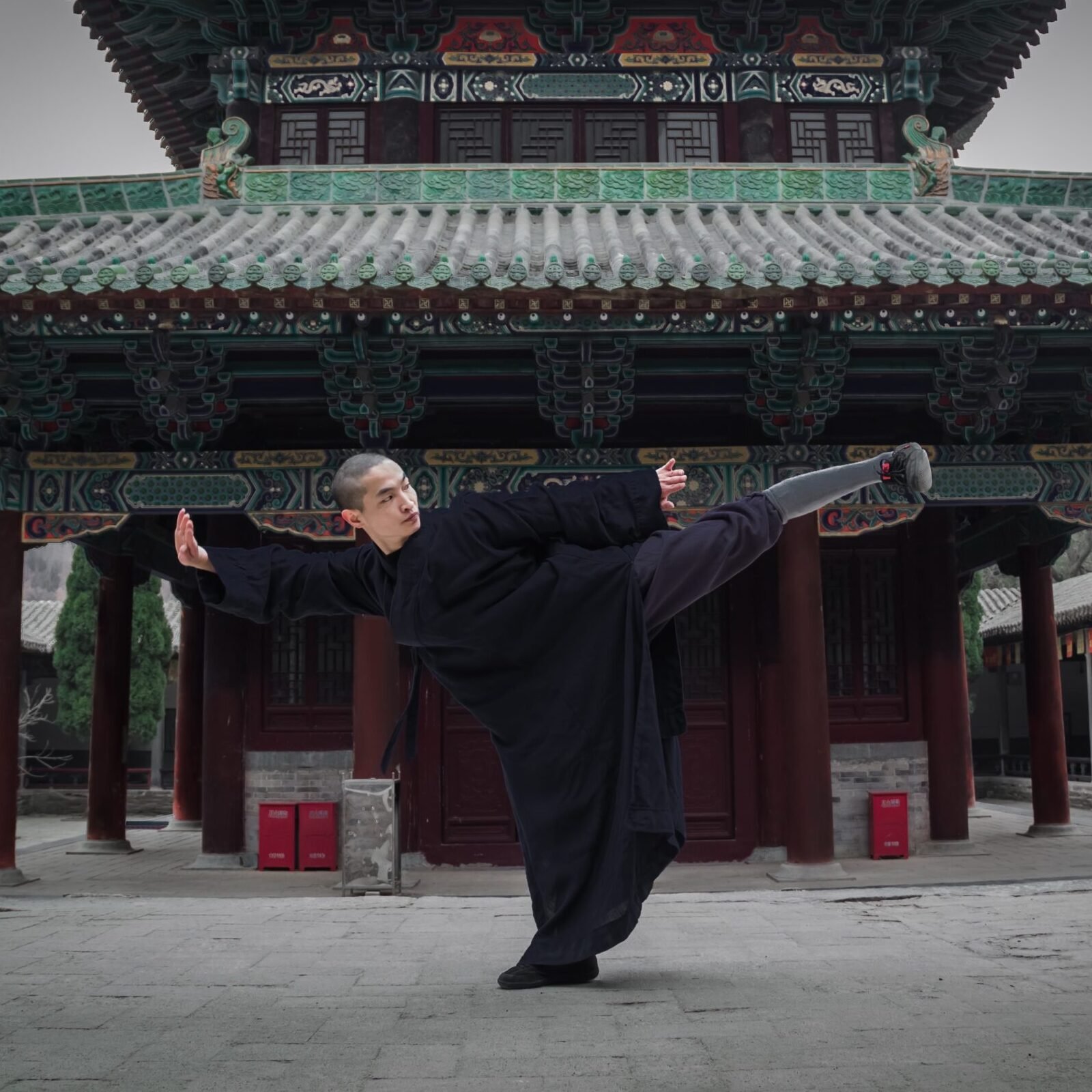
Shi Er Lu Tan Tui
Shi Er Lu Tan Tui (Twelve routes of the kicking leg) is a traditional kicking form in Shaolin Kung Fu, famous for its fast and fierce leg techniques, agile and versatile footwork, and the coordinated defensive use of the hands. It inherits the core features of traditional Shaolin Kung Fu and emphasizes the principle: “The hands are like two gates which fully rely on the legs to defeat the opponent.” This metaphor means that the hands serve as gates that lead, control and support both defense and attack, while in practice, the legs are the most powerful and decisive weapons. The leg muscles have greater force and the kicking techniques a wider attack range which produces a strong impact force. Shi Er Lu Tan Tui consists of twelve connected techniques, each containing different applications. It is an essential part of training for Shaolin monks and Kung Fu enthusiasts.
Luohan Shi Ba Shou
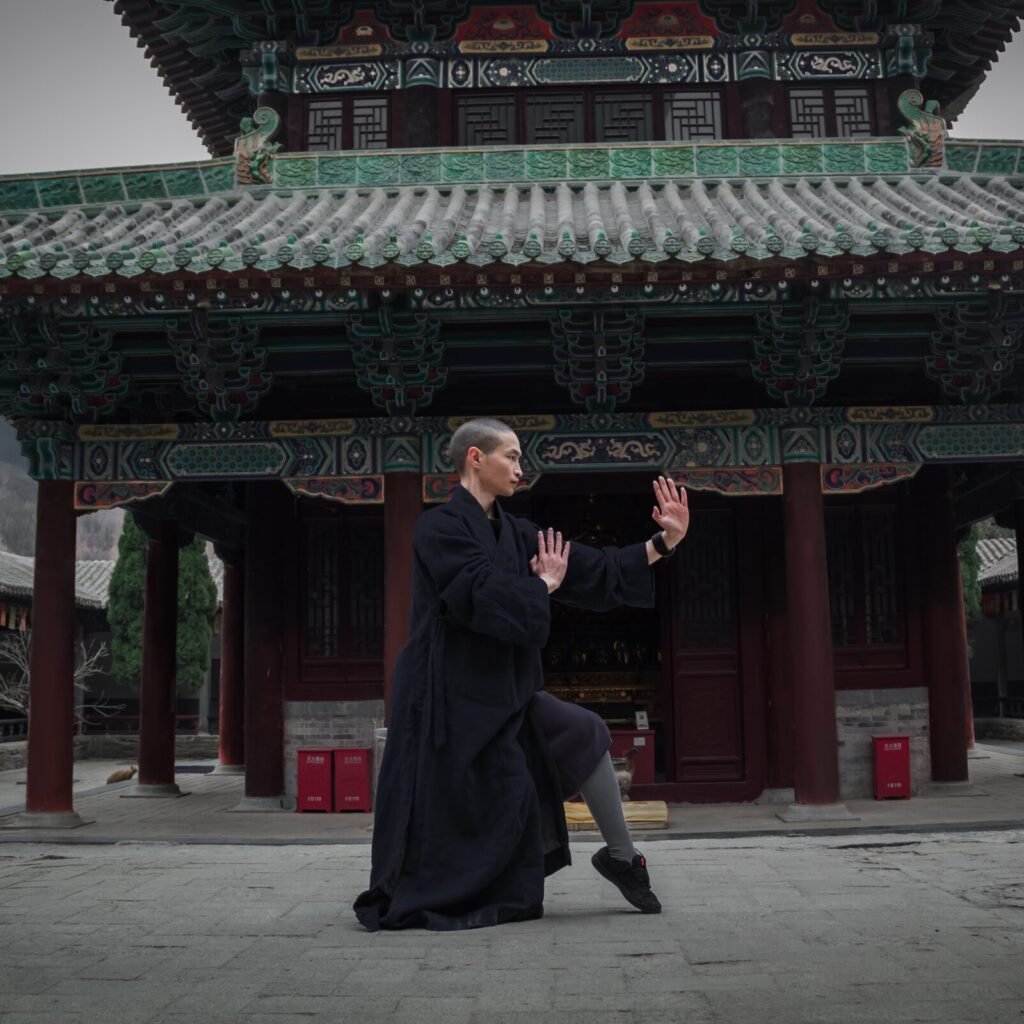
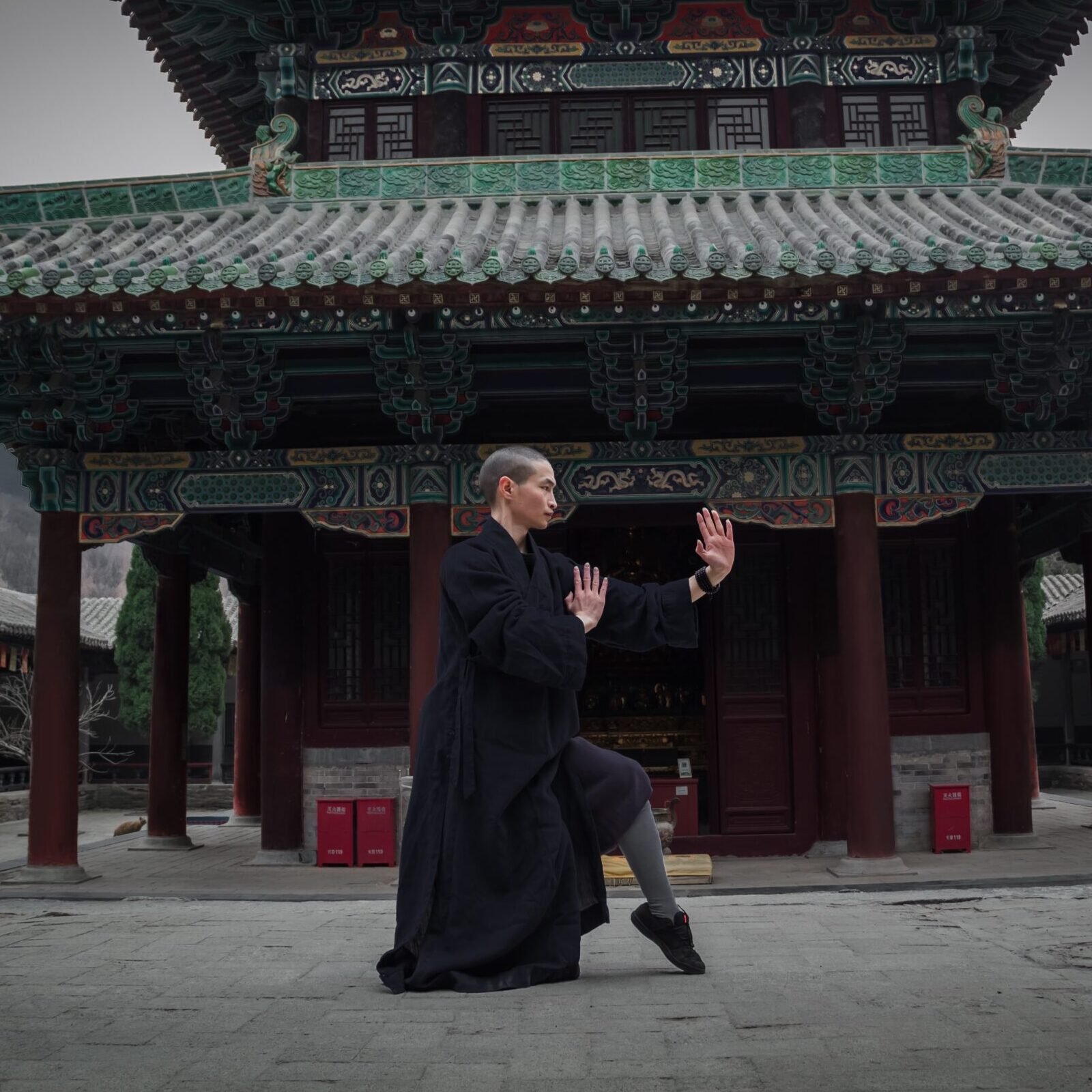
Luohan Shi Ba Shou, or “Eighteen Hands of the Arhat,” was developed by Shaolin monks during their spiritual practice to strengthen both body and mind and to defend themselves against enemies. In doing so, they combined the Buddhist “Arhat spirit” with martial movements. Thus, eighteen powerful techniques were created, known for their simplicity, practicality, and impressive strength. This form is highly popular among practitioners of Shaolin Kung Fu.
Da Meihua Quan
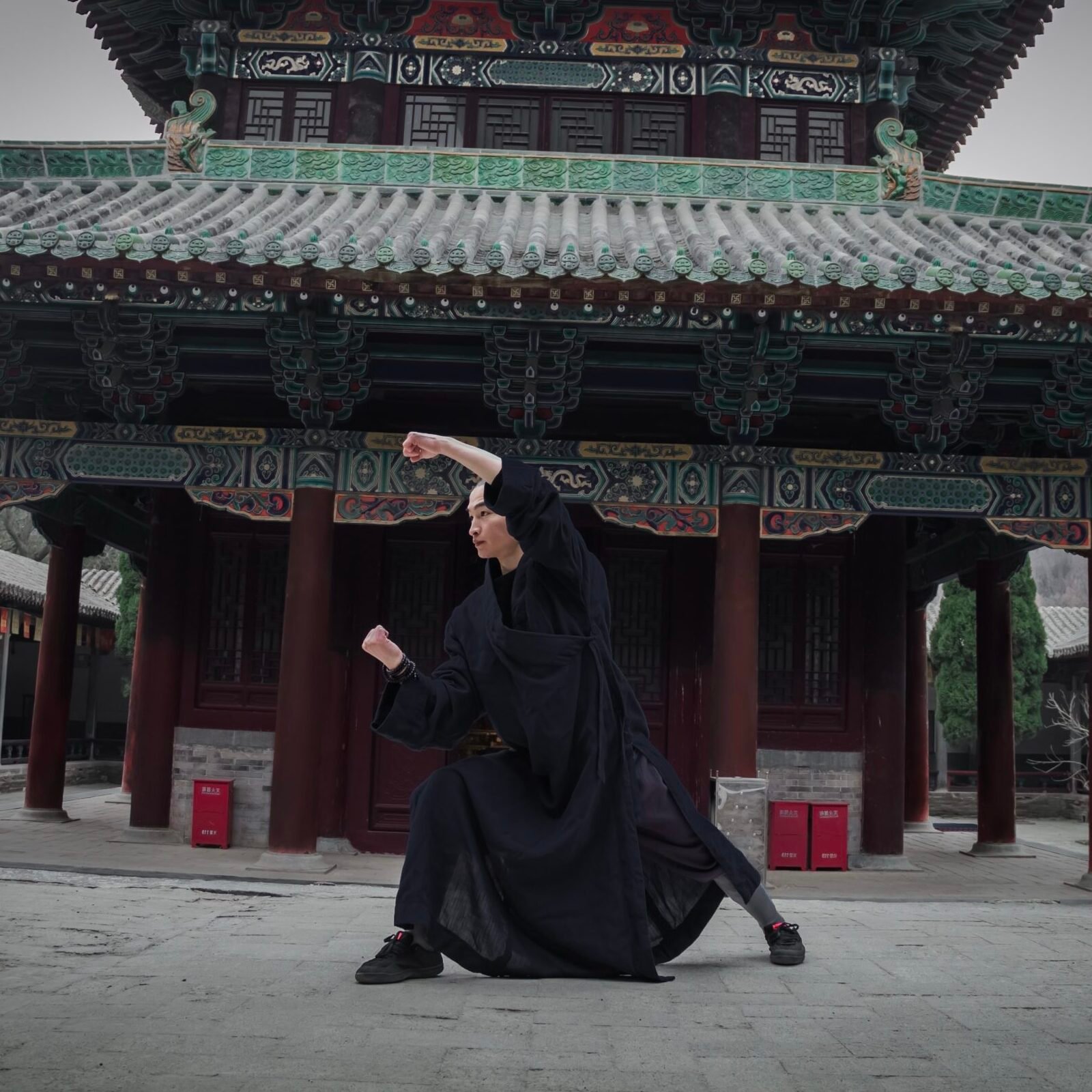
Shaolin Da Meihua Quan (Great Plum Blossom Fist) traces its origins back to the Ming Dynasty. It was created by Shaolin monks who combined the spirit and symbolism of the plum blossom with martial arts techniques. The plum blossom represents resilience and purity, qualities that this form embodies. Through generations of transmission and refinement by Shaolin monks, Da Meihua Quan gradually became one of the most important forms in Shaolin Kung Fu. Symbolizing the five petals of the plum blossom, it emphasizes “Five continuous movements or stances”: beginning with the starting stance to observe the opponent, transitioning to a offensive stance to launch an attack; if the opponent counterattacks, shifting into a defensive stance to gather strength; then using the transition stance to adjust position, and finally the stabilizing stance to establish a fixed strategy. Its movements combine hardness and softness, offer offense and defense techniques, and display both strong combat practicality and graceful aesthetics.
Wu Bu Quan
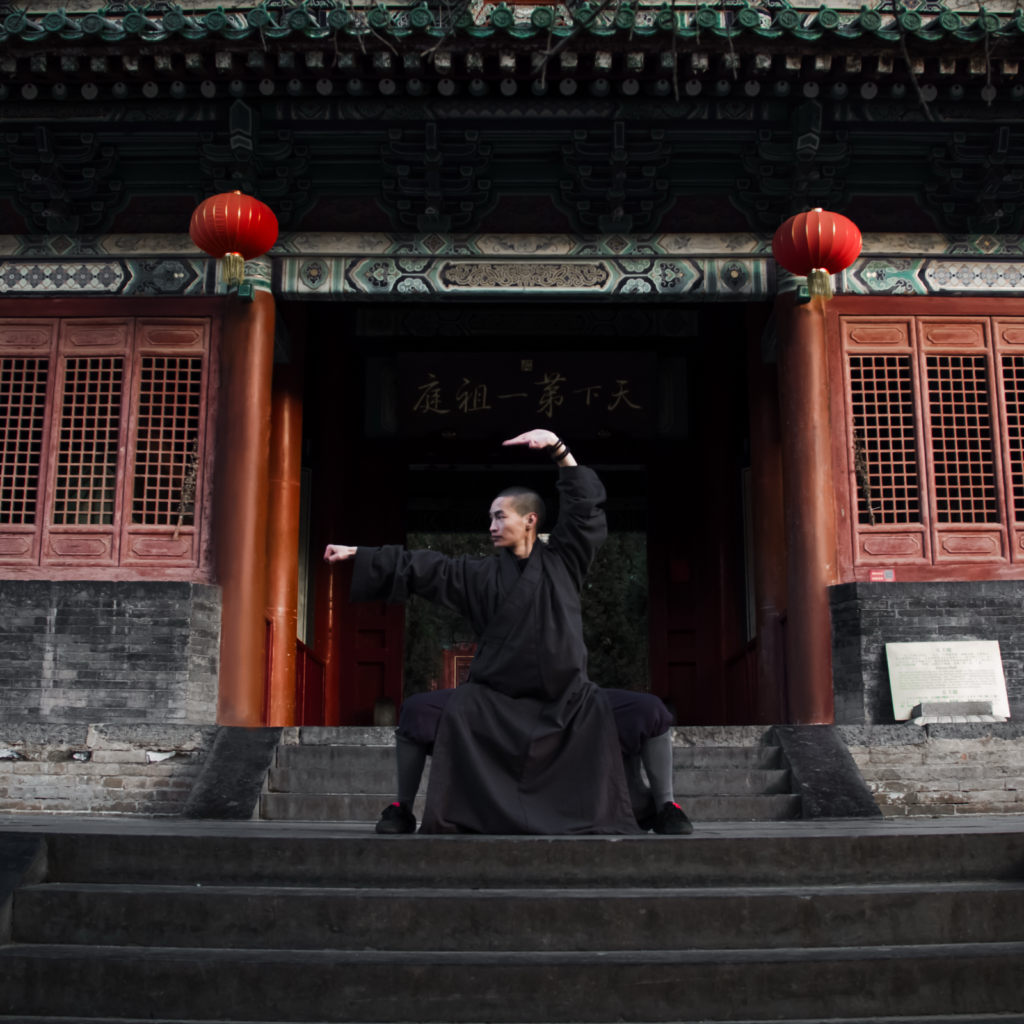
Wu Bu Quan (Five-Step Fist) is one of the basic introductory forms of Shaolin Kung Fu, making it very suitable for beginners to practice. It is composed of five fundamental stances — the bow stance (Gong Bu), horse stance (Ma Bu), crouching stance (Pu Bu), empty stance (Xu Bu), and resting stance (Xie Bu) — combined with attack techniques such as straight punches (Chong Quan) and chopping palm attacks (Pi Zhang). The form is simple and easy to learn, yet multi-layered. It helps beginners master basic footwork and hand/fist techniques, while improving coordination, strength, and balance. Although Wu Bu Quan appears simple, it embodies the essence of traditional Kung Fu and serves as an essential part of training which practitioners should not ignore.
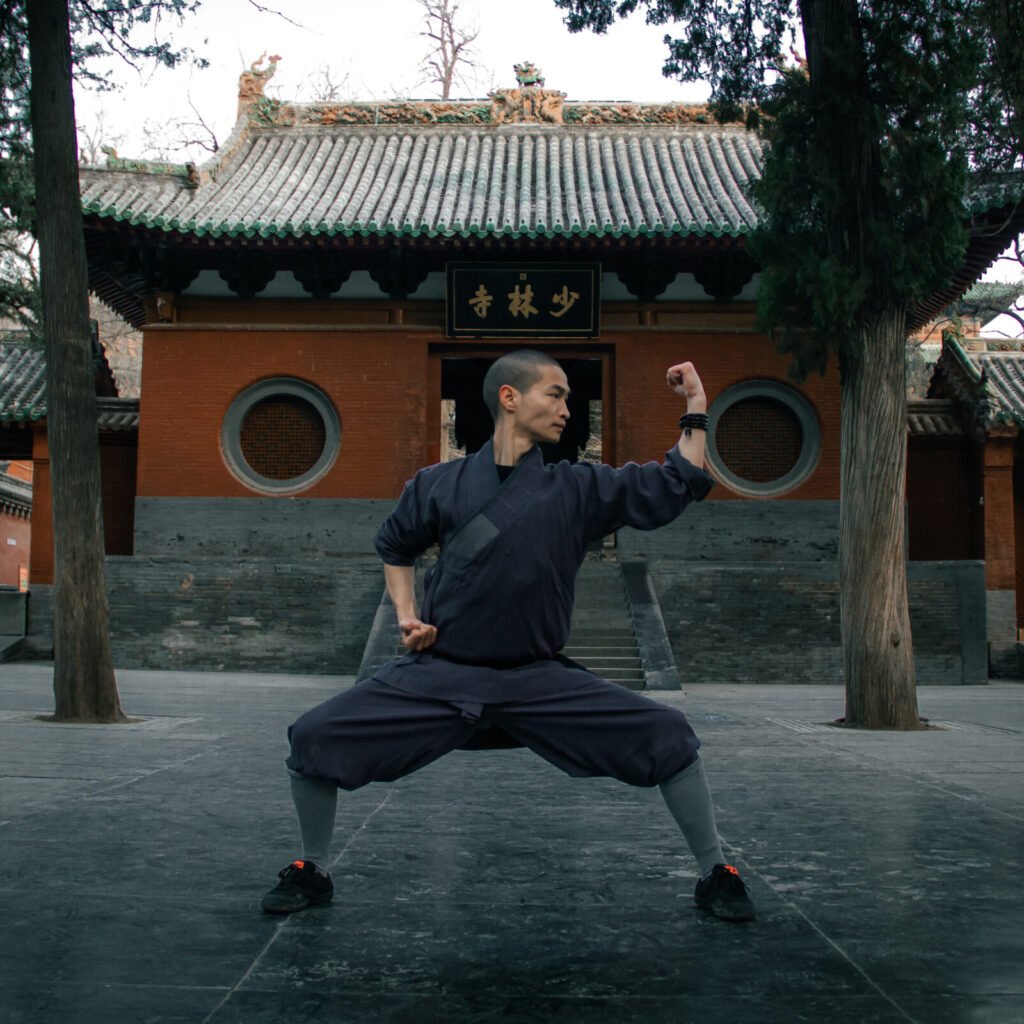
Lian Huan Quan
Lian Huan Quan (Linked Chain Fist) was developed and refined by Shaolin warrior monks through long-term fighting experience and practice. Over generations of Shaolin warrior monks, it has been continuously refined and gradually an unique style and own system was formed. As its name “Lian Huan” (linked chain) suggests, the form emphasizes continuous flowing transitions between movements. Punches, kicks, and steps seamlessly connect and turn into one fluid sequence. The form is powerful and forceful, combining both offense and defense, and has long been beloved by Kung Fu enthusiasts.
Today, Shaolin Lian Huan Quan is recognized as a National Intangible Cultural Heritage of China, and is preserved as well as passed along to the next generations.
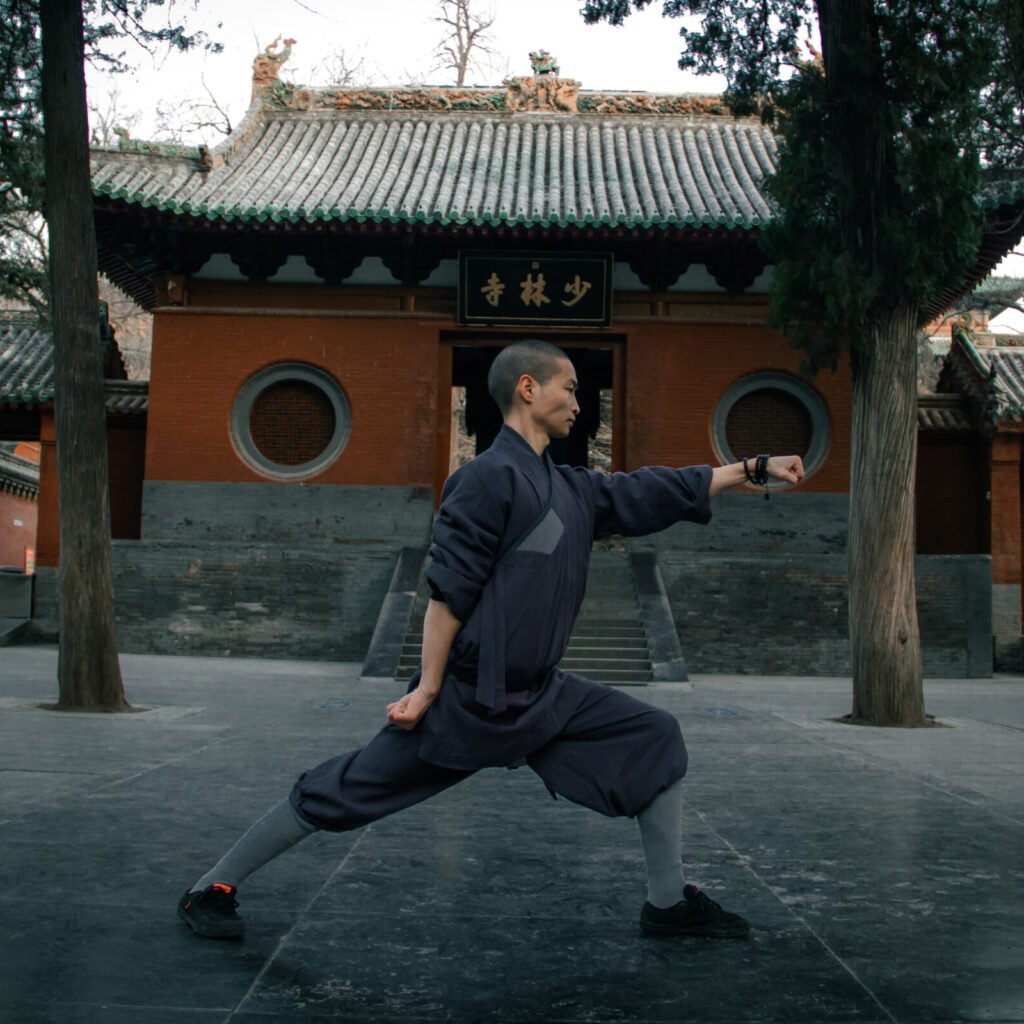
Shi San Quan
Shi San Quan (Thirteen Fist Form) is a short-fist form within Shaolin Kung Fu, consisting of thirteen main movements, each embodying the principles of Kung Fu combat techniques. With its simple and easy-to-learn movements, which are powerful and vigorous and combine offense and defense, it has long been cherished by martial arts practitioners in China.
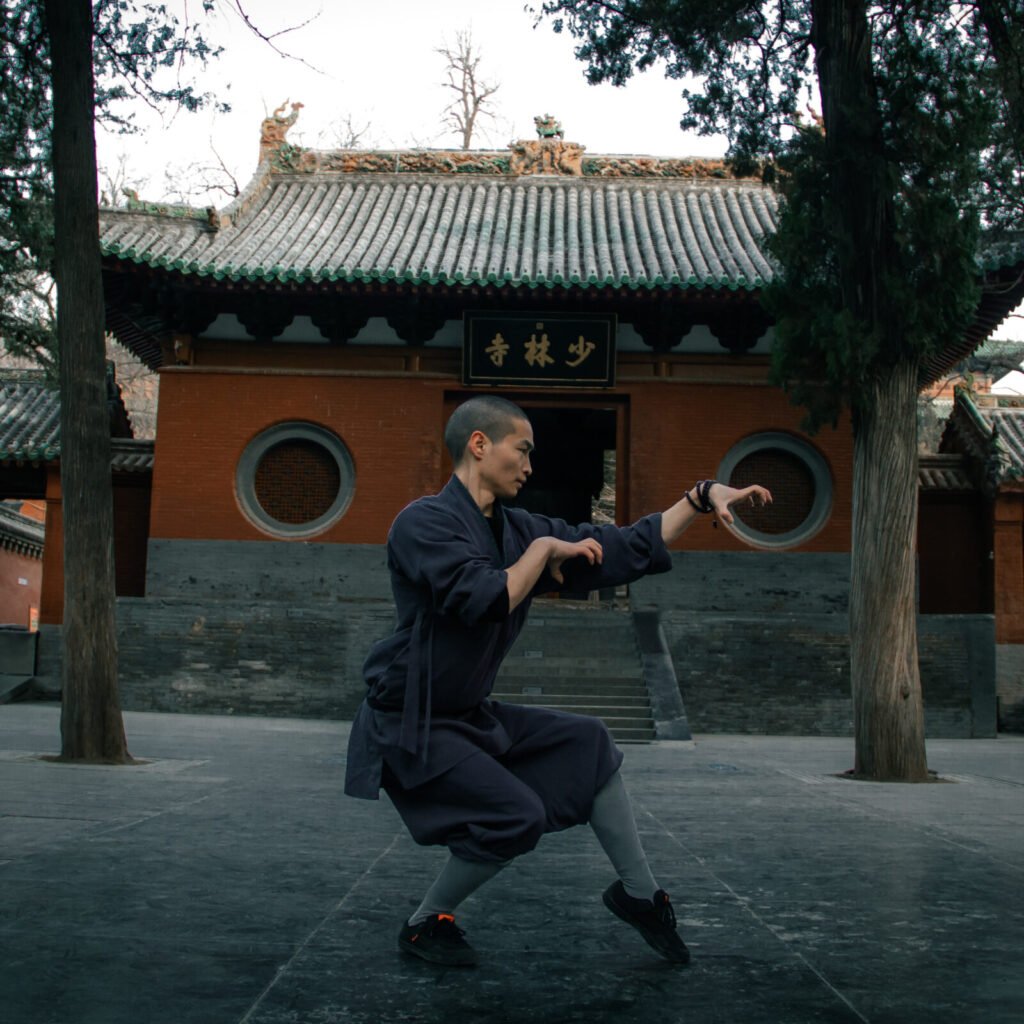
Wu Xing Quan
Wu Xing Quan (Five Animal Fist) is one of the important forms of the Shaolin form system. Inspired by the forms and movements of five animals — the dragon, tiger, crane, snake, and leopard — it combines the strength and agility characteristic of Shaolin Kung Fu. The Five Animal Fist emphasizes not only external resemblance to the animals’ shapes but also the internal embodiment of their spirit and energy. Through imitating the characteristics of these animals, the aim is to strengthen the body, promote health, cultivate character, and enhance combat skills.
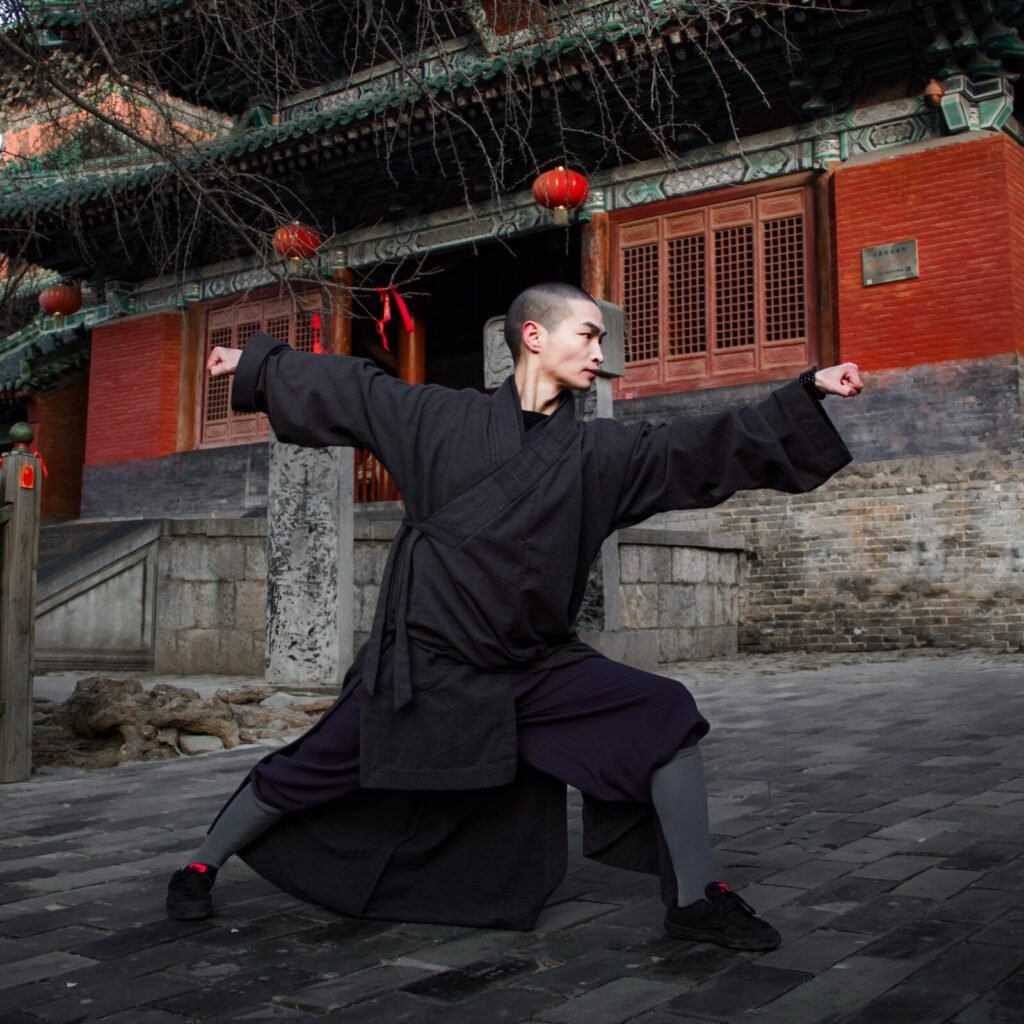
Da Tong Bei Quan
Da Tong Bei Quan (Great Tong Bei Fist) is characterized by broad and open movements, emphasizing body extension and the release of power. “Tong Bei” means “through the back”. This forms emphasizes that “the power rises from the ground, flowes through the waist and back, and reaches the limbs.” Although Da Tong Bei Fist mainly focuses on strength and explosiveness, it also pays attention to combining hardness and softness during the unfolding of power. This form harmonizes the principles of Yin and Yang reflecting the balance of Shaolin Kung Fu.
Xiao Hong Quan
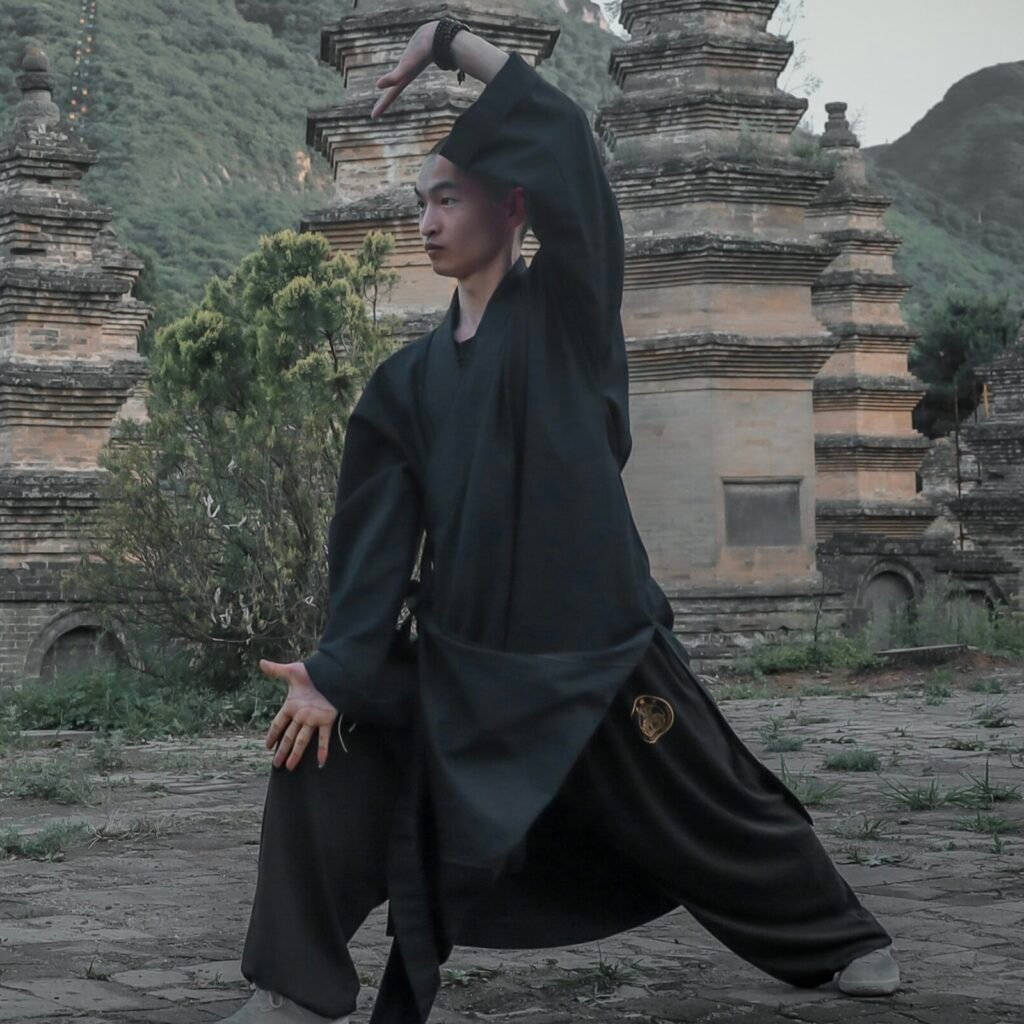
Xiao Hong Quan (Small Flood Fist) is a fundamental form required for Shaolin monks. Its primary purpose is to train both “gong” (power, spirit, energy, and strength) and “fa” (techniques of the hands, eyes, body, and footwork). It is known as “the foundation of form practice and the source of combat application.” Although Xiao Hong Quan is considered a basic systematic form (Taolu), its techniques are precise, well-structured, and combine offense and defense, making it highly practical for real combat. Flexibility and precision are key in this form. Xiao Hong Quan emphasizes close-range fighting, utilizing rapid punches, agile footwork, and defense and counterattacks, enabling practitioners to respond swiftly and effectively to various attacks in actual combat situations.
Da Hong Quan
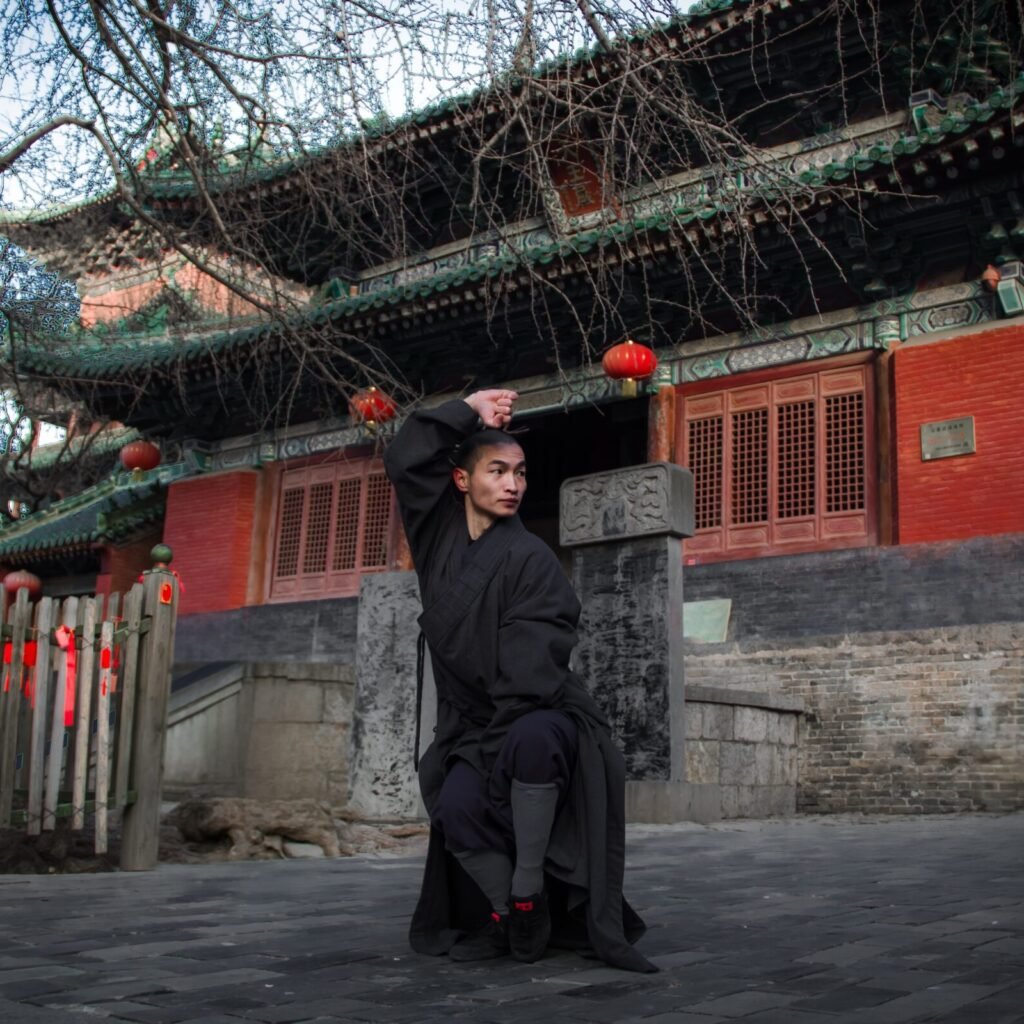
Da Hong Quan means “Great Flood Fist”. Although its name is similar to Xiao Hong Quan (Small Flood Fist), the two differ significantly in style, movement characteristics, and combat application. While Xiao Hong Quan is known for its flexibility, precision, and emphasis on technical skill, Da Hong Quan is renowned for its powerful and forceful execution, with simple but effective movements, and strong practicality. It focuses on the coordinated use of overall body strength and is especially practical in combat situations.
Er Lu Da Hong Quan
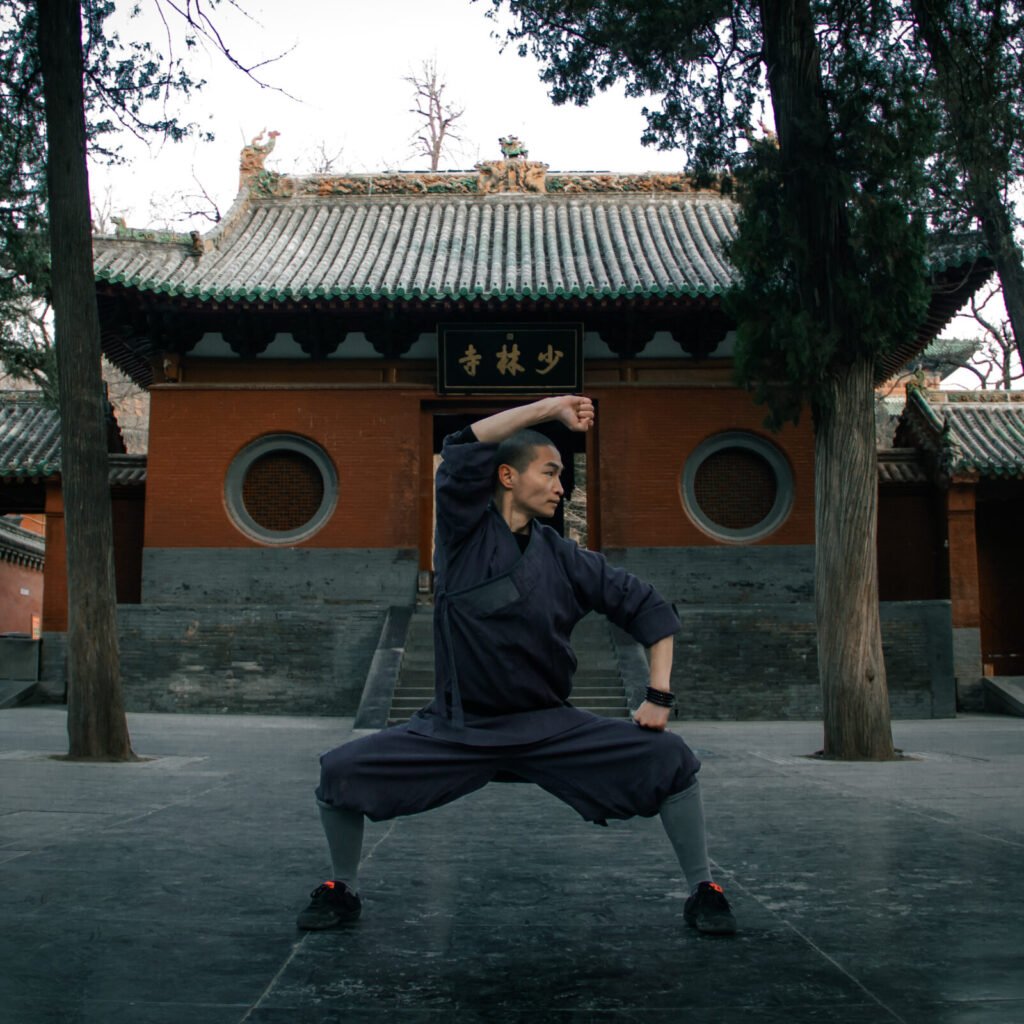
Er Lu Da Hong Quan (Second form of Great Flood Fist) is one of the key forms within the Da Hong Quan system. It was developed based on the first form of Da Hong Quan, placing great emphasis on variations in body movement, footwork, and the integration of offense and defense, making it even more combat-oriented. Er Lu Da Hong Quan not only keeps the powerful characteristics of the first form but also incorporates greater flexibility and practicality for real combat situations.
San Lu Da Hong Quan
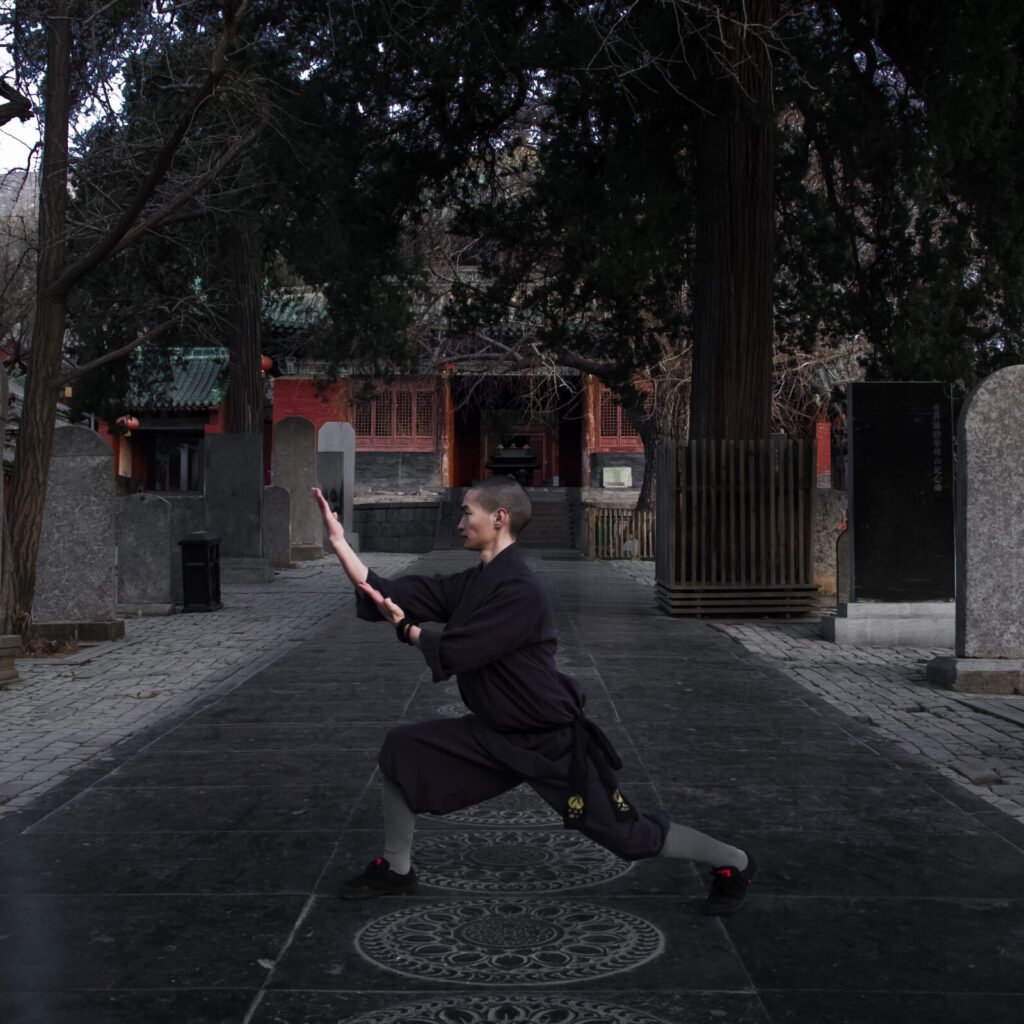
San Lu Da Hong Quan (Third form of Great Flood Fist) represents an advanced form within the Da Hong Quan system. It incorporates the essence of both the first and second form of the Da Hong Quan forms. Its footwork is deep and stable — as steady as a mountain — yet when strikes are executed, they are as fast, fierce and wild as a tiger’s attack. The fists strike like hammers, and the palms cut like sharp blades. The movements are flowing, with each technique containing both offensive and defensive elements. When mastered at the highest level, the practitioner achieves perfect unity between body and mind which in turn connects mind and power — reaching the following state: “when the fist moves, the intent (mind) moves; when the intent moves, the power follows.”
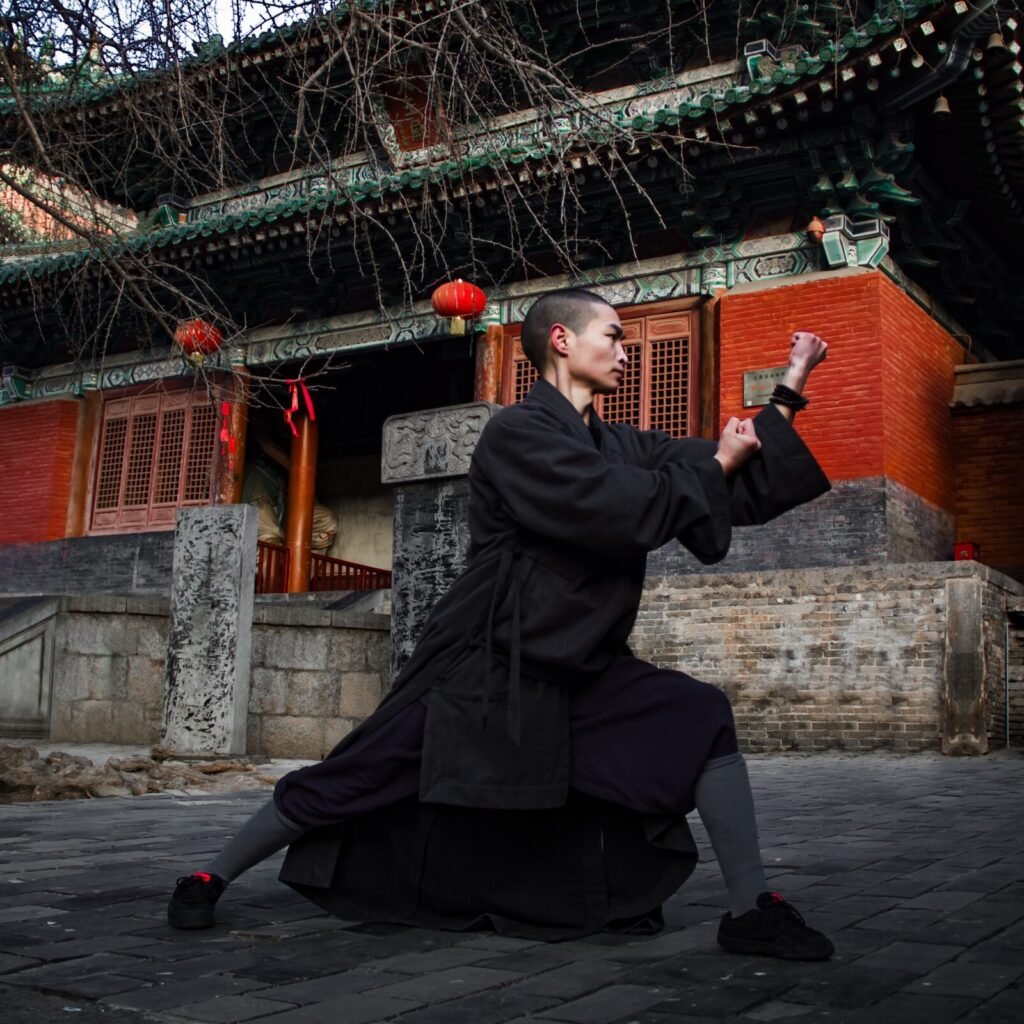
Liu He Quan
Liu He Quan (Six Harmonies Fist) is one of the classic forms within the Shaolin form system, centered around the concept of the “Six Harmonies” which states that the six elements of the body are in harmony. These harmonies are: the coordination of hands and feet, elbows and knees, shoulders and hips, and the unity of heart and mind, mind and Qi, Qi and strength.
This ensures that the body’s energy and power coordinate in a hamonious and flowing way. The form emphasizes both internal and external cultivation, striving for harmony between the two. Its unique “Six Harmonies” principle enables practitioners to fully develop body coordination and explosive power and to improve both defensive and counterattacking capabilities.
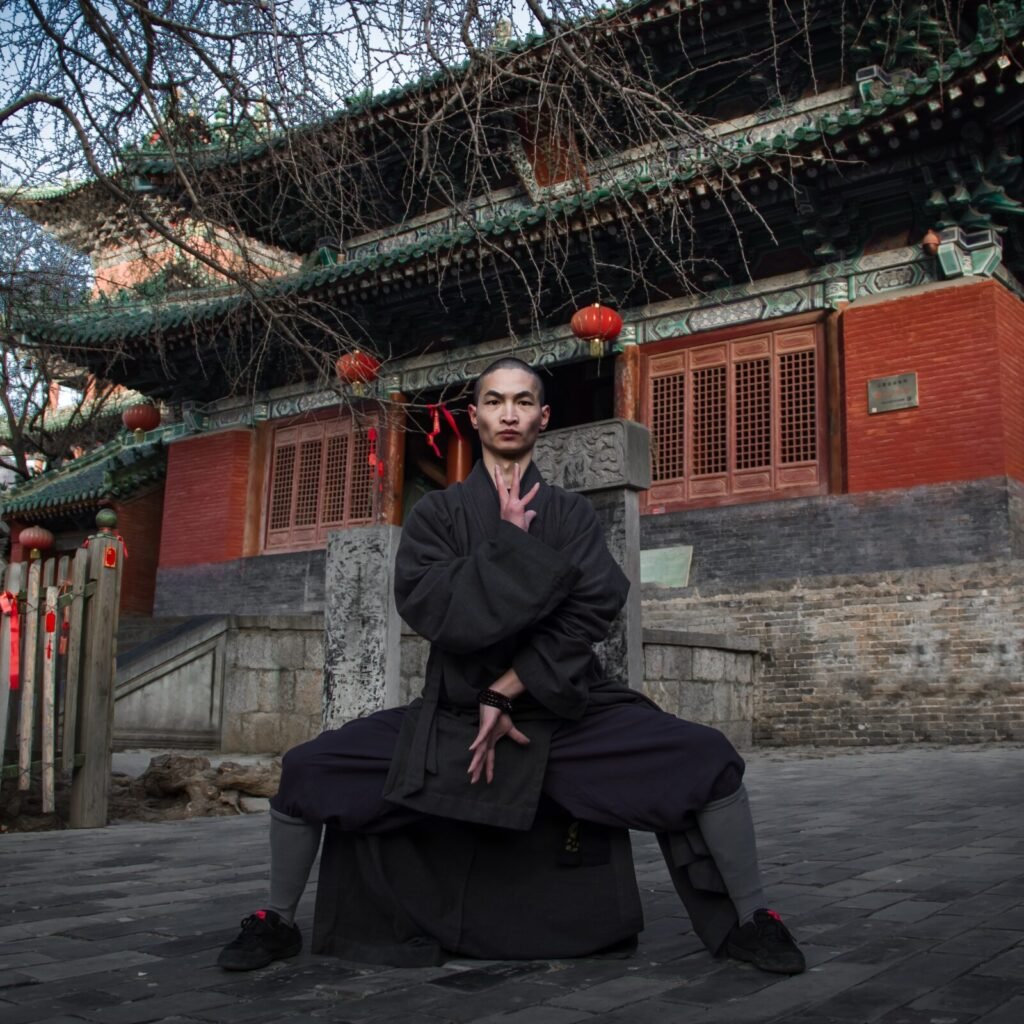
Qi Xing Quan
Qi Xing Quan (Seven Star Fist) is also one of the classic forms of the Shaolin form system. Named after the Big Dipper (Seven Stars), its structure and precision of techniques are said to be as exact and interconnected as the constellation itself. The form primarily focuses on short-range strikes, control techniques, rapid attacks, and close-contact throws. With its distinctive seven-star footwork and integrated offense-defense system, Qi Xing Quan is regarded as one of the most practical and valuable forms within Shaolin Kung Fu.
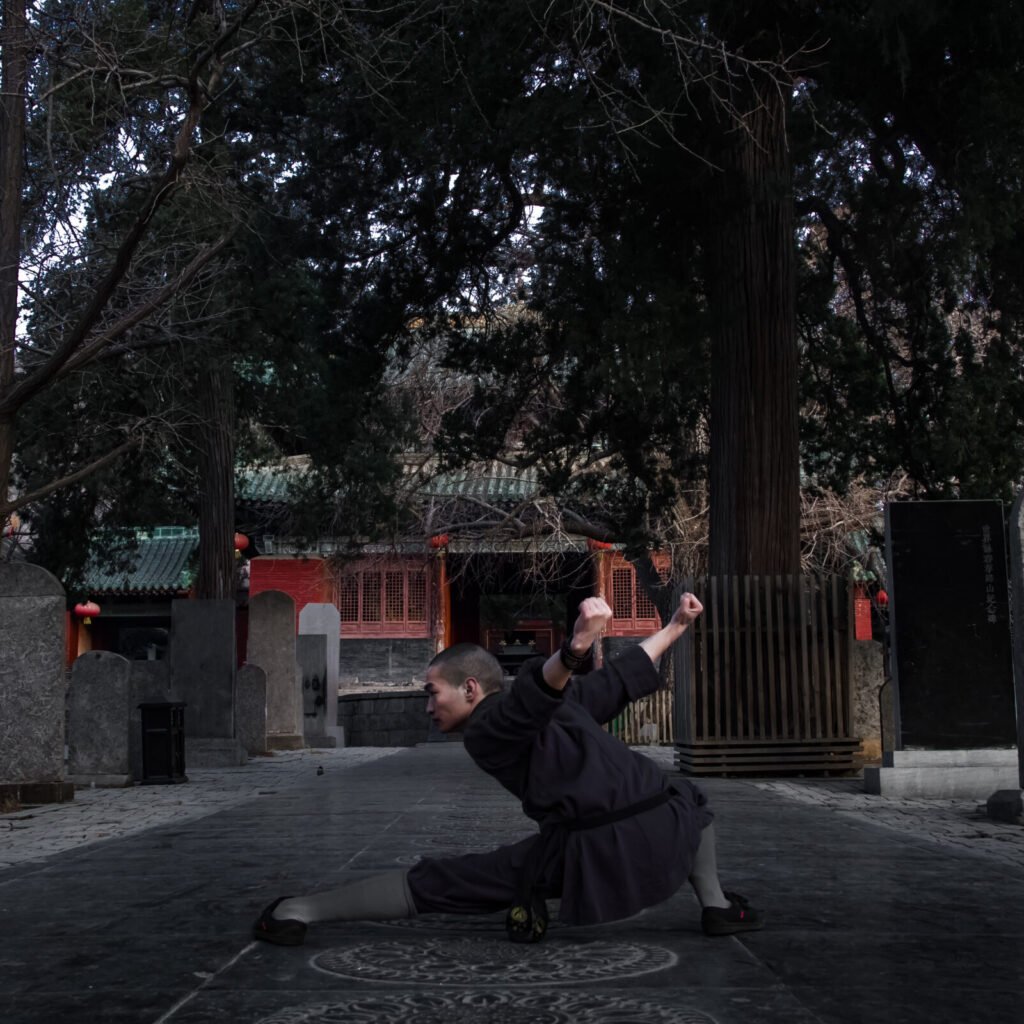
Xiao Luohan Quan
Xiao Luohan Quan (Small Arhat Fist) was created by eminent Shaolin monks based on the image and movements of the Arhats, and carries a strong Buddhist cultural influence. The movements are compact and fast, with agile and varied techniques that emphasize using skill to overcome strength, and speed to achieve victory. The form symbolizes the wisdom and vigilance of the Arhats.
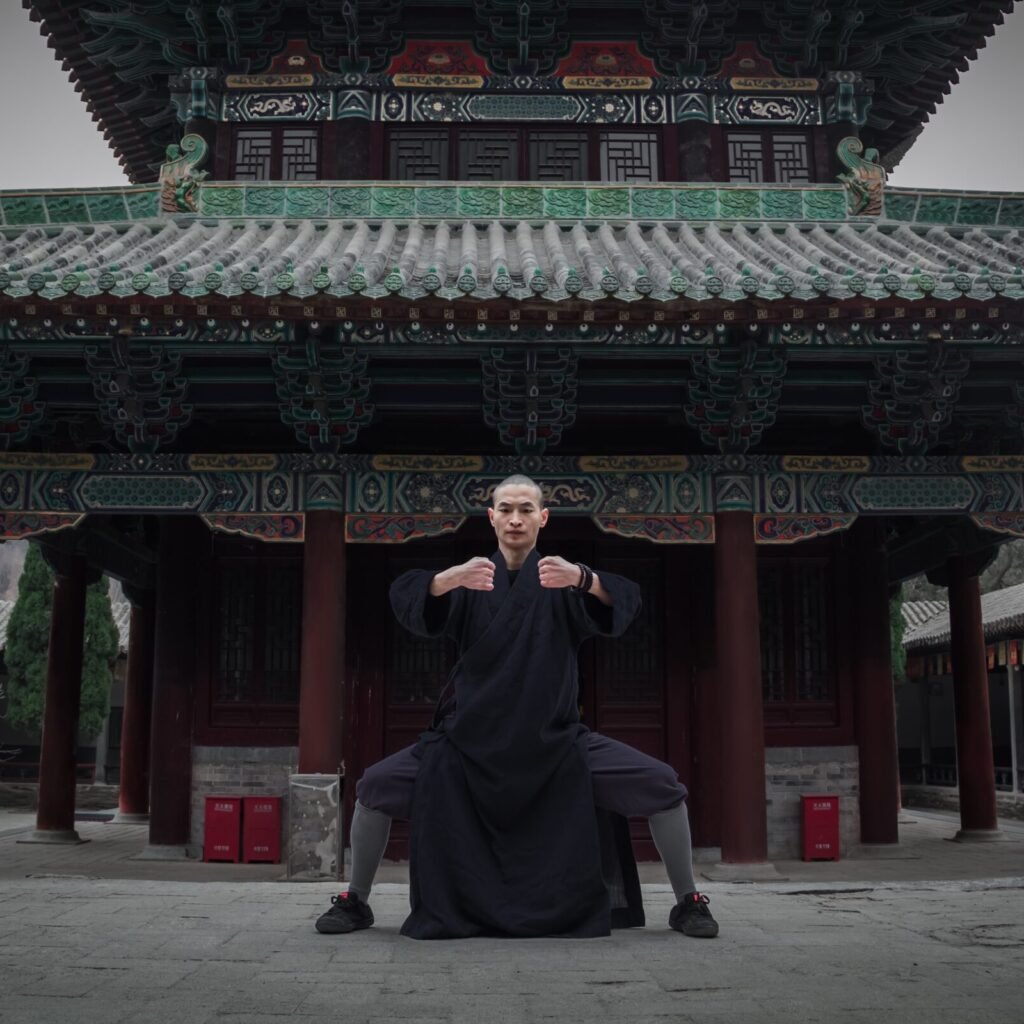
Da Luohan Quan
Da Luohan Quan (Great Arhat Fist) was also created by eminent Shaolin monks based on the image and movements of the Arhats. Its movements are powerful and forceful, embodying the Arhats’ courage and fearlessness. This form relies on overcoming strength with greater strength (hardness) and defeating opponents through power. Although Da Luohan Quan and Xiao Luohan Quan differ in movement style and training focus, both share the same core — the essence of the Arhats’ spirit.
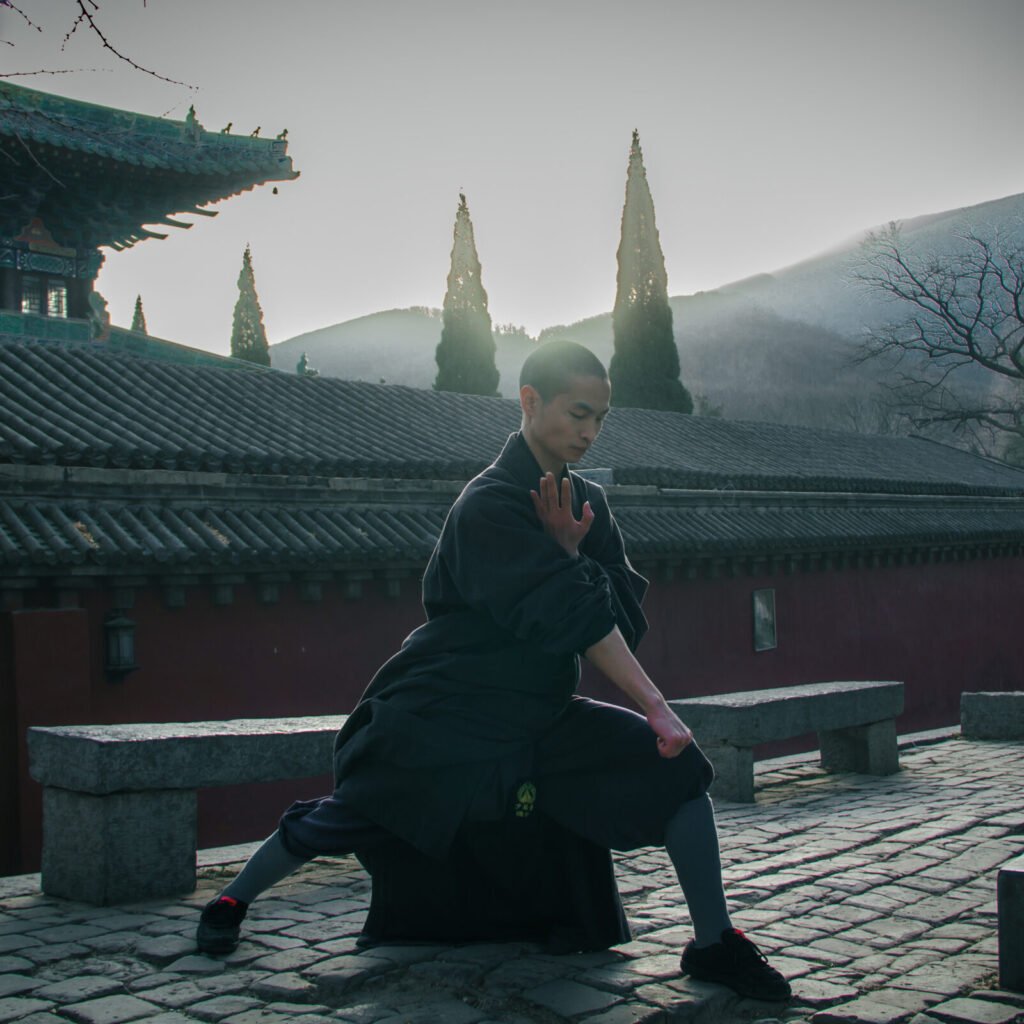
Changhu Xinyi Men
Chang Hu Xin Yi Men was created by Shaolin monks as a form to protect themselves from harm. The term “Chang Hu” means “long-term protection,” while “Xin Yi” emphasizes the unity of heart and mind. The movements focus primarily on defense, protecting the body’s vital areas. The form highlights the integration of mind and movement — following the principle: “when the heart moves, the intent moves; when the intent moves, the energy flows; when the energy flows, the power is released.” Its ultimate goal is the harmony and unity of body and mind.
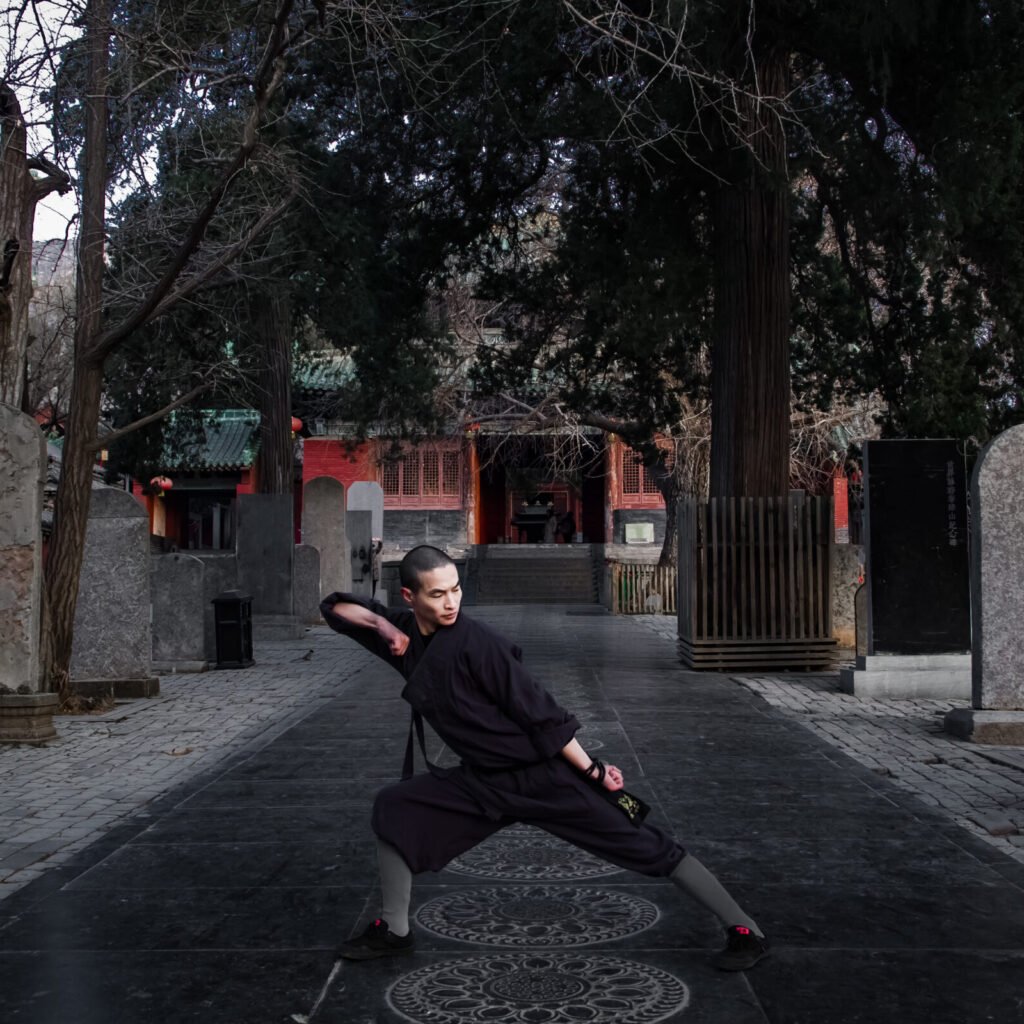
Taizu Chang Quan
Taizu Chang Quan (First emperor Taizu’s Long Fist) is an important component of Shaolin Kung Fu, with origins tracing back to the Song Dynasty. It was created by Zhao Kuangyin, founder of the Song-dynasty. He was not only the first emperor of the Song-dynasty but also a military general with extraordinary martial art skills.
During his long military career, he combined his combat experience to develop this form, which was used to train soldiers and enhance their fighting capabilities. The form was later introduced to the Shaolin Temple, where Shaolin monks integrated it with Shaolin Kung Fu and Chan (Zen) meditation, forming the distinctive Shaolin Taizu Chang Quan style. Its movements balance hardness and softness, combining offense and defense. The form emphasizes not only external strength and technique but also internal breath and cultivation of the mind. The movements are synchronized with the breath focussing on “strength through breathing (Qi)” which embodies the Shaolin principle of cultivating body and mind.
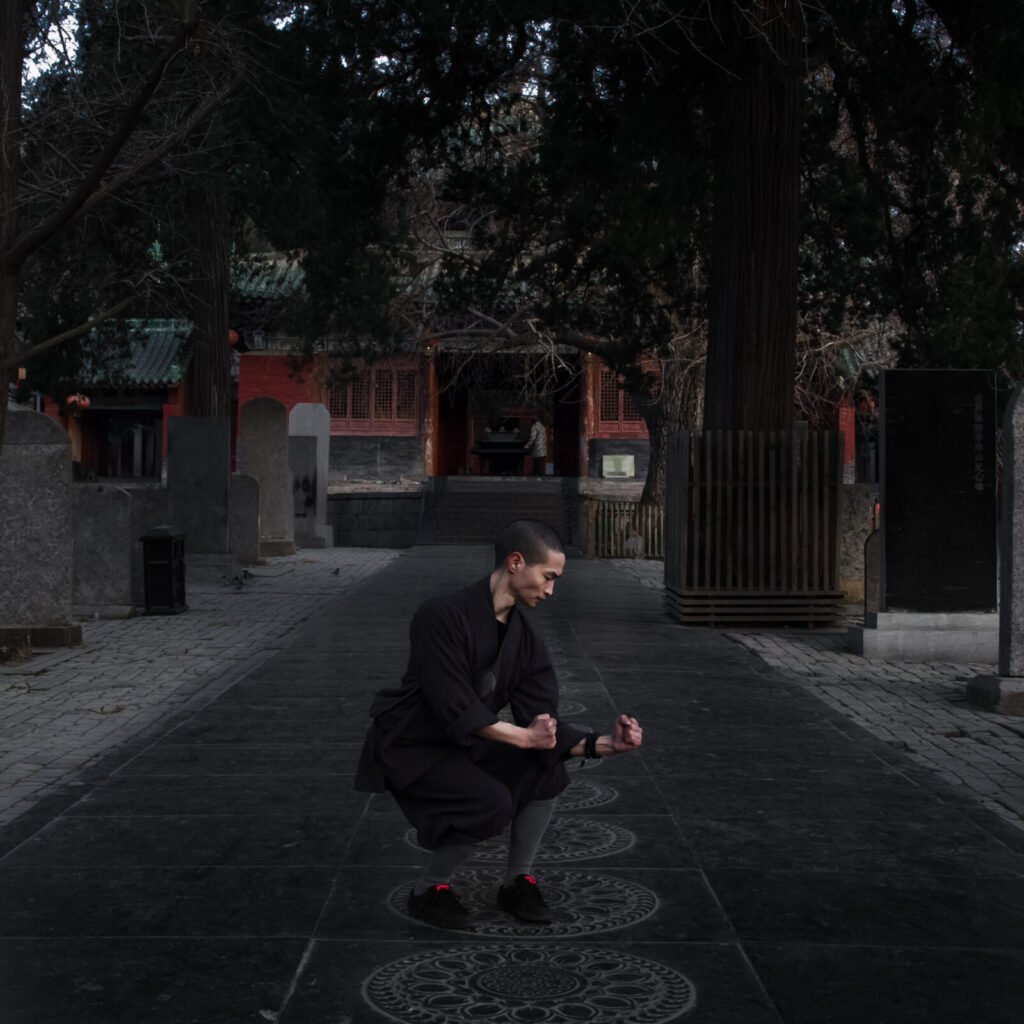
Xiao Pao Quan
Xiao Pao Quan (Small Cannon Fist) was created by Shaolin monks based on real combat experience. The word “Xiao” (small) refers to the compact, concise, and fast movements of the form, while “Pao” (cannon) describes its explosive power which reminds of strikes that burst forth like cannon fire.
This form focuses on speed and explosive force. The principle of Xiao Pao Quan emphasizes that fast movements can overcome low attacks and that hardness can win over softness.
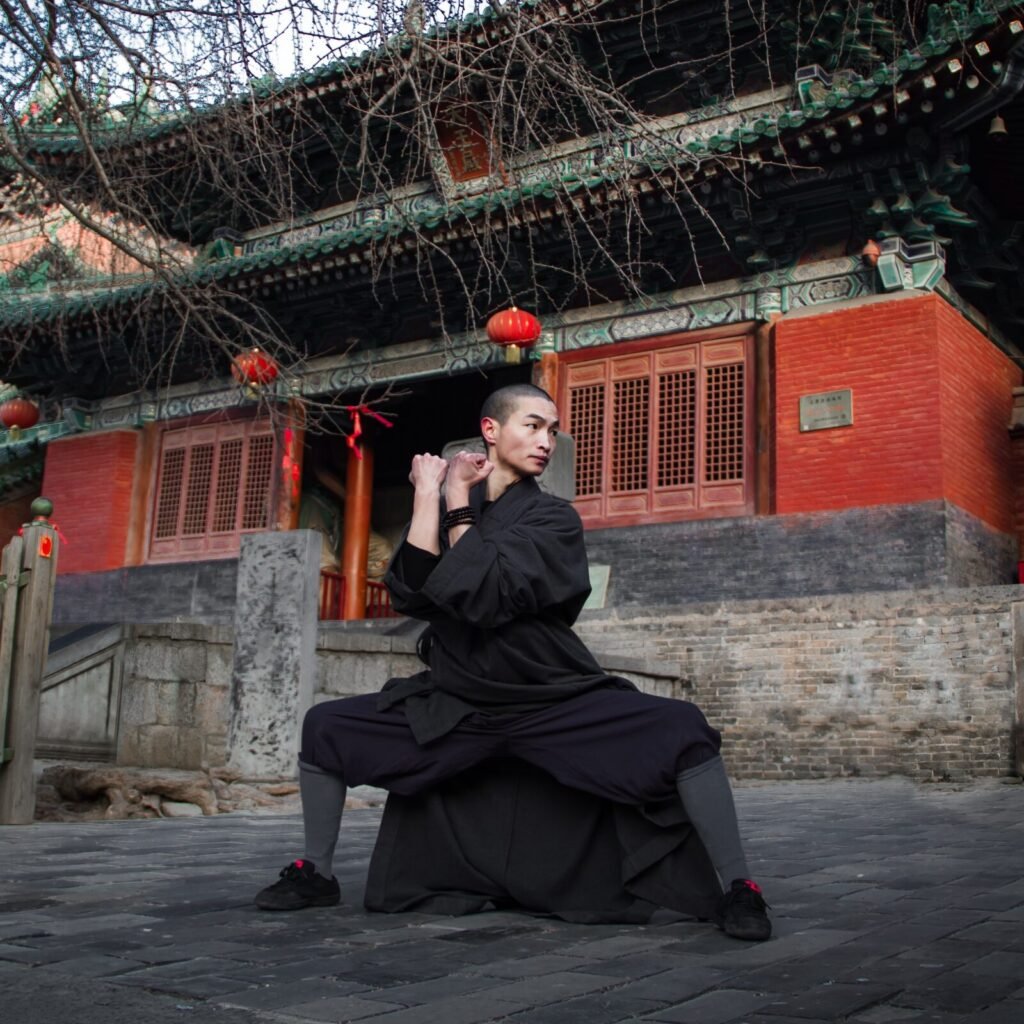
Da Pao Quan
Da Pao Quan (Great Cannon Fist), like Xiao Pao Quan, was created by Shaolin monks based on real combat experience. “Da Pao” means “big cannon”, which describes the powerful and explosive nature of this form. The movements of Da Pao Quan are large and expansive, emphasizing the use of wide and flowing techniques. It focuses on using the overall body strength and is especially suited for medium- to long-range offense and defense. The form follows the principle of “using strength (hardness) to overcome strength” and “power breaking through power,” meaning the strength of the attacker is defeated by your own strength.
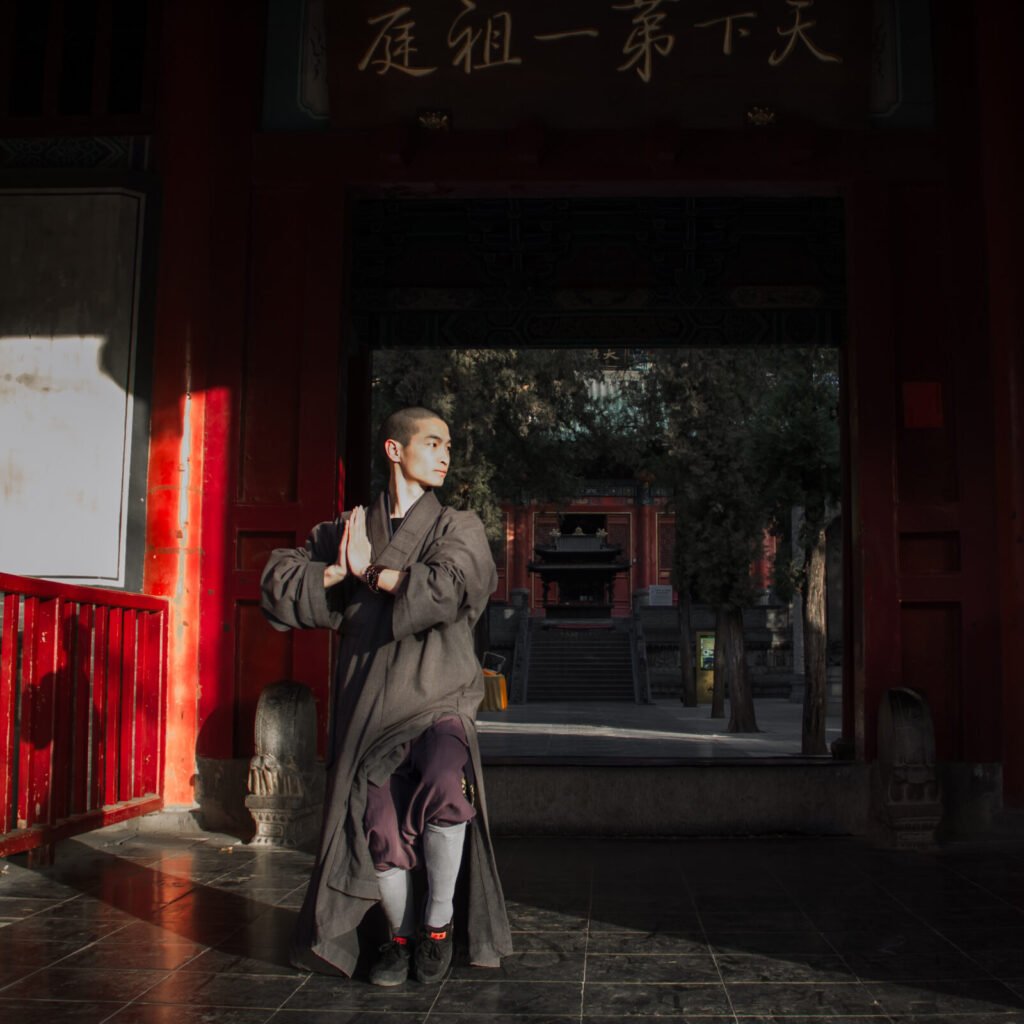
Chao Yang Quan
Chao Yang Quan, meaning “Rising Sun Fist”, is named after its movements, which are wide, graceful, and strong — embodying the spirit and energy of the rising morning sun and symbolizing vitality and energy. The form places great emphasis on the coordination of hand techniques, eye focus, body movements, and footwork. It also incorporates the principle of “using softness to overcome hardness” and “stillness to control motion.” Chao Yang Quan is not only effective for combat practice but also improves physical health and mental development.
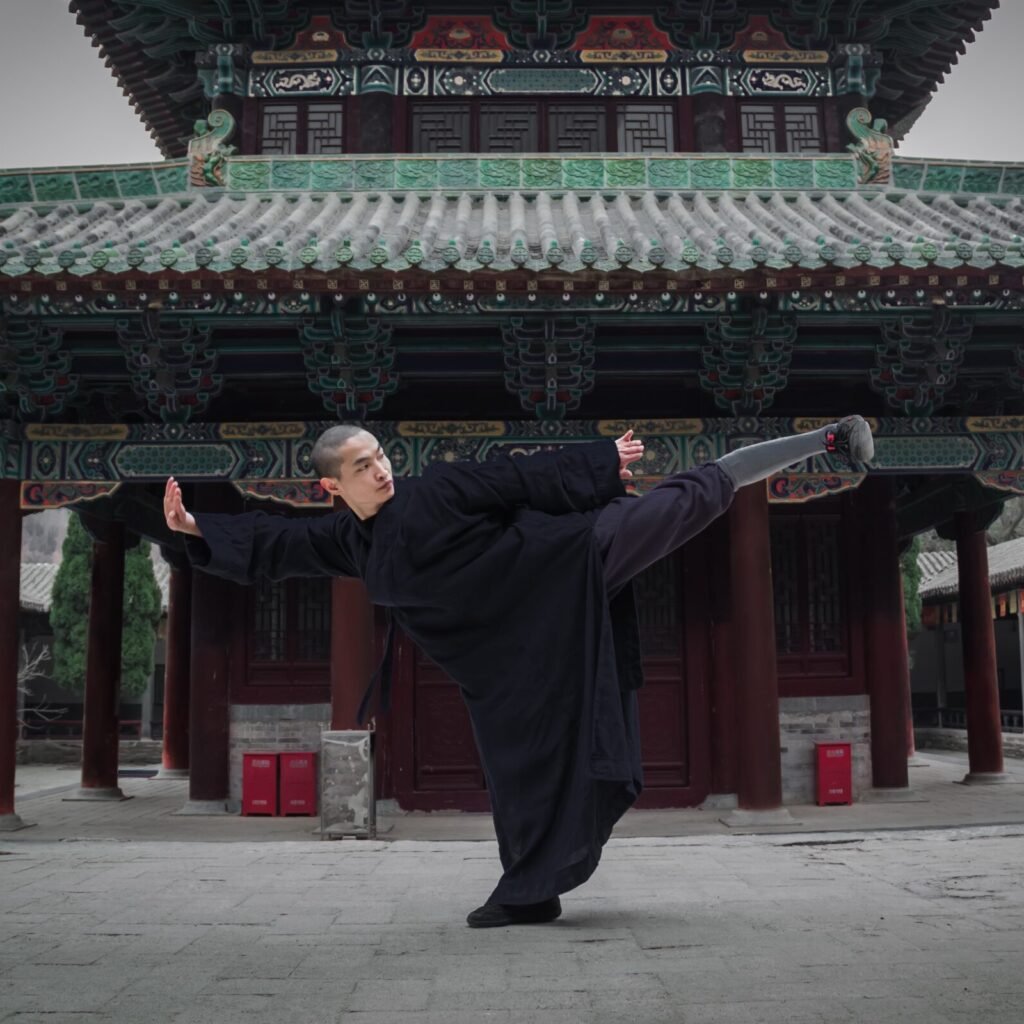
Shi Er Lu Tan Tui
Shi Er Lu Tan Tui (Twelve routes of the kicking leg) is a traditional kicking form in Shaolin Kung Fu, famous for its fast and fierce leg techniques, agile and versatile footwork, and the coordinated defensive use of the hands. It inherits the core features of traditional Shaolin Kung Fu and emphasizes the principle: “The hands are like two gates which fully rely on the legs to defeat the opponent.” This metaphor means that the hands serve as gates that lead, control and support both defense and attack, while in practice, the legs are the most powerful and decisive weapons. The leg muscles have greater force and the kicking techniques a wider attack range which produces a strong impact force. Shi Er Lu Tan Tui consists of twelve connected techniques, each containing different applications. It is an essential part of training for Shaolin monks and Kung Fu enthusiasts.
Luohan Shi Ba Shou
Luohan Shi Ba Shou, or “Eighteen Hands of the Arhat,” was developed by Shaolin monks during their spiritual practice to strengthen both body and mind and to defend themselves against enemies. In doing so, they combined the Buddhist “Arhat spirit” with martial movements. Thus, eighteen powerful techniques were created, known for their simplicity, practicality, and impressive strength. This form is highly popular among practitioners of Shaolin Kung Fu.
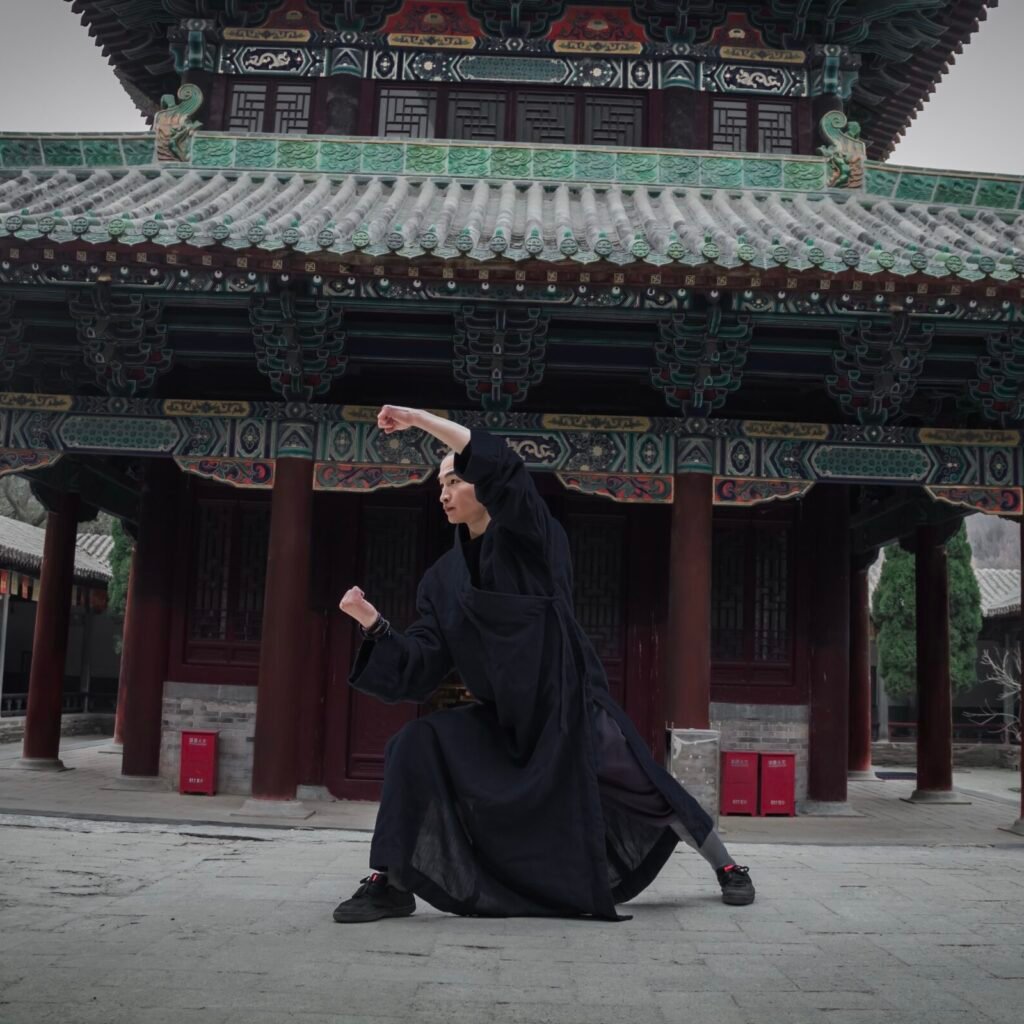
Da Meihua Quan
Shaolin Da Meihua Quan (Great Plum Blossom Fist) traces its origins back to the Ming Dynasty. It was created by Shaolin monks who combined the spirit and symbolism of the plum blossom with martial arts techniques. The plum blossom represents resilience and purity, qualities that this form embodies. Through generations of transmission and refinement by Shaolin monks, Da Meihua Quan gradually became one of the most important forms in Shaolin Kung Fu. Symbolizing the five petals of the plum blossom, it emphasizes “Five continuous movements or stances”: beginning with the starting stance to observe the opponent, transitioning to a offensive stance to launch an attack; if the opponent counterattacks, shifting into a defensive stance to gather strength; then using the transition stance to adjust position, and finally the stabilizing stance to establish a fixed strategy. Its movements combine hardness and softness, offer offense and defense techniques, and display both strong combat practicality and graceful aesthetics.
Do you have questions?
If you have any questions or want to book a lesson, feel free to contact me!
Do you have questions?
If you have any questions or want to book a lesson, feel free to contact me!